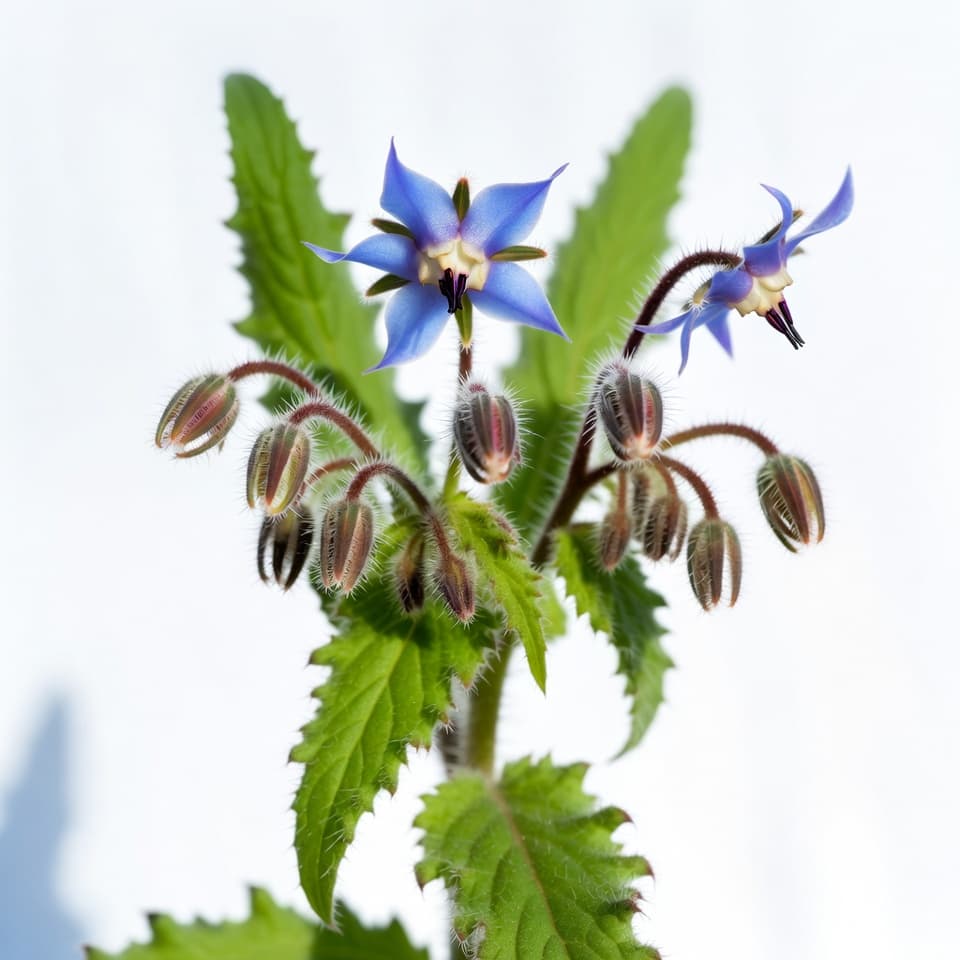
Transparency & Traceability

Our Ingredients

Every InVine Botanicals formulation starts with whole herbs, slow-infused over weeks — not quick essential oil dilutions. Here are the plants we work with and why we chose them.

Herbalist Formulated · 40+ Botanicals · 1 Florida Herb Garden

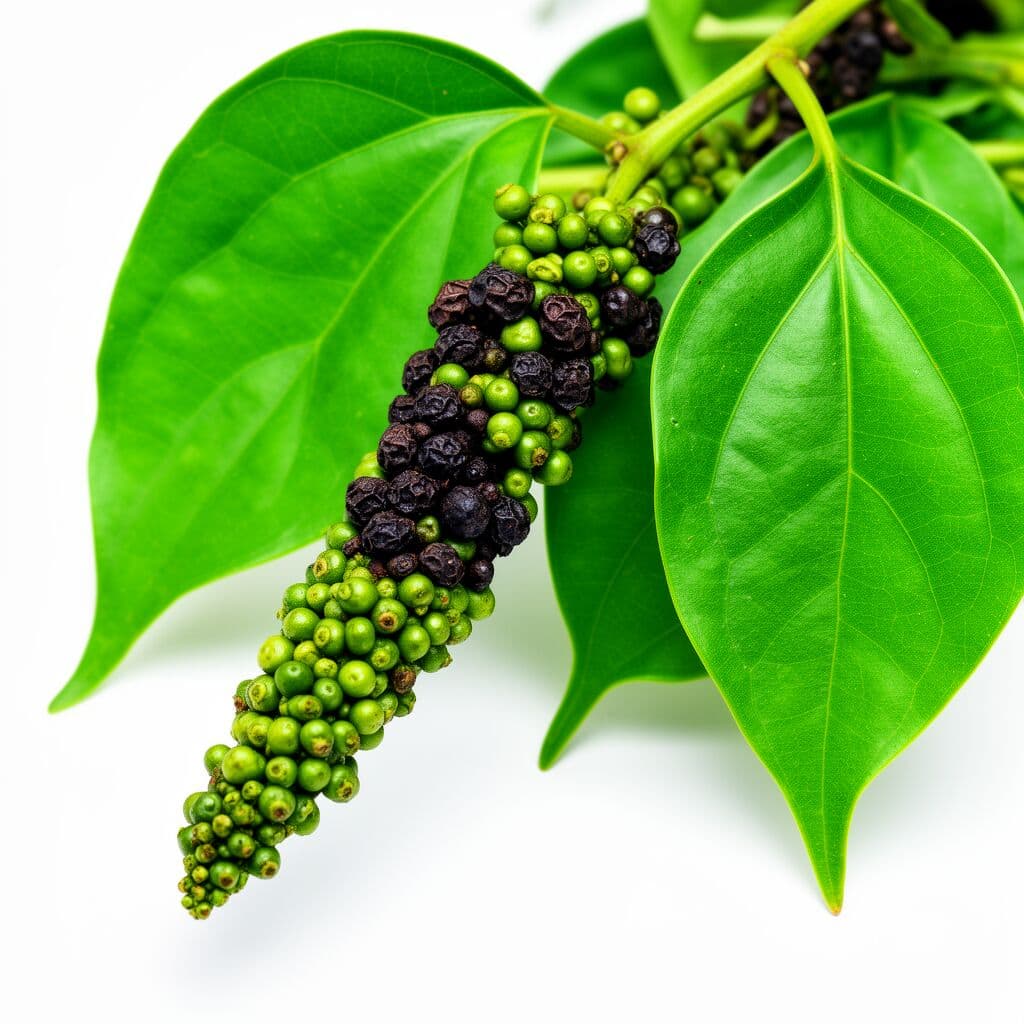
Whole black peppercorns in a pile showing their dark wrinkled surface

Black Pepper

Piper nigrum

Black pepper is the world's most traded spice and one of the most underappreciated medicinal herbs. Piperine, its primary alkaloid, has documented analgesic, anti-inflammatory, and circulatory-stimulating properties when applied topically. It also acts as a bioavailability enhancer — dramatically increasing the skin absorption of other botanical compounds, most notably curcumin from turmeric. In Muscle Revive Balm, black pepper functions simultaneously as a warming counter-irritant, an analgesic, and a synergist that amplifies the action of every other herb in the formula.

Key Properties

Bioavailability enhancer (piperine — amplifies curcumin absorption)Counter-irritant and warmingAnalgesicAnti-inflammatoryCirculatory stimulant

Traditional Uses

  • Circulatory stimulant and warming liniment
  • Joint stiffness and muscle pain
  • Enhancing absorption of co-administered herbs (Ayurvedic)
  • Digestive support (internal)

Black pepper was so valuable in medieval Europe that it was used as currency to pay rent, taxes, and even dowries — the term 'peppercorn rent' for a nominal payment survives in modern legal language from this era.

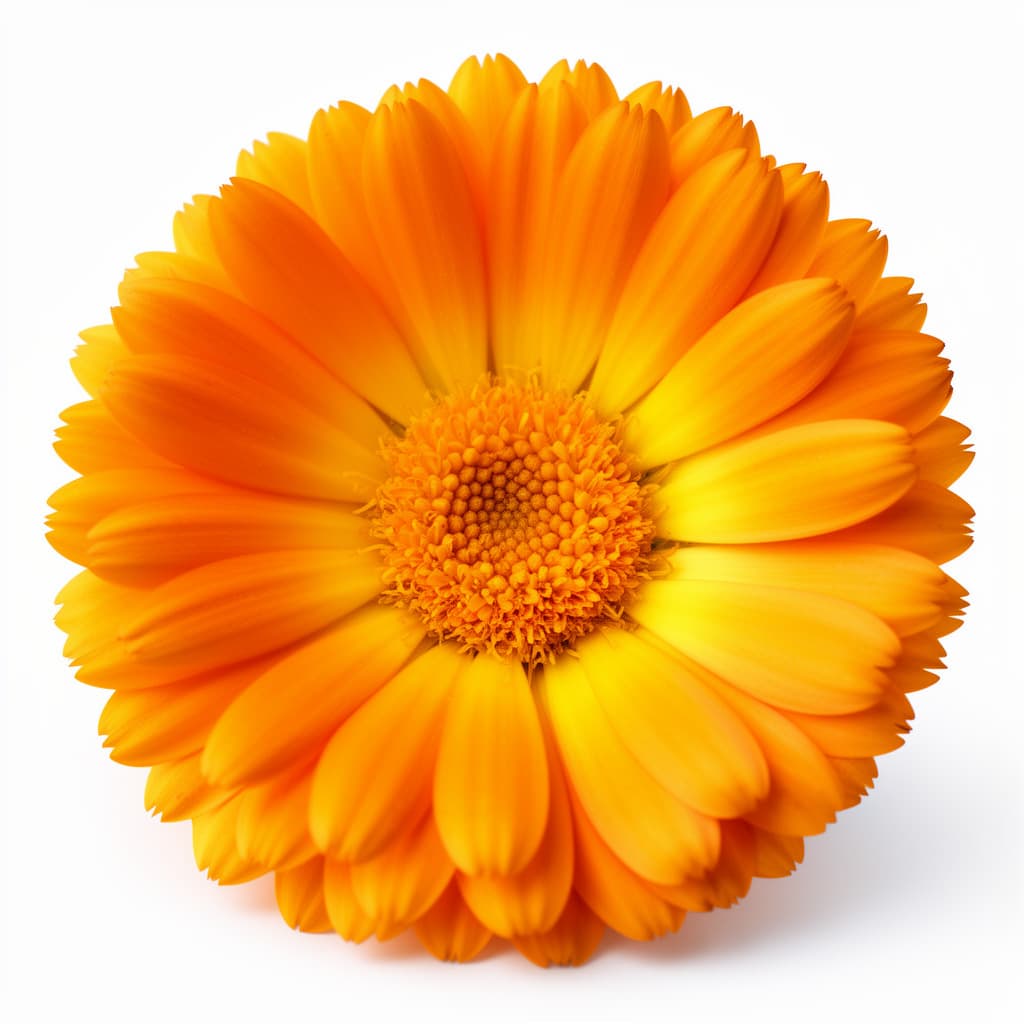
Bright orange calendula flowers in full bloom against green foliage

Calendula

Calendula officinalis

Calendula — commonly called pot marigold — is one of the most extensively studied and widely used herbs in botanical skincare, with a clinical record for topical use that spans more than five centuries of European herbal medicine. Its bright orange and yellow flowers are densely loaded with flavonoids (quercetin, isorhamnetin), triterpene saponins, and carotenoids that produce a powerful but gentle anti-inflammatory and skin-healing effect. Unlike many herbs that require high concentrations to be active, calendula is effective at modest amounts — and deeply compatible with all skin types, including the most sensitive.

Key Properties

Vulnerary (promotes wound healing)Anti-inflammatory (flavonoids, triterpenes)AntifungalEmollient and skin-softeningGentle — suitable for sensitive and reactive skin

Traditional Uses

  • Wound healing and scar reduction
  • Soothing eczema, dermatitis, and dry irritated skin
  • Topical antifungal for minor skin infections
  • Relief from sunburn and radiation-induced skin irritation

Calendula's name comes from the Latin 'calendae' — the first day of every month — because it was observed to bloom on or around the new moon each month. It was used in ancient Rome and medieval Europe not only as medicine but to dye fabrics, color butter and cheese, and as a substitute for the far more expensive saffron.

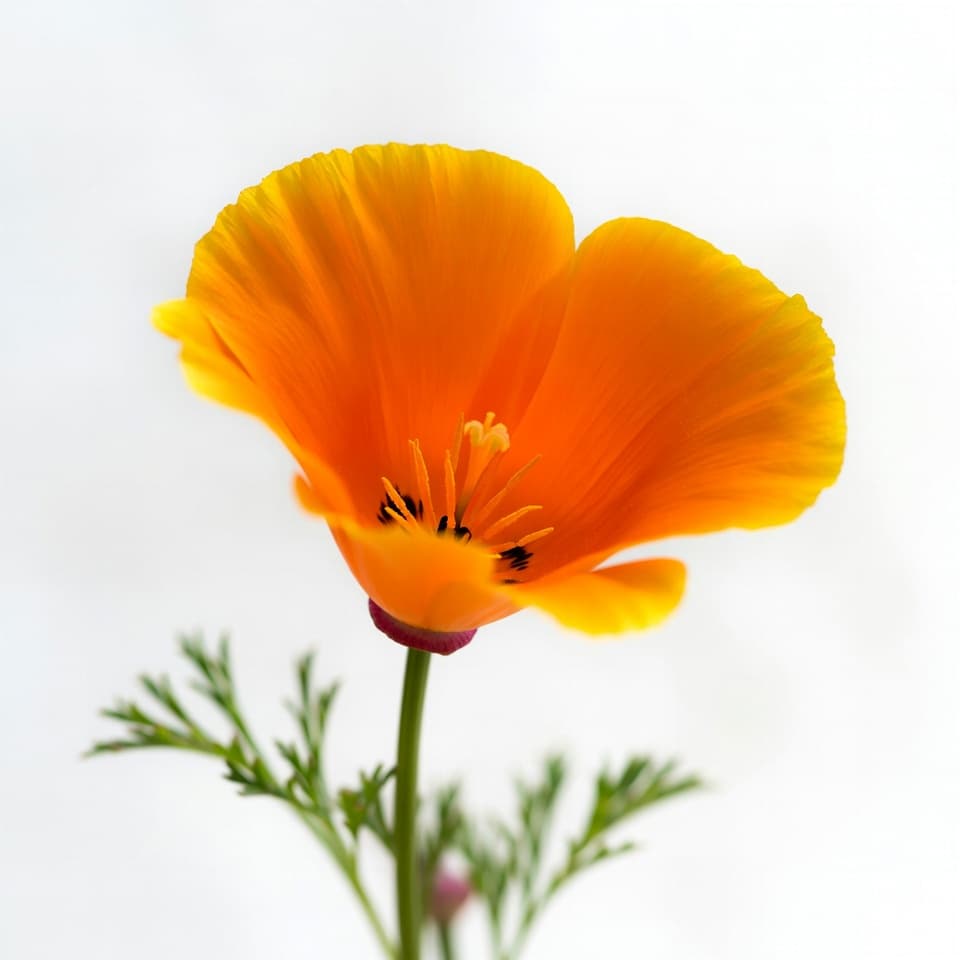
California poppy with vivid orange blooms and feathery blue-green foliage

California Poppy

Eschscholzia californica

California poppy is a gentle, non-narcotic member of the Papaveraceae family and the official state flower of California, beloved in western herbalism for its mild nervine and analgesic properties. Unlike its relative the opium poppy, Eschscholzia californica contains no opiates — its active compounds, primarily californidine and eschscholtzine, are alkaloids that interact with GABA receptors to produce mild relaxation, tension relief, and analgesic action. It has been used by indigenous California tribes for centuries as a pain herb and sleep aid.

Key Properties

Mild analgesicNervine relaxantAntispasmodicAnti-inflammatoryNon-narcotic sedative

Traditional Uses

  • Mild analgesic for tension headaches and nerve pain
  • Traditional sleep support and nervine relaxant
  • Topical pain relief in indigenous California traditions
  • Antispasmodic for muscle tension

Despite belonging to the Papaveraceae family, California poppy contains no opiates whatsoever. It is completely legal and safe — sharing only a family name, not chemistry, with its more notorious relatives.

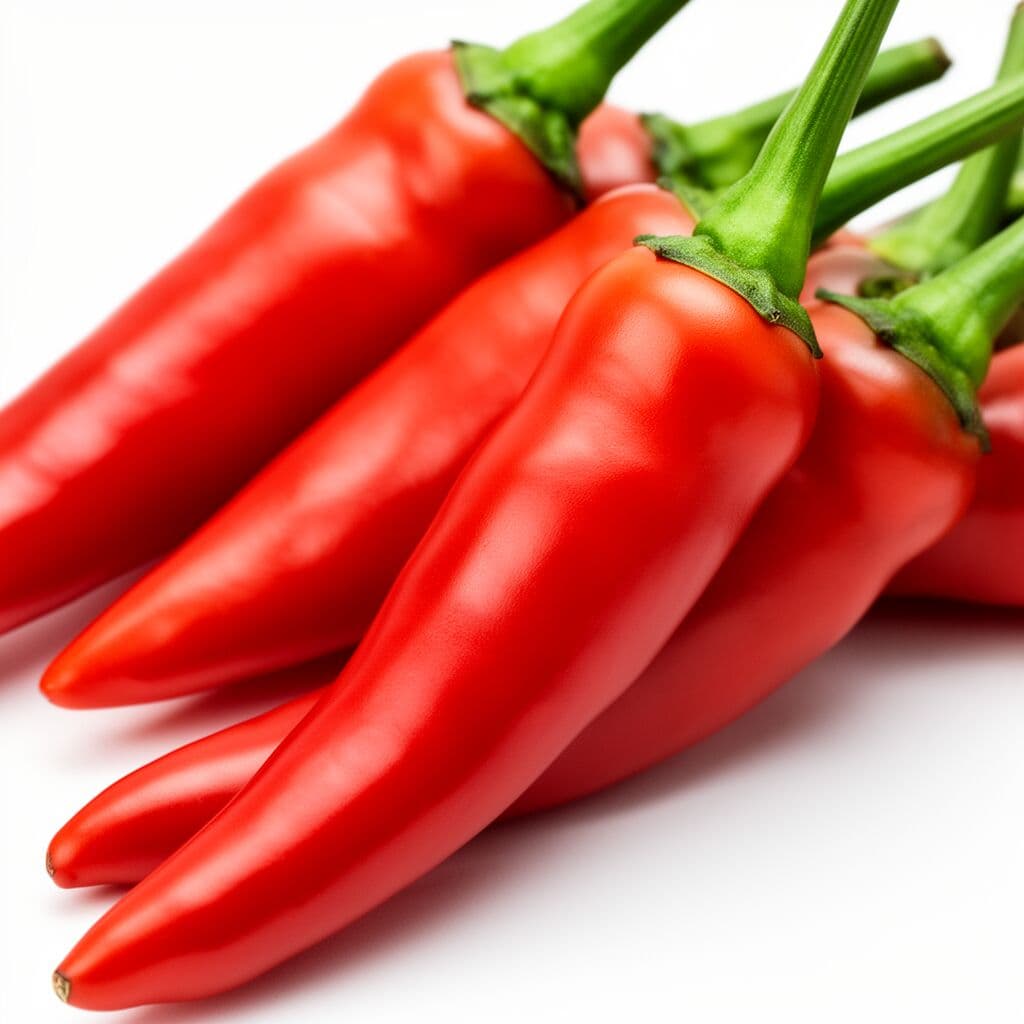
Dried red cayenne peppers with vivid color and textured skin

Cayenne

Capsicum annuum

Cayenne is the botanical source of capsaicin, one of the most well-documented topical analgesics in Western medicine — the active ingredient in several FDA-approved pharmaceutical pain patches. Capsaicin initially binds to TRPV1 heat receptors in the skin, creating the familiar burning warmth. With continued exposure it depletes substance P — a key neurotransmitter in pain signaling — providing sustained relief from deep musculoskeletal ache. The warmth it generates also increases local circulation, bringing fresh blood flow to tight or recovering muscle tissue.

Key Properties

Counter-irritant and warming (capsaicin — TRPV1 activation)Analgesic (substance P depletion with repeated use)Circulatory stimulantAnti-inflammatory (at lower concentrations)

Traditional Uses

  • Topical warming for deep muscle and joint pain
  • Relief from arthritis and rheumatic pain
  • Neuralgia and nerve pain (topical)
  • Circulatory stimulant

Capsaicin-based pharmaceutical patches (like Qutenza, used for neuropathic pain) contain up to 8% capsaicin. Topical herbal preparations using whole-herb infusion deliver a much gentler, sustained version of the same analgesic mechanism.

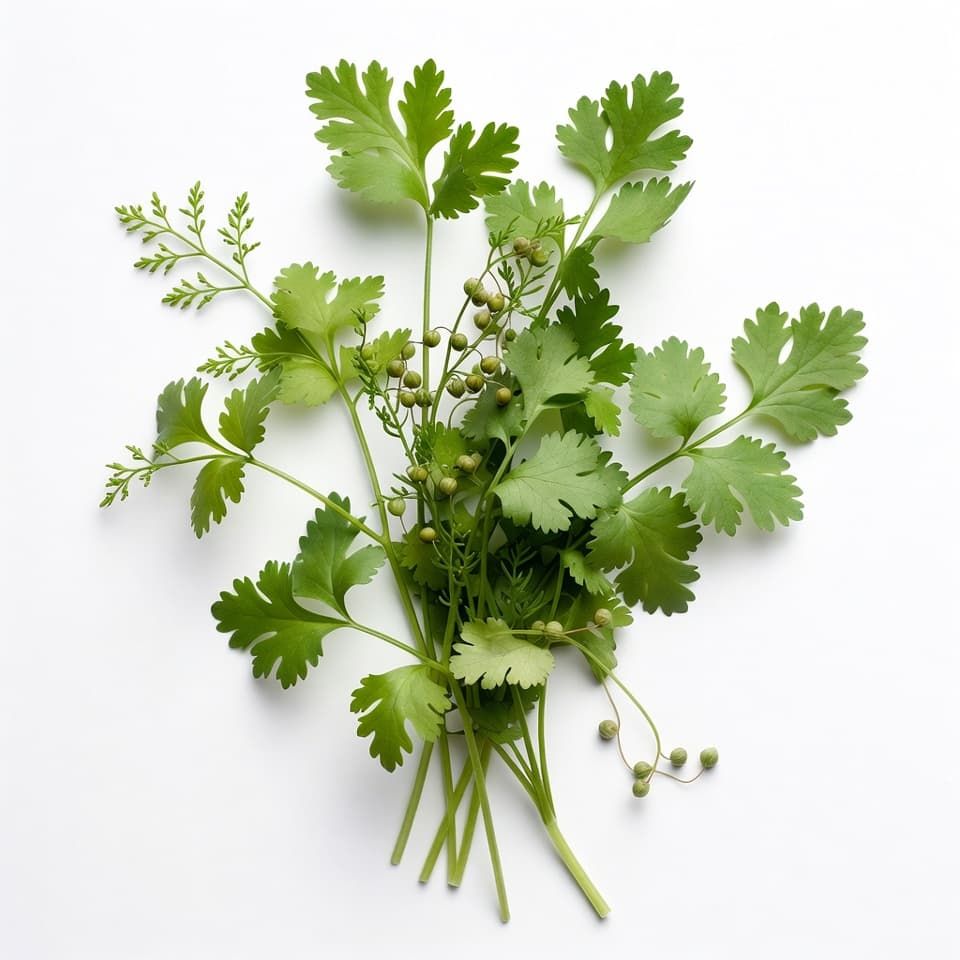
Fresh cilantro with delicate bright green feathery leaves

Cilantro

Coriandrum sativum

Cilantro is the leafy herb form of the coriander plant, a member of the Apiaceae family with a history of culinary and medicinal use spanning thousands of years across Asia, the Middle East, and Latin America. The leaves are rich in flavonoids, linalool, and camphor — compounds with documented antimicrobial, anti-inflammatory, and antioxidant action. In InVine's Florida garden, cilantro grows as a cool-season crop during the winter months, thriving in Tallahassee's mild winters when summer herbs go dormant.

Key Properties

Anti-inflammatoryAntimicrobialAntioxidantSkin-soothingAromatic

Traditional Uses

  • Traditional digestive herb across many cultures
  • Antimicrobial applications in Ayurvedic medicine
  • Topical anti-inflammatory in traditional Mexican herbalism
  • Antioxidant skin support

Cilantro is one of the few herbs documented in ancient Egyptian, Sanskrit, and Hebrew texts — it appears in the Ebers Papyrus (c. 1550 BCE) as both a medicinal and culinary plant.

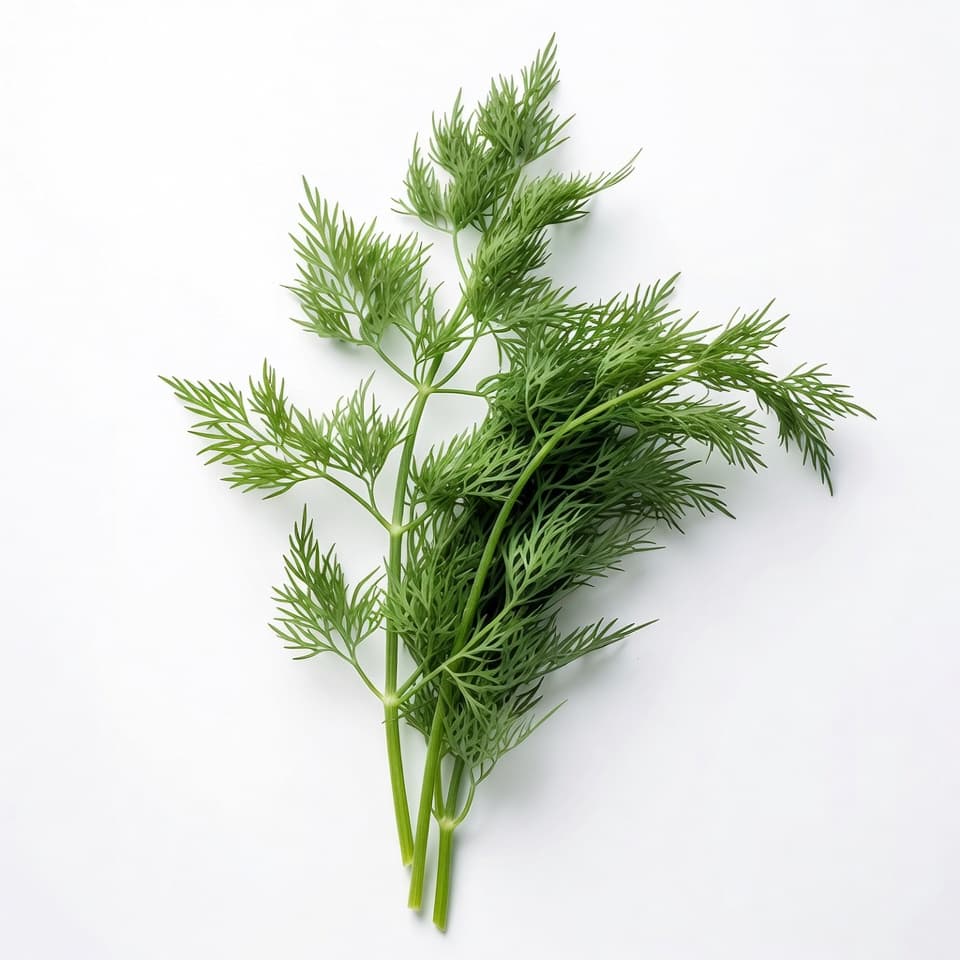
Dill plant with delicate feathery green fronds

Dill

Anethum graveolens

Dill is a tall, feathery annual in the Apiaceae family with a history of medicinal use stretching back to ancient Egypt, Greece, and Rome. Its primary active compounds — carvone, limonene, and anethofuran — are found in both the leaves and seeds and carry documented anti-inflammatory, antimicrobial, and antispasmodic properties. In InVine's Florida garden, dill performs best in the cooler winter months before bolting in summer heat.

Key Properties

Anti-inflammatoryAntimicrobialAntispasmodicAntioxidantCarminative

Traditional Uses

  • Topical anti-inflammatory in traditional European herbalism
  • Antimicrobial wound and skin care
  • Traditional carminative and digestive herb worldwide
  • Antispasmodic for muscle tension

The word 'dill' comes from the Old Norse 'dilla,' meaning to lull or soothe — a reference to its ancient use as a calming herb for restless infants and upset stomachs.

Page 1 of 6

From Garden to Jar

How We Source

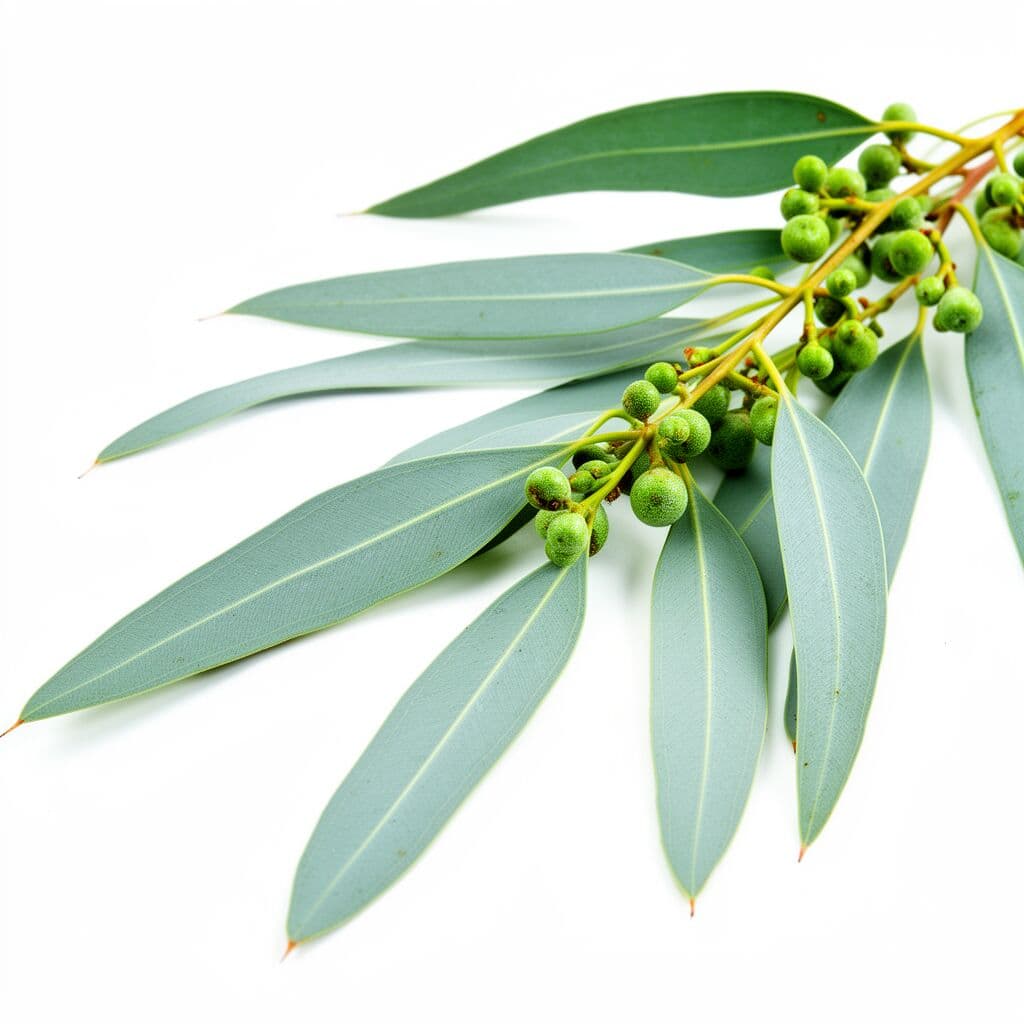
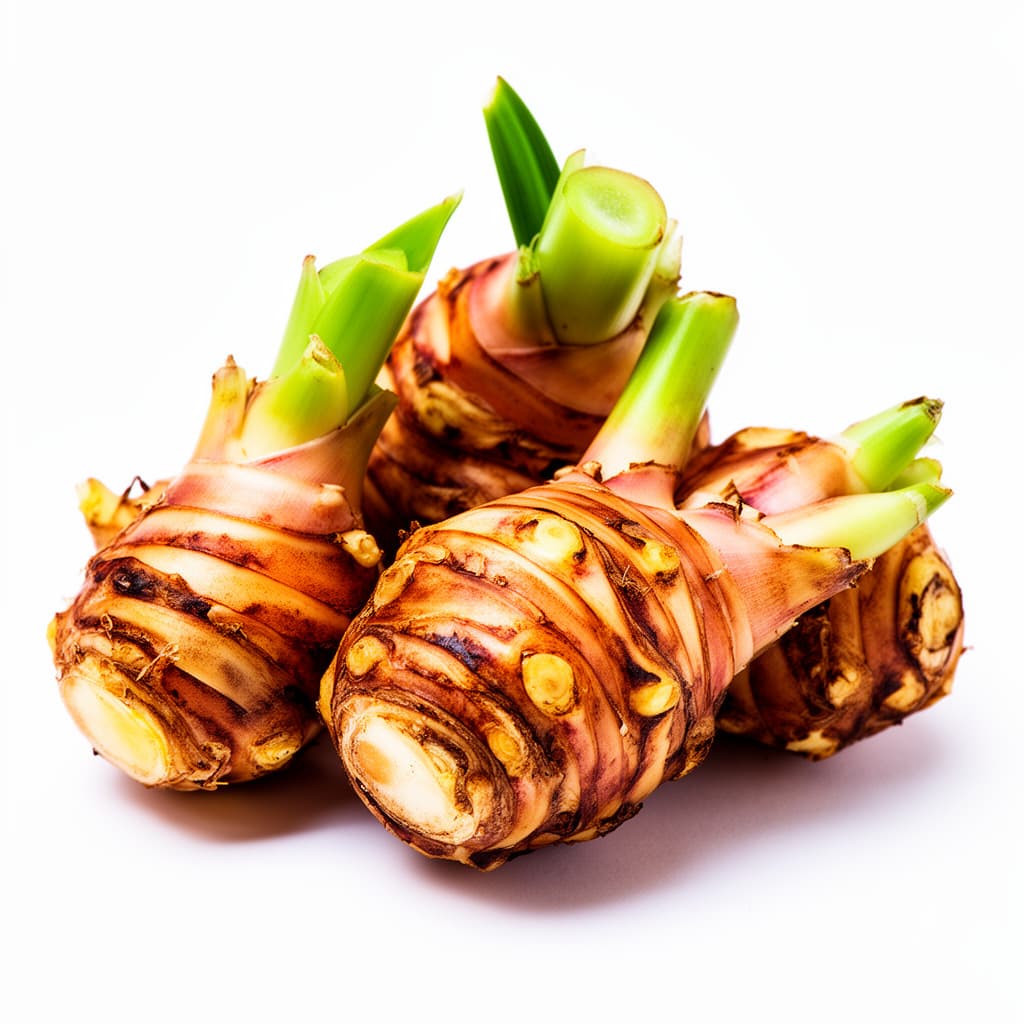
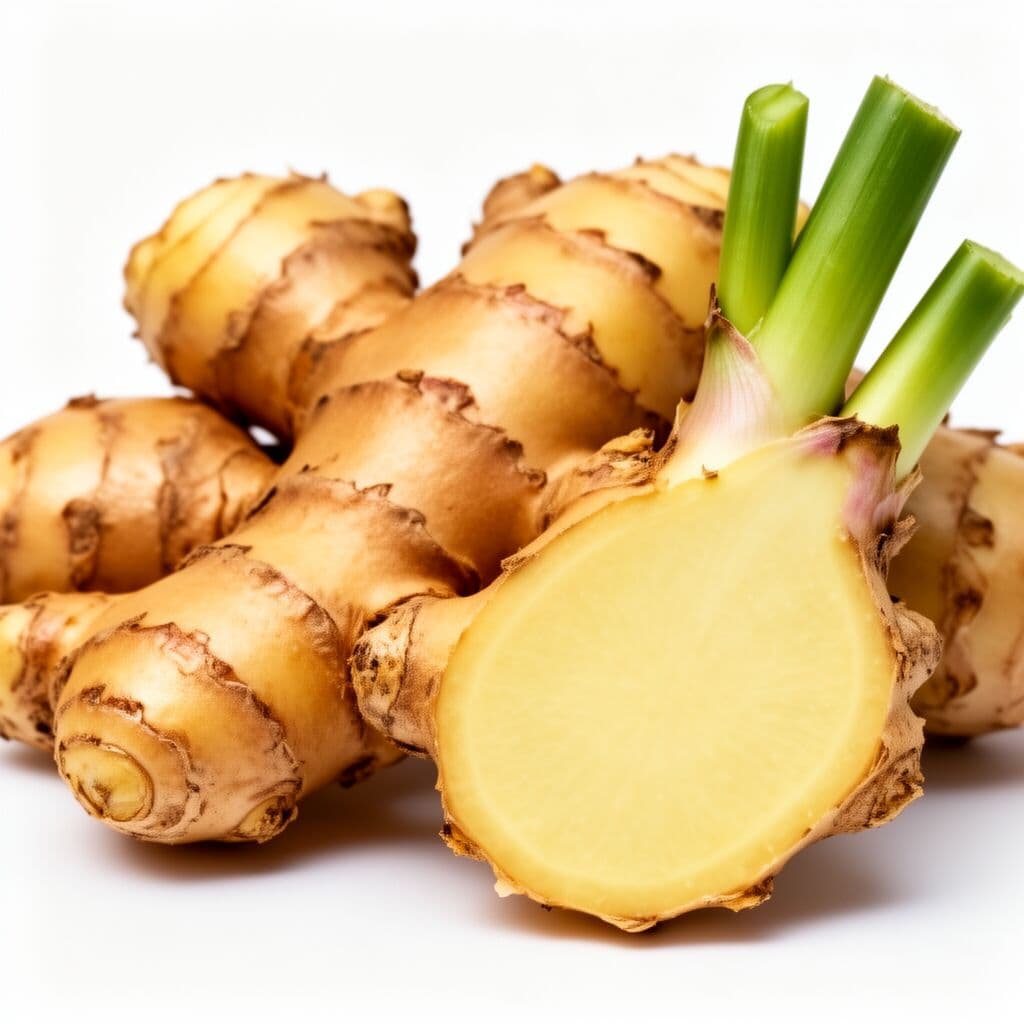
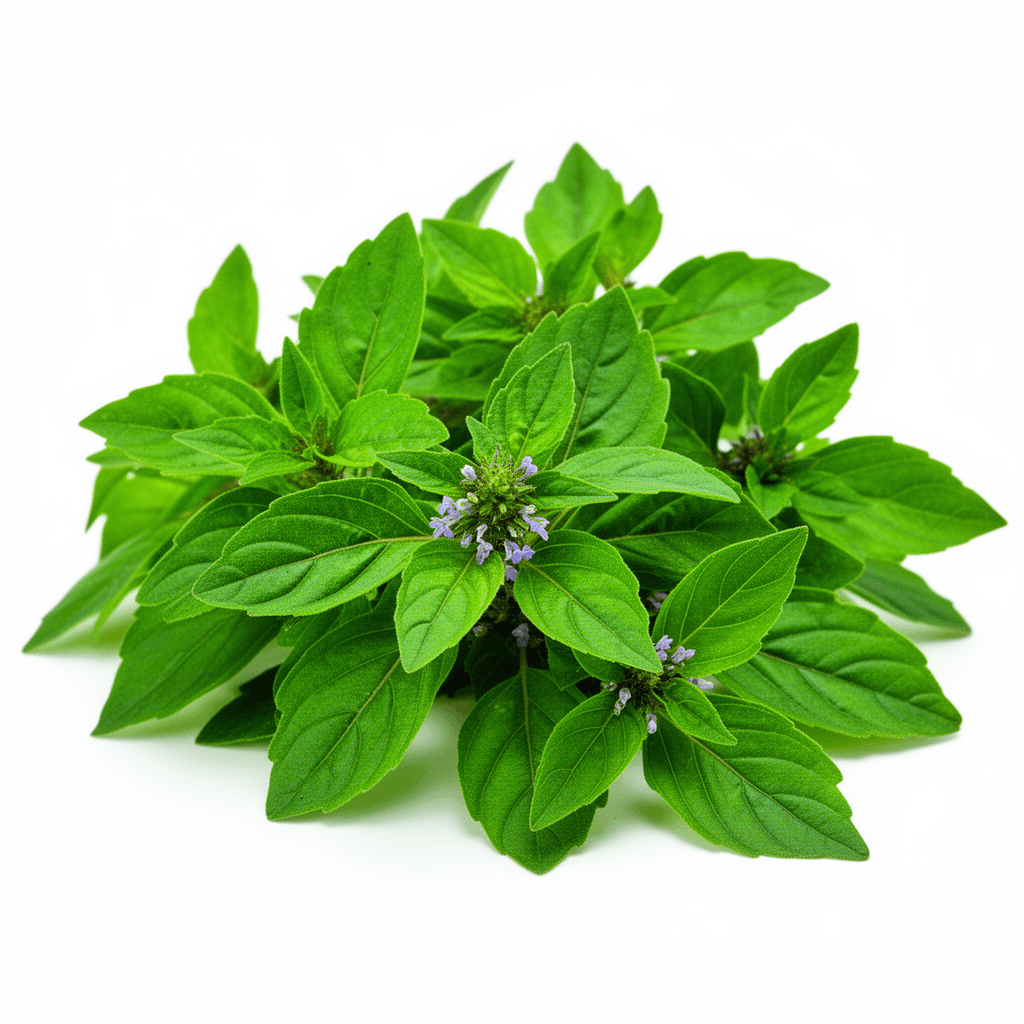
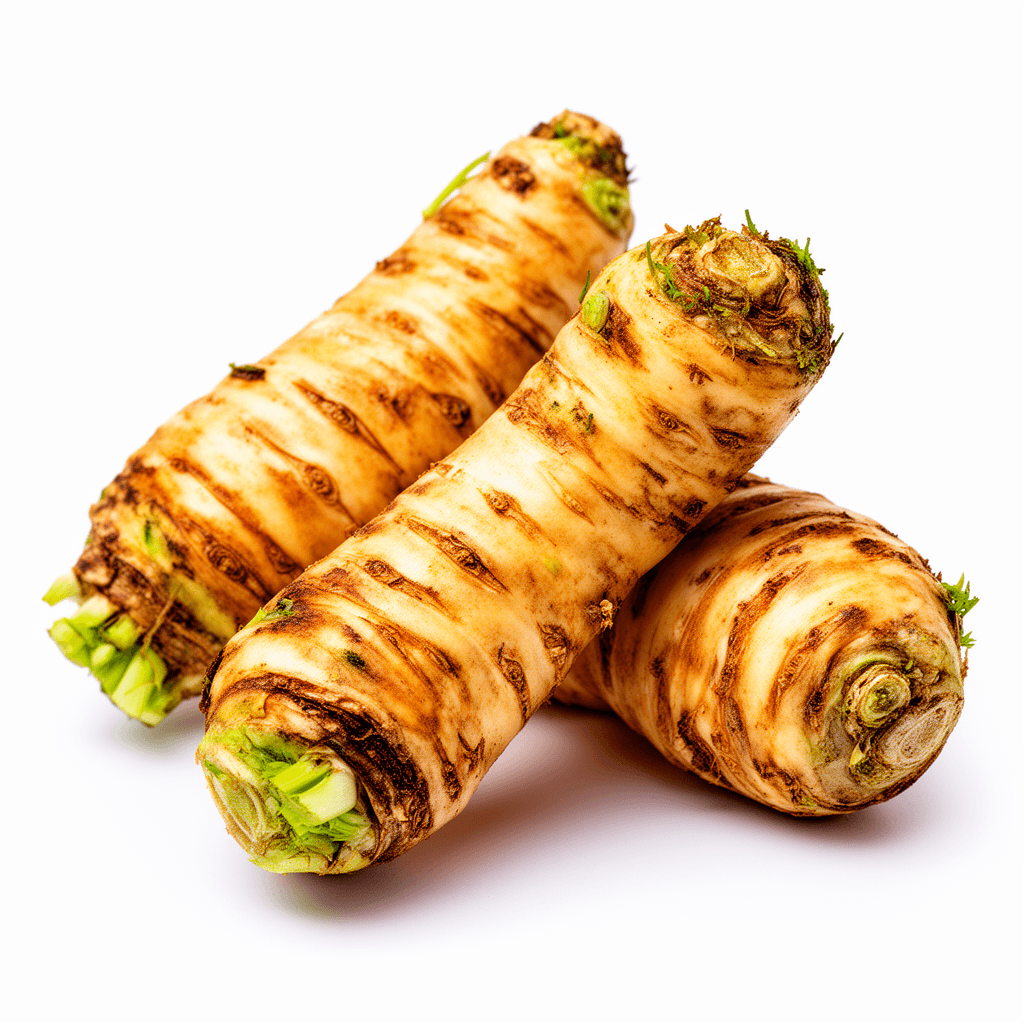
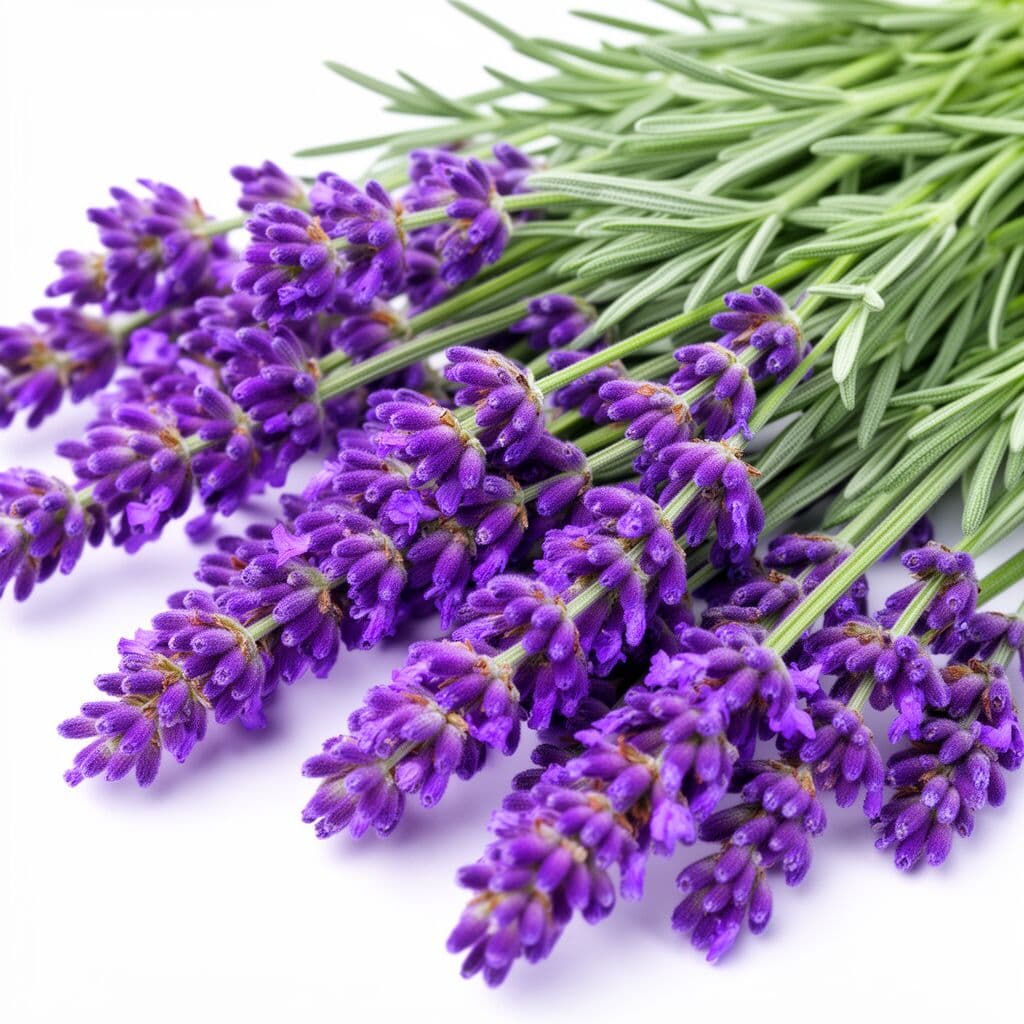
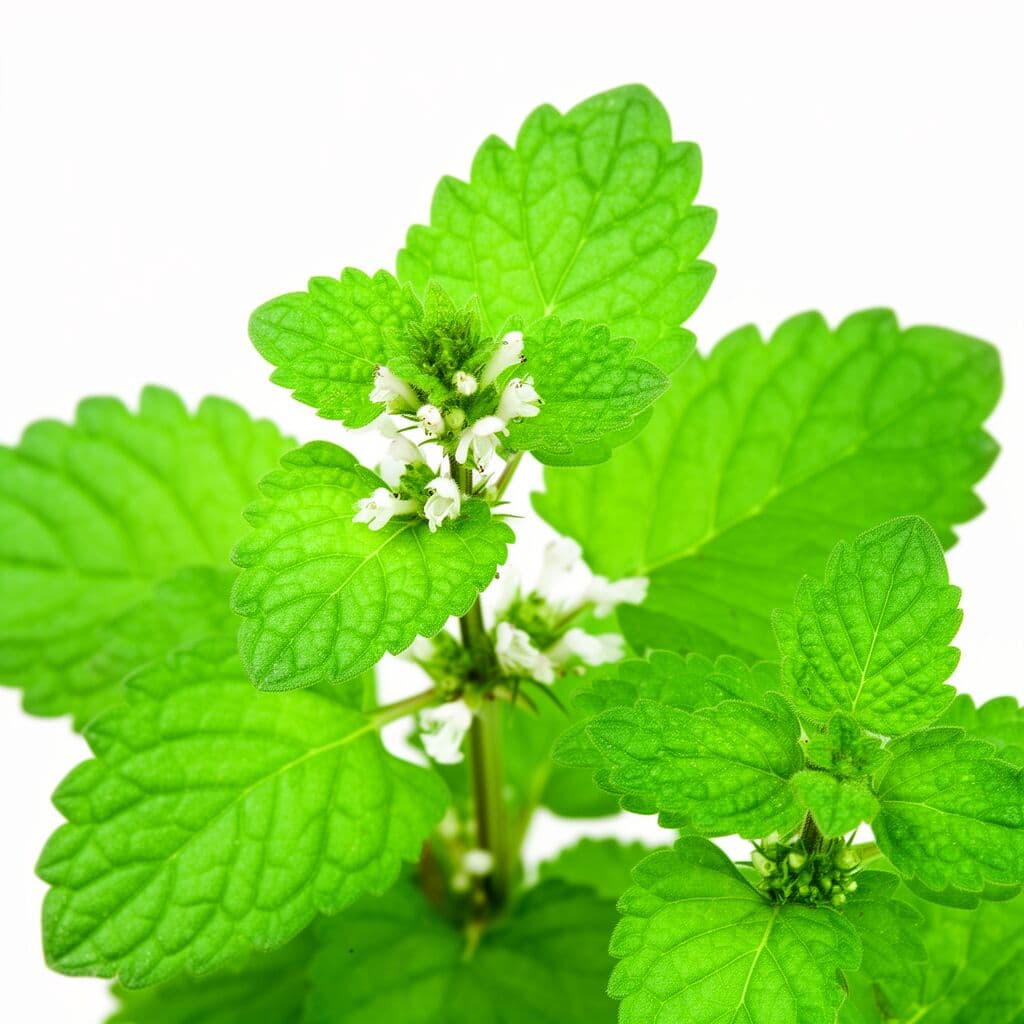
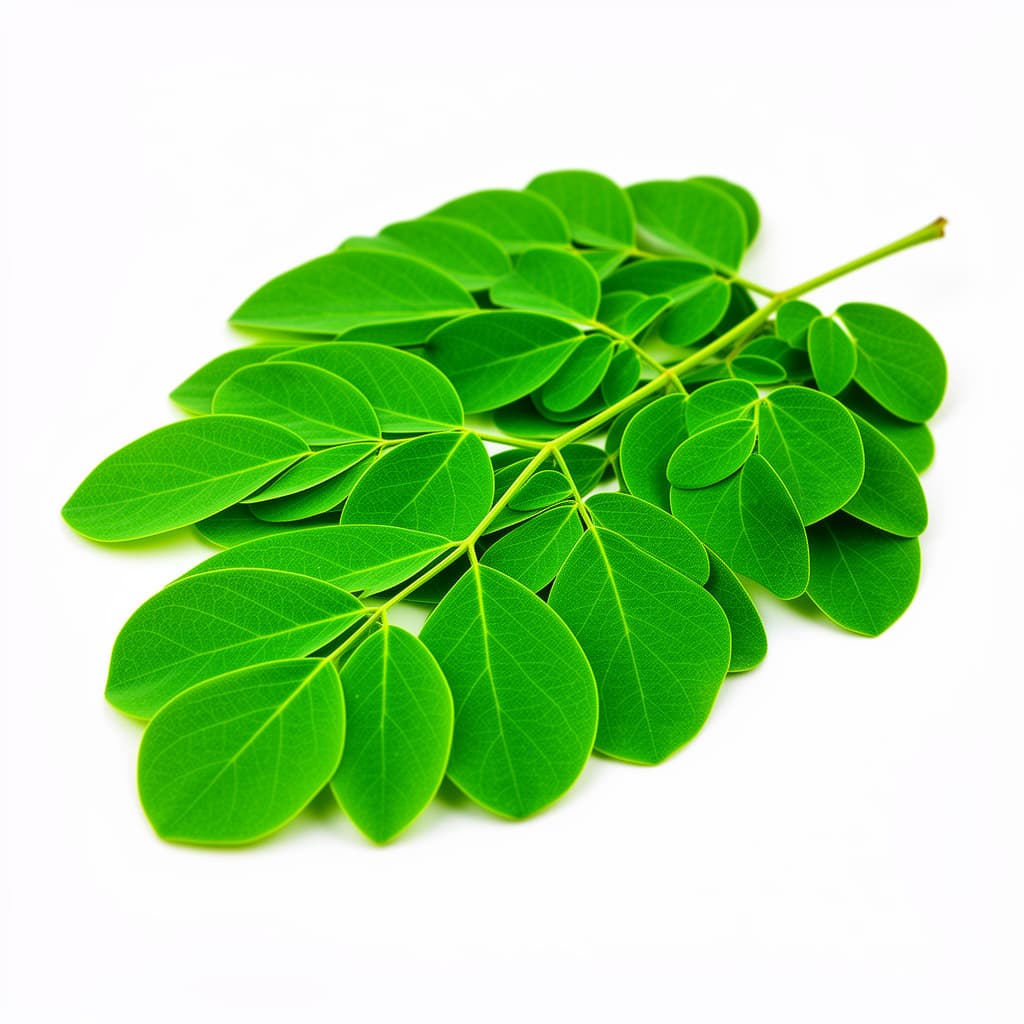
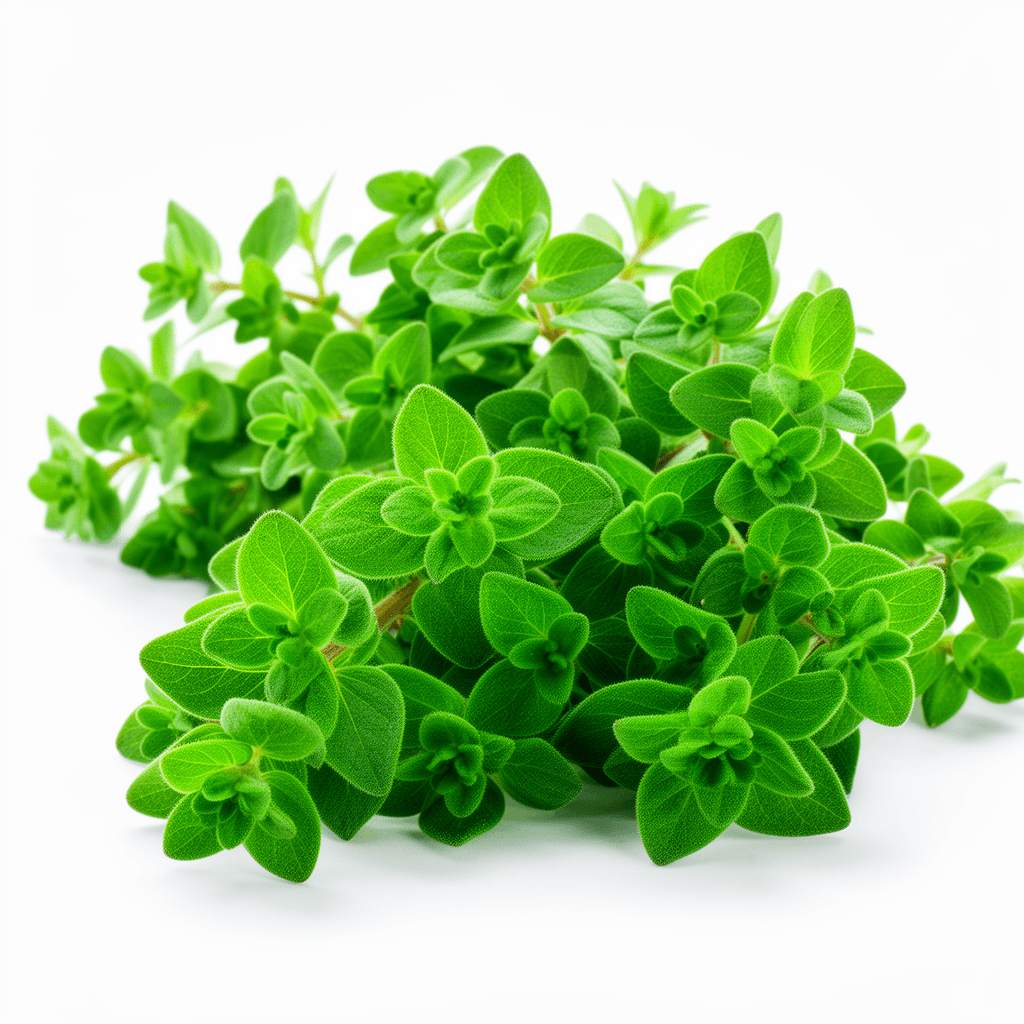
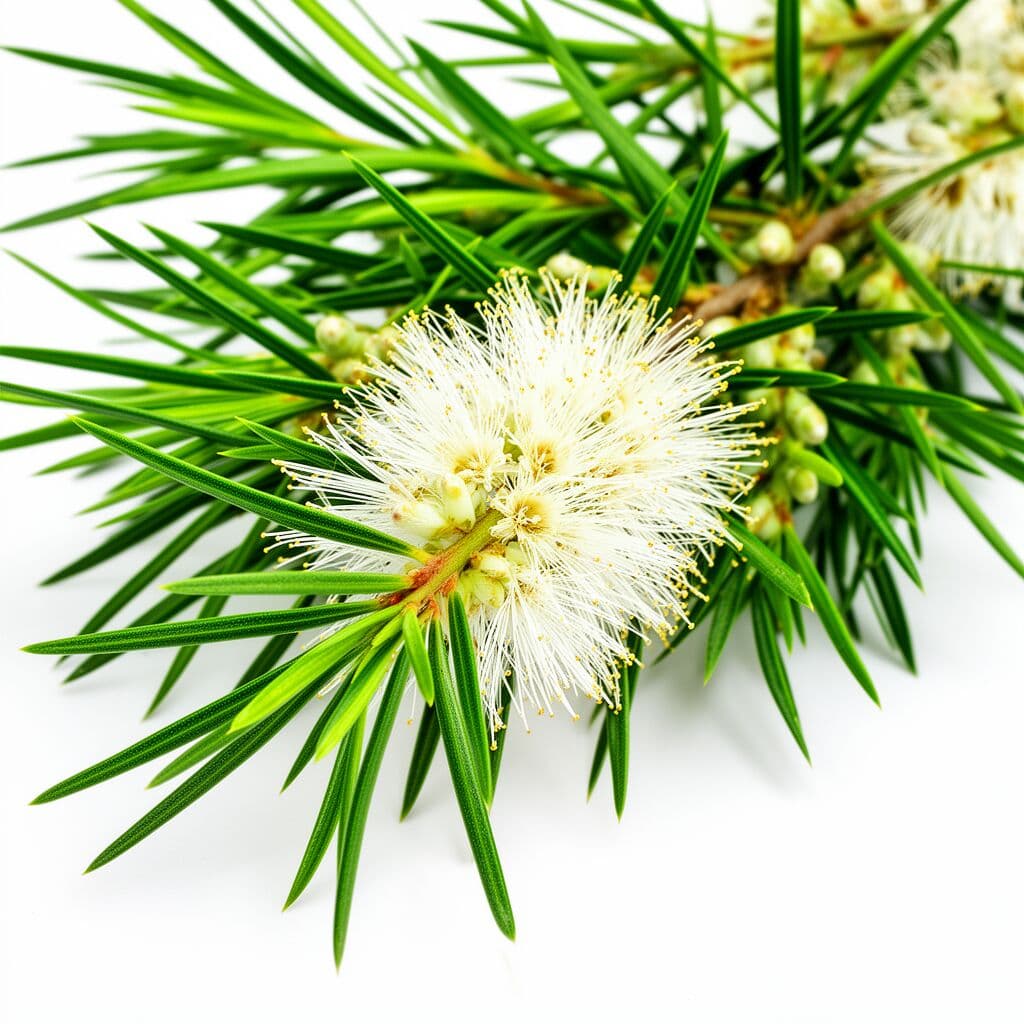
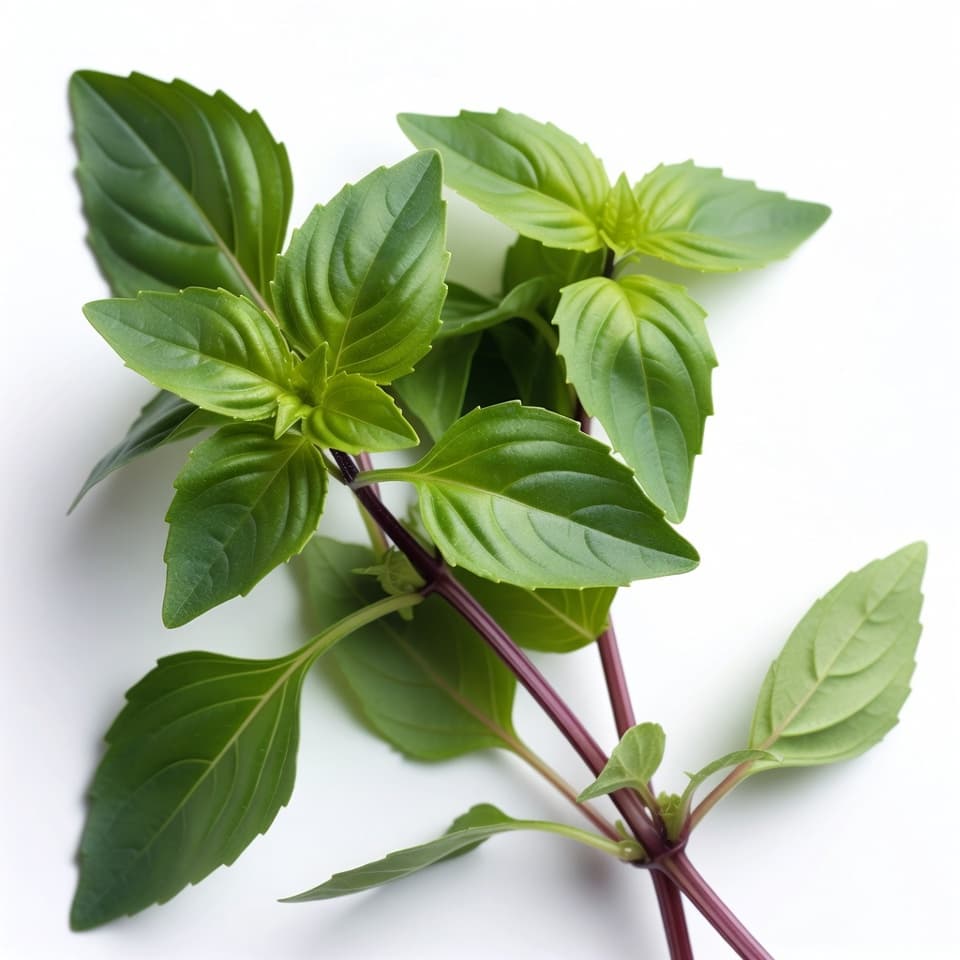
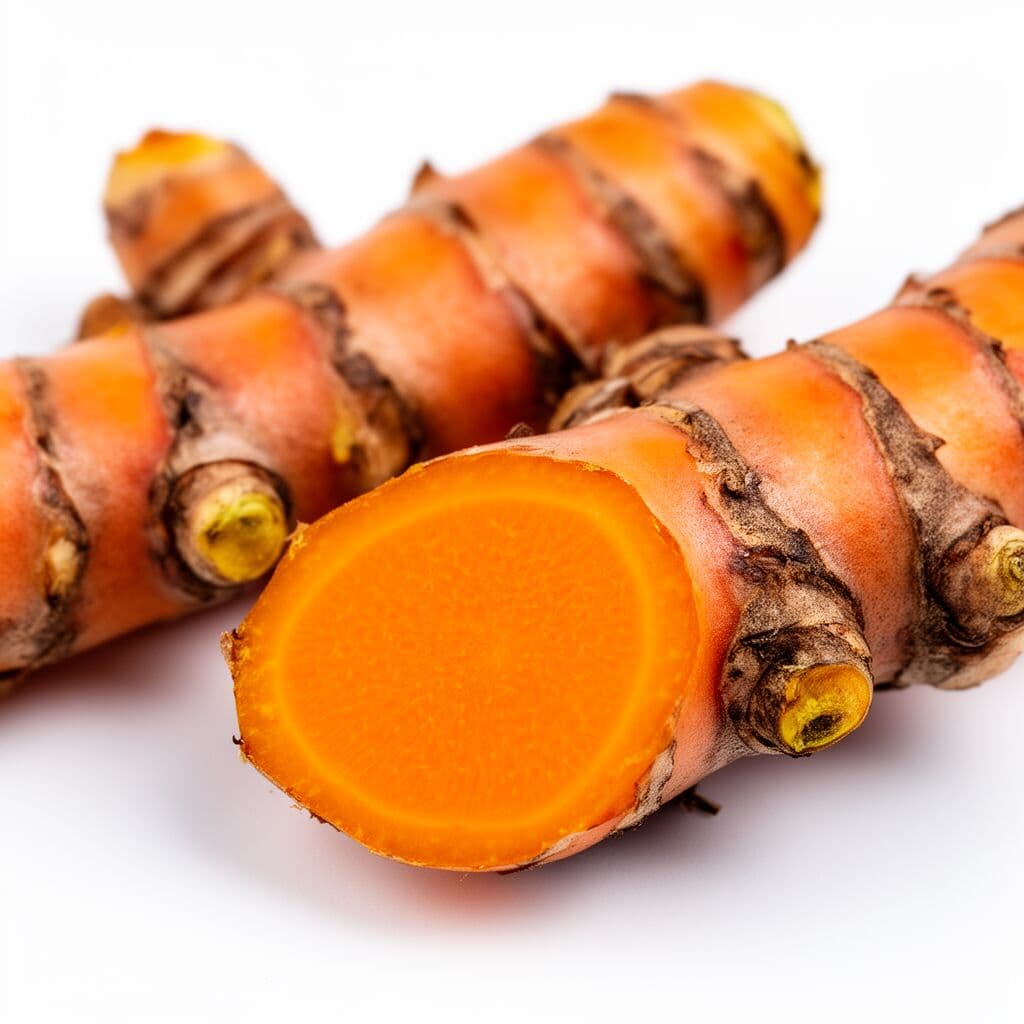
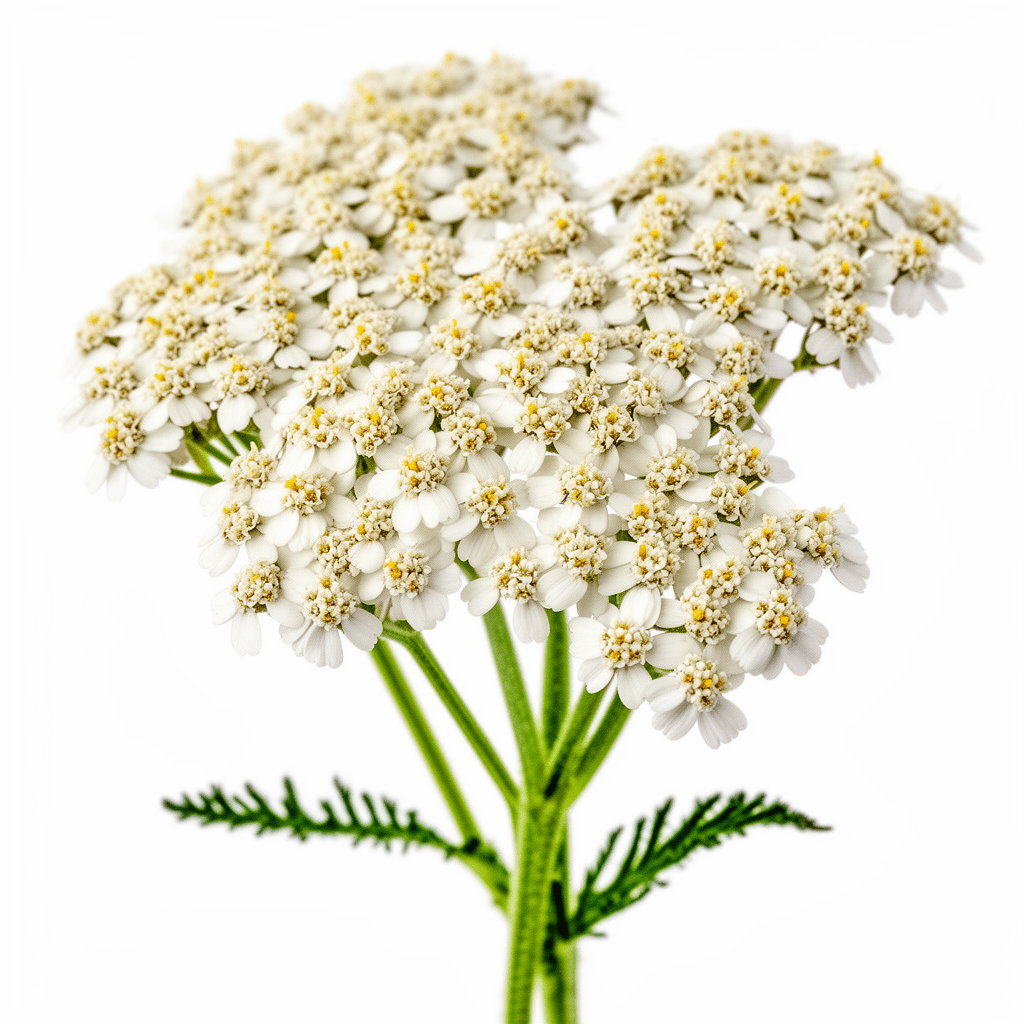
Almost every herb that goes into an InVine Botanicals formula is grown in our own Florida garden — lemongrass, lemon balm, rosemary, sweet basil, purple basil, Thai basil, lemon mint, peppermint, spearmint, lemon thyme, ginger, turmeric, cayenne, galangal, moringa, calendula, California poppy, cilantro, dill, echinacea, elderberry, horseradish, oregano, parsley, stevia, and yarrow. Black pepper, tea tree, eucalyptus, and lavender are sourced from trusted suppliers. If we grow it, we know exactly when it was harvested and how it was dried.
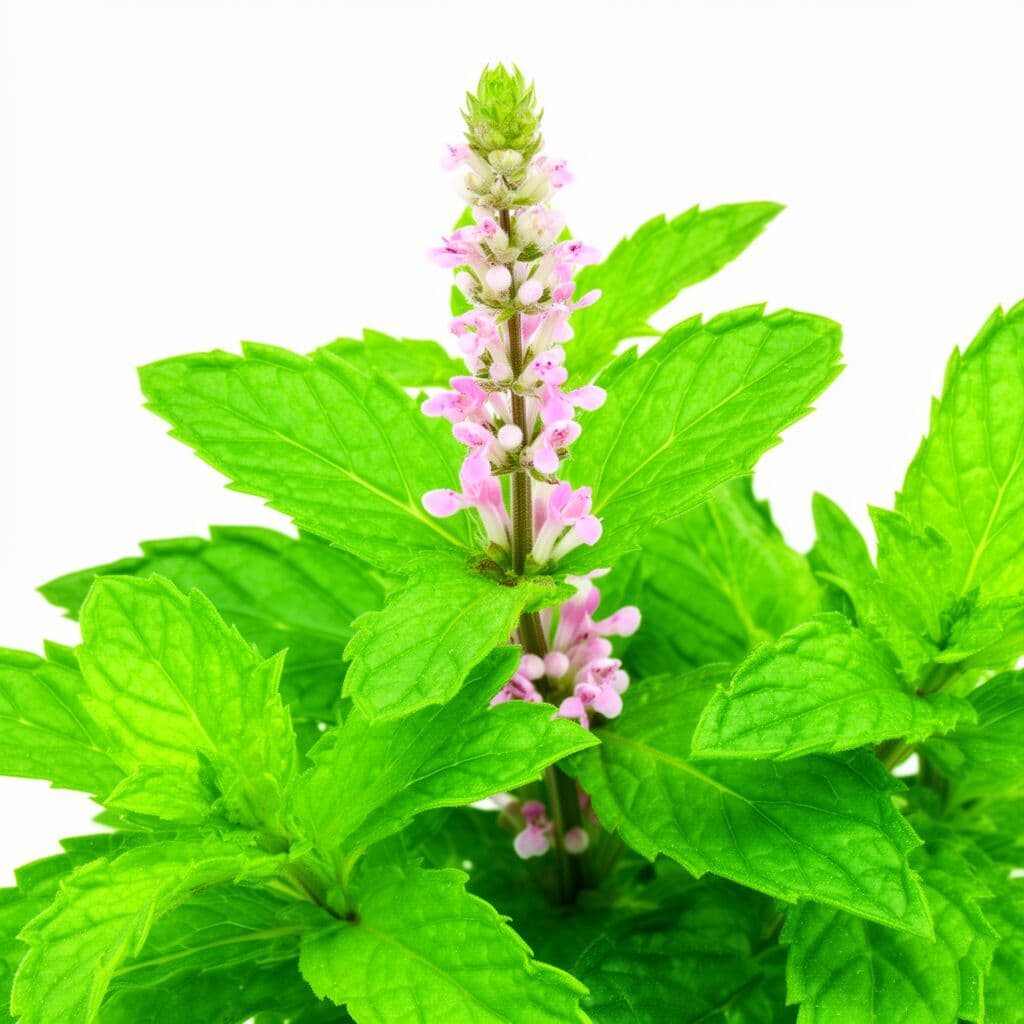
We harvest at peak potency — typically just before or at first flowering, when aromatic and medicinal compound concentration is highest — then dry the herbs carefully before beginning the infusion. The infusion itself is slow: whole dried herbs steeped in cold-extracted organic oils for at least 8 weeks. There are no shortcuts in this step.

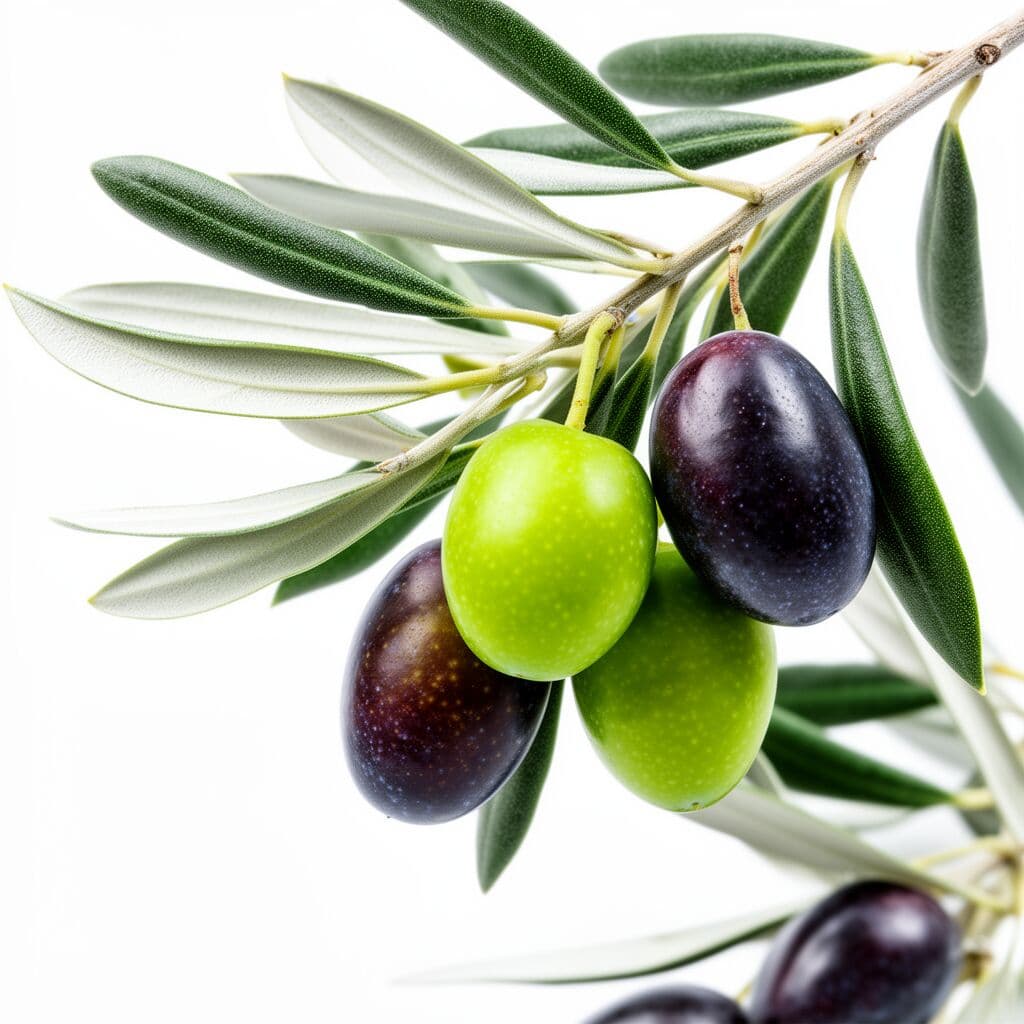
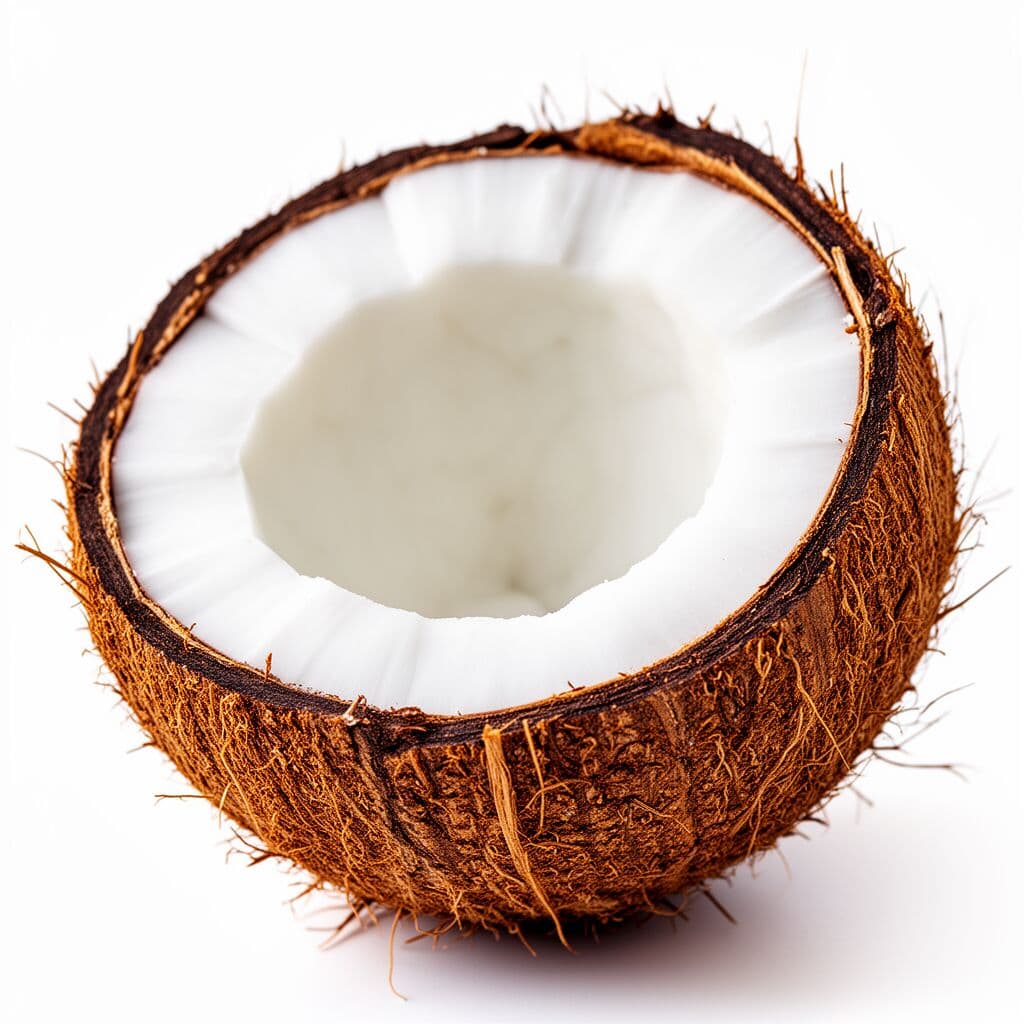
The sourced ingredients are chosen with the same care. Our beeswax comes from a local Tallahassee beekeeper. The carrier oils — organic olive oil and organic coconut oil — are sourced from trusted organic producers. Black pepper, essential oils (tea tree, eucalyptus, peppermint, and lavender), and vitamin E oil are sourced from reputable suppliers. Everything that isn’t grown here is chosen with the same intention as everything that is.