Botanical Ingredient
Stevia
Stevia rebaudiana
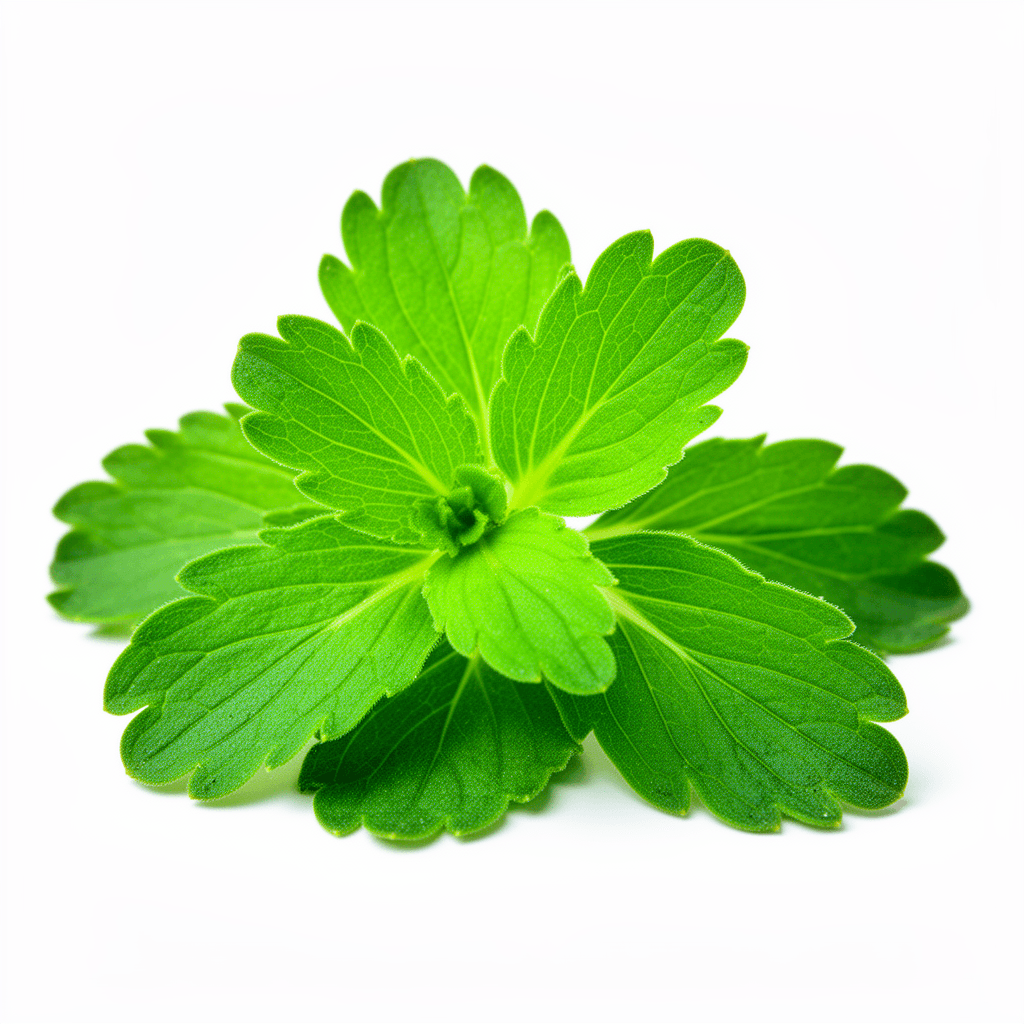
Stevia rebaudiana is a small perennial herb in the Asteraceae family, native to Paraguay and Brazil, where the Guarani people have used its leaves as a sweetener and herbal plant for centuries. Its extraordinary sweetness, 200-300 times sweeter than sucrose, comes from steviol glycosides that pass through the body without caloric impact. Beyond sweetening, stevia is rich in antioxidants and is one of the most vigorous warm-season producers in InVine's Florida garden.
Traditional Uses
- Traditional Guarani sweetener and herbal plant for centuries
- Traditionally used in South American folk skin care
- Historically valued in skin care preparations
- Traditionally valued in herbal practice
- Historically valued in South American herbal traditions
Key Properties
Did You Know
The Guarani people of Paraguay have called stevia 'ka'a he'e', meaning 'sweet herb', for at least 1,500 years, using it to sweeten bitter herbal teas long before the wider world became aware of the plant.
Our Sourcing
Stevia thrives in InVine's Florida garden through the warm summer months, producing abundantly in the heat and humidity that mirrors its native South American climate. We harvest the leaves before flowering for peak stevioside content, then dry them gently for use.
Why We Use It
Stevia surprised me. I planted it expecting a useful sweetener for the garden and found instead one of the most vigorous, productive plants in the summer beds, thriving through July and August when plenty of other herbs struggle. The rich botanical profile was an unexpected bonus that came from reading more deeply into the research. I keep growing it because it produces abundantly through the heat, contributes real botanical depth, and reminds me that even the herbs we think we know well have more to offer than the single use we first put them to.