 Small Batch
Face & Body
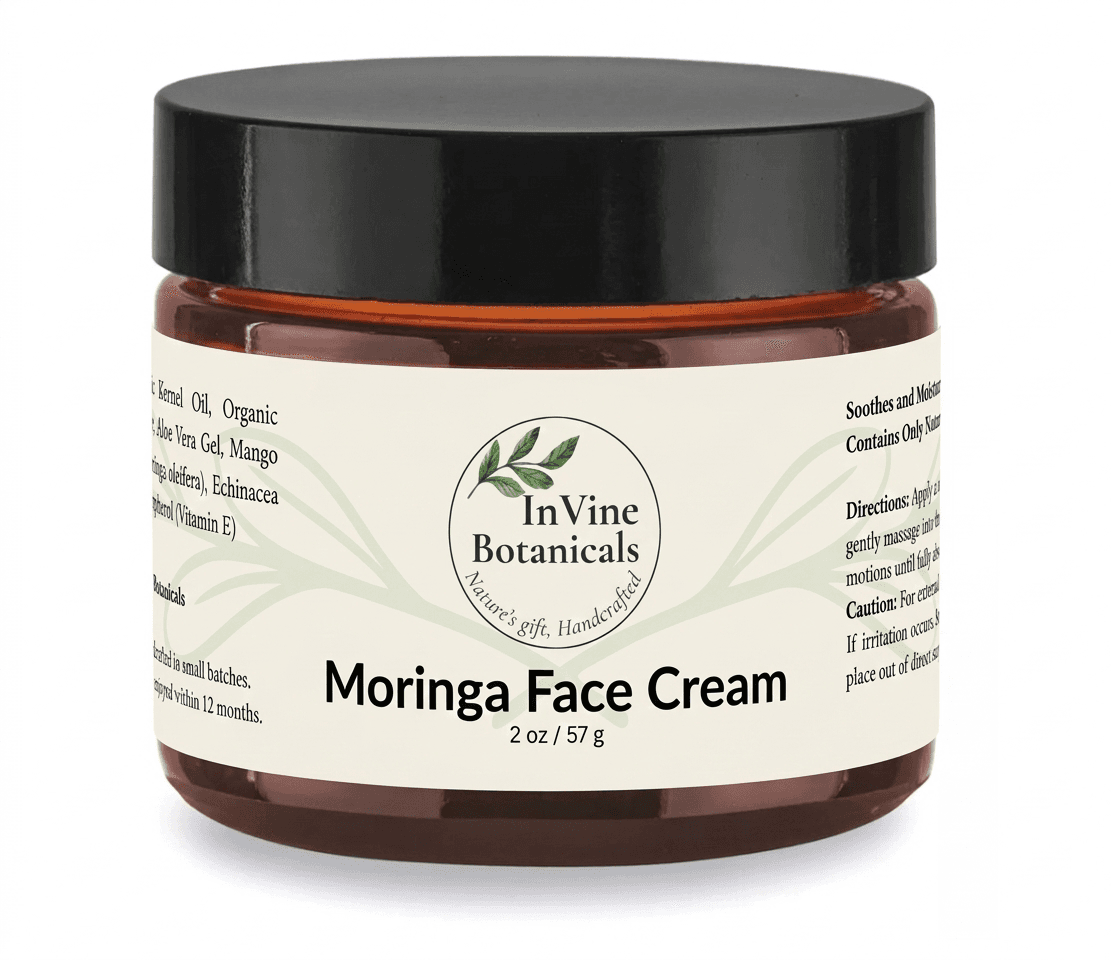
Moringa w/ Echinacea Face Cream
For your morning face routine
Your morning routine, concentrated. A waterless moringa cream where every drop is plant care, none of it filler.
$49.00
1oz / 28g
Botanical Ingredient
Echinacea purpurea
Echinacea purpurea is a striking native North American coneflower with a centuries-long history of use in indigenous herbal traditions, particularly among Plains tribes who valued it for skin care and general wellness. Its primary compounds, alkylamides, polysaccharides, and caffeic acid derivatives, contribute to its rich botanical profile. Both the aerial parts and roots carry botanical value, making echinacea one of the most versatile plants in the herbal garden.
Infused into 1 InVine formula
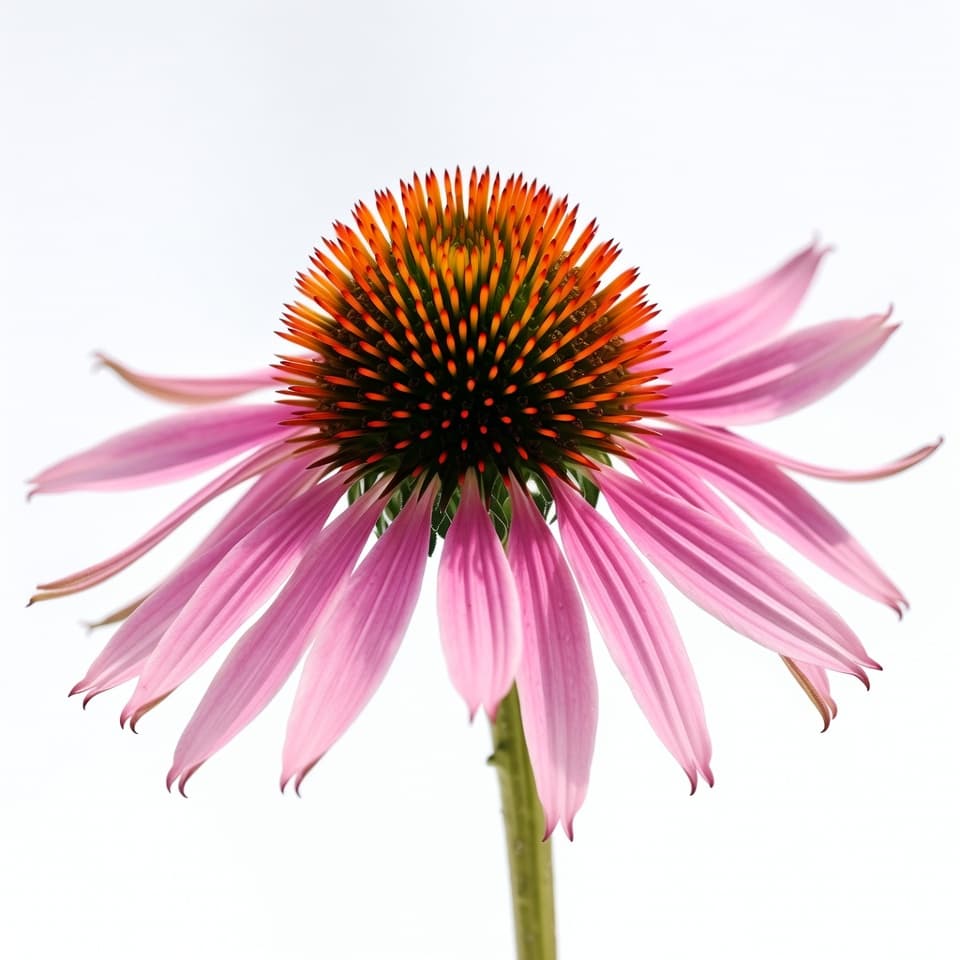
Echinacea is grown in InVine's Florida garden in Tallahassee, where it returns reliably each season. We harvest the aerial parts at peak bloom and the roots in the fall, drying both before infusion.
Echinacea is one of the garden anchors, a perennial that comes back reliably each season and never stops earning its space. I grew up knowing it as a wellness herb. What I came to appreciate as a topical herbalist is the way it contributes to skin conditioning and nourishment from the outside. The alkylamides in echinacea are part of what makes this herb so valued in traditional herbalism, and that traditional wisdom shows in how the infusion feels on the skin. It is also simply a beautiful plant. The purple coneflowers in summer are one of the true highlights of the InVine garden.
Echinacea is a key ingredient in this InVine Botanicals formula.
Small BatchFace & Body
For your morning face routine
Your morning routine, concentrated. A waterless moringa cream where every drop is plant care, none of it filler.
$49.00
1oz / 28g
Your cart is empty
Add some products to get started.