Botanical Ingredient
Aloe Vera
Aloe barbadensis miller
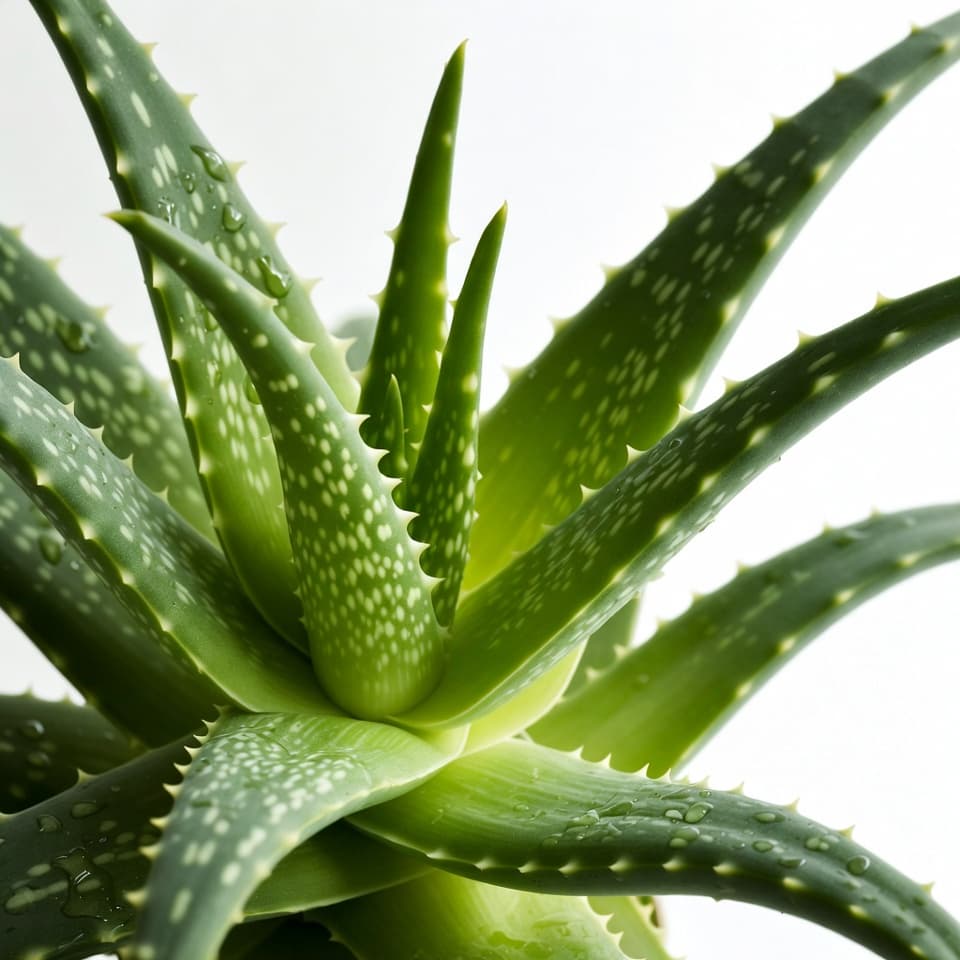
Aloe vera is one of the most universally recognized botanical plants on earth, with documented use stretching back over 5,000 years to ancient Egypt, where it was called 'the plant of immortality.' The gel inside its thick, succulent leaves contains over 75 compounds, including acemannan, salicylic acid, lignin, saponins, and vitamins A, C, and E, that contribute to its deeply moisturizing, skin-soothing, and conditioning reputation. Aloe thrives in hot, dry conditions and is exceptionally well-suited to Florida's climate.
Traditional Uses
- Traditionally used for skin conditioning across virtually all herbal traditions
- Historically valued as a moisturizing and skin-soothing agent
- Traditionally used to comfort sun-exposed and dry skin
- Historically valued in Ayurvedic and African skin care traditions
- Traditional hair and scalp conditioning
Key Properties
Did You Know
Cleopatra reportedly used aloe vera gel as part of her daily beauty regimen, and Alexander the Great is said to have conquered the island of Socotra specifically to secure its aloe supply for his soldiers.
Our Sourcing
Aloe vera grows year-round in InVine's Florida garden in Tallahassee, thriving in the warm, humid climate with minimal care. We harvest the mature outer leaves and extract the gel fresh for use, preserving the full spectrum of active compounds.
Why We Use It
Aloe vera is the plant everyone knows, and for good reason. The gel is genuinely one of the most valued botanicals in the skin care world. I grow it because having a living source of skin-soothing gel steps from the workshop is practical, and because the acemannan and polysaccharide content brings real moisturizing depth to any formula it touches. It is one of the most generous plants in the garden, always producing, always useful.