
Botanical Ingredient
Mexican Tarragon
Tagetes lucida
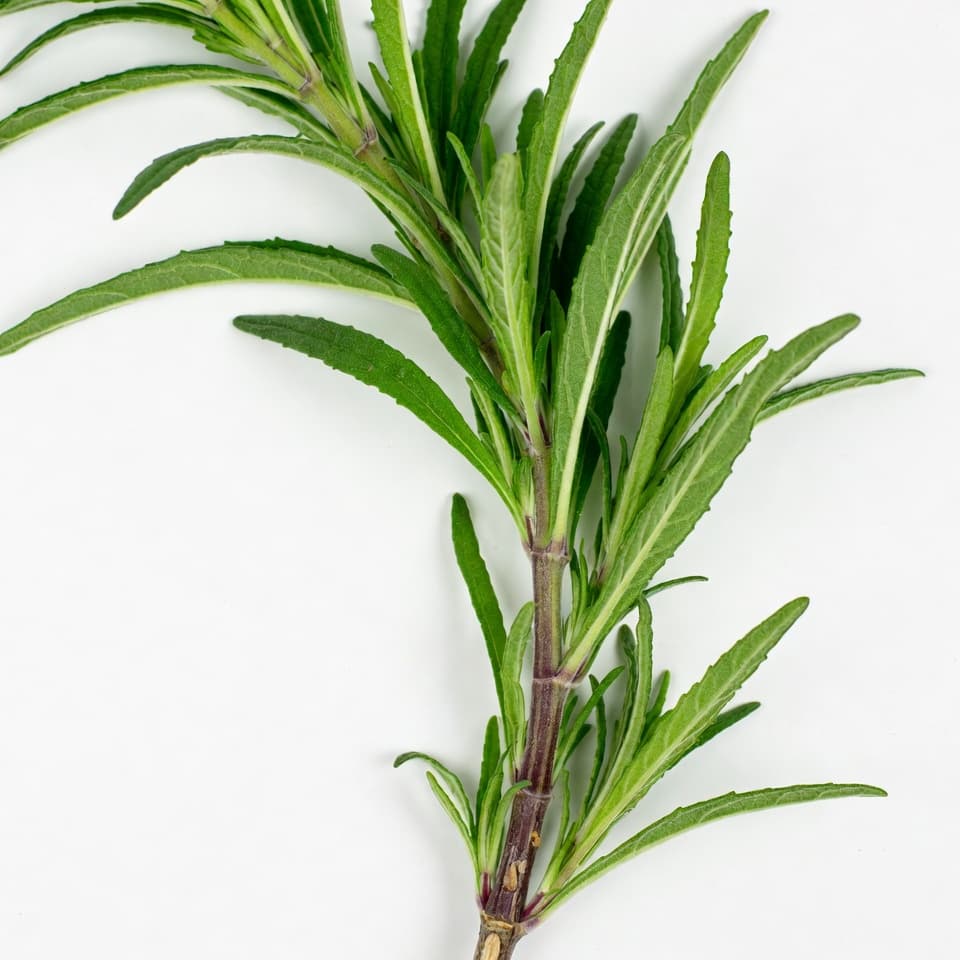
Mexican tarragon, also known as Spanish tarragon or Mexican mint marigold, is a perennial herb in the Asteraceae family native to Mexico and Central America. Unlike French tarragon, which struggles in hot, humid climates, Tagetes lucida thrives in heat and produces a remarkably similar anise-like flavor and aroma. Its compounds include estragole, methyl eugenol, and flavonoids. The Aztecs used it ceremonially and in traditional herbalism for centuries before European contact.
Traditional Uses
- Traditional Aztec ceremonial and herbal plant
- Traditionally used for digestive comfort in Mexican folk herbalism
- Historically valued as a calming nervine
- Traditionally used in topical herbal skin care
- Traditional aromatic and culinary herb across Central American traditions
Key Properties
Did You Know
The Aztecs called Mexican tarragon 'yauhtli' and used it as a ritual incense and herbal preparation. It was reportedly used in Aztec ceremonies as a calming aromatic, one of the earliest documented uses of aromatic herbs in ritual practice.
Our Sourcing
Mexican tarragon is grown in InVine's Florida garden in Tallahassee, where it thrives in the heat and humidity that would kill French tarragon. It is a vigorous perennial that returns reliably each season, producing abundantly through the long Florida summer.
Why We Use It
Mexican tarragon is the plant that solved a problem I had been struggling with, growing a tarragon that could survive a Florida summer. French tarragon simply will not tolerate the heat and humidity here, but Tagetes lucida thrives in it. The flavor and aromatic profile are remarkably similar, and its rich botanical character gives it a place in the apothecary as well as the kitchen. It is one of those plants that feels perfectly matched to the climate and the work we do.