Botanical Ingredient
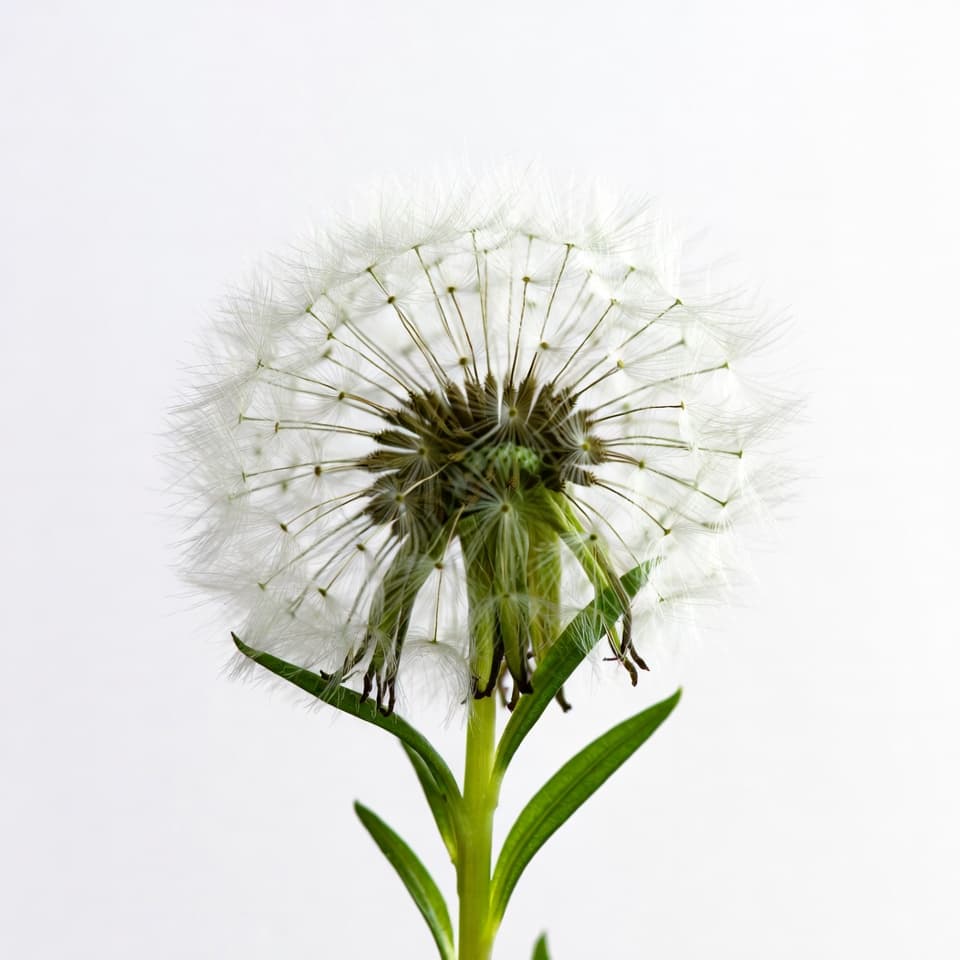
Dandelion
Taraxacum officinale
Dandelion is one of the most nutritionally dense and botanically versatile plants on earth, used in traditional herbalism across every continent where it grows, which is nearly all of them. Every part of the plant is useful: the leaves are rich in vitamins A, C, and K; the roots contain inulin and taraxacin; and the flowers carry lutein and beta-carotene. Topically, dandelion has been valued for centuries in European and Chinese folk herbalism for its skin-soothing and conditioning qualities.
Traditional Uses
- Traditionally used for skin conditioning in European herbalism
- Traditional culinary and herbal plant across many global traditions
- Historically valued across many cultures (the French name 'pissenlit' reflects its long history)
- Rich in antioxidants (lutein, beta-carotene)
- Traditionally used for skin soothing in Chinese herbal tradition
Key Properties
Did You Know
Dandelion seeds can travel up to 100 kilometers on the wind, and a single plant can produce up to 5,000 seeds per year, making it one of the most successful and resilient plants in the botanical world.
Our Sourcing
Dandelion grows freely in InVine's Florida garden in Tallahassee, naturalizing readily in the warm climate. We harvest the leaves and flowers at peak season, drying them gently to preserve the full nutritional and botanical profile.
Why We Use It
Dandelion is the herb that most people spend their lives trying to eradicate from the lawn, which I find deeply ironic given that it is one of the most nutritionally complete plants on the planet. Every part of it is useful, root, leaf, and flower, and its antioxidant and nutrient profile is genuinely impressive for a plant that grows freely with no encouragement. I let it thrive in the garden because a plant this generous deserves respect, not herbicide.