Botanical Ingredient
Dill
Anethum graveolens
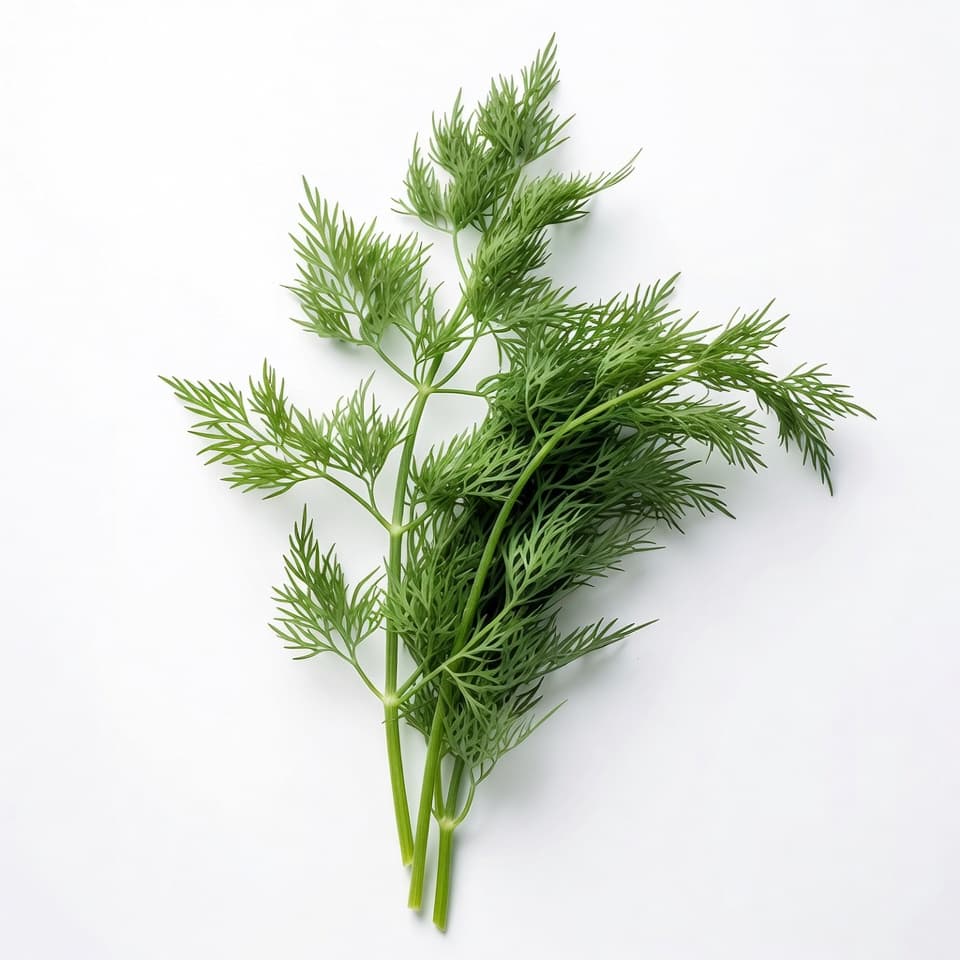
Dill is a tall, feathery annual in the Apiaceae family with a history of traditional use stretching back to ancient Egypt, Greece, and Rome. Its primary compounds, carvone, limonene, and anethofuran, are found in both the leaves and seeds and contribute to its distinctive aromatic profile. In InVine's Florida garden, dill performs best in the cooler winter months before bolting in summer heat.
Traditional Uses
- Traditionally used in European herbal skin care
- Historically valued in skin care preparations
- Traditional culinary and aromatic herb worldwide
- Historically valued for its calming, comforting quality
- Botanical herb documented in the Egyptian Ebers Papyrus (c. 1550 BCE)
Key Properties
Did You Know
The word 'dill' comes from the Old Norse 'dilla,' meaning to lull or soothe, a reference to its ancient use as a calming herb for restless infants and upset stomachs.
Our Sourcing
Dill is a cool-season crop in InVine's Florida garden, planted in fall and harvested through winter before the heat causes it to bolt. We harvest the feathery fronds at their most aromatic and dry them slowly to preserve their volatile oil content.
Why We Use It
Dill is another cool-season herb that fills the winter garden beautifully. The feathery fronds are almost impossibly delicate looking, but the plant itself is surprisingly productive in Tallahassee's mild winters. I was drawn to it first for its traditional calming history, the Old Norse root of the word means 'to lull,' and that etymology is not accidental. In practice, I grow it because it extends the botanical garden through the cooler months and because watching it establish each fall has become one of my favorite seasonal moments in the garden.