Botanical Ingredient
Garlic
Allium sativum
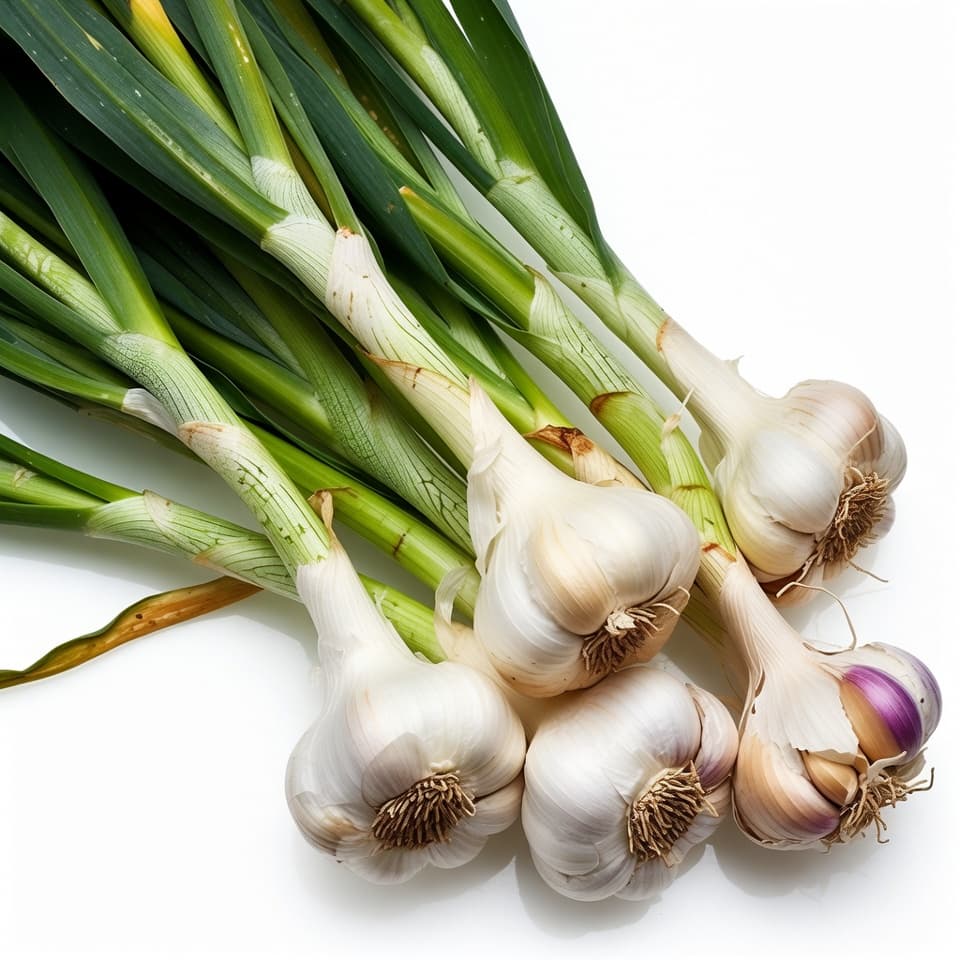
Garlic is arguably the most extensively studied botanical plant in the world, with over 5,000 peer-reviewed papers on its properties. Its primary compound, allicin, is produced when raw garlic is crushed or cut, triggering an enzymatic reaction between alliin and alliinase. Garlic has been valued in traditional herbalism for at least 5,000 years, from ancient Egyptian laborers to World War I field use.
Traditional Uses
- Traditionally valued in virtually all herbal traditions worldwide
- Historically used in topical herbal skin care
- Traditionally valued for general wellness across global traditions
- Historically used in field preparations (used in both World Wars)
- Traditional culinary and herbal plant in Ayurvedic and Chinese traditions
Key Properties
Did You Know
During World War I, British army surgeons used diluted garlic juice in field preparations when conventional supplies ran short. It was so valued that the government issued a general call for garlic donations from the public.
Our Sourcing
Garlic is grown in InVine's Florida garden in Tallahassee, planted in the fall and harvested in late spring. We grow softneck varieties suited to Florida's mild winters, harvesting the bulbs at maturity and curing them properly to concentrate the allicin-producing compounds.
Why We Use It
Garlic needs no introduction and no defense. It is one of the most thoroughly studied botanicals in the plant kingdom, the research base is enormous and unambiguous. I grow it in the garden because having access to fresh, homegrown garlic means having access to the highest-potency allicin possible. The richness of fresh garlic's botanical profile is strongest when it is freshly harvested and processed, which is exactly the advantage a garden gives you over anything you can buy.