Botanical Ingredient
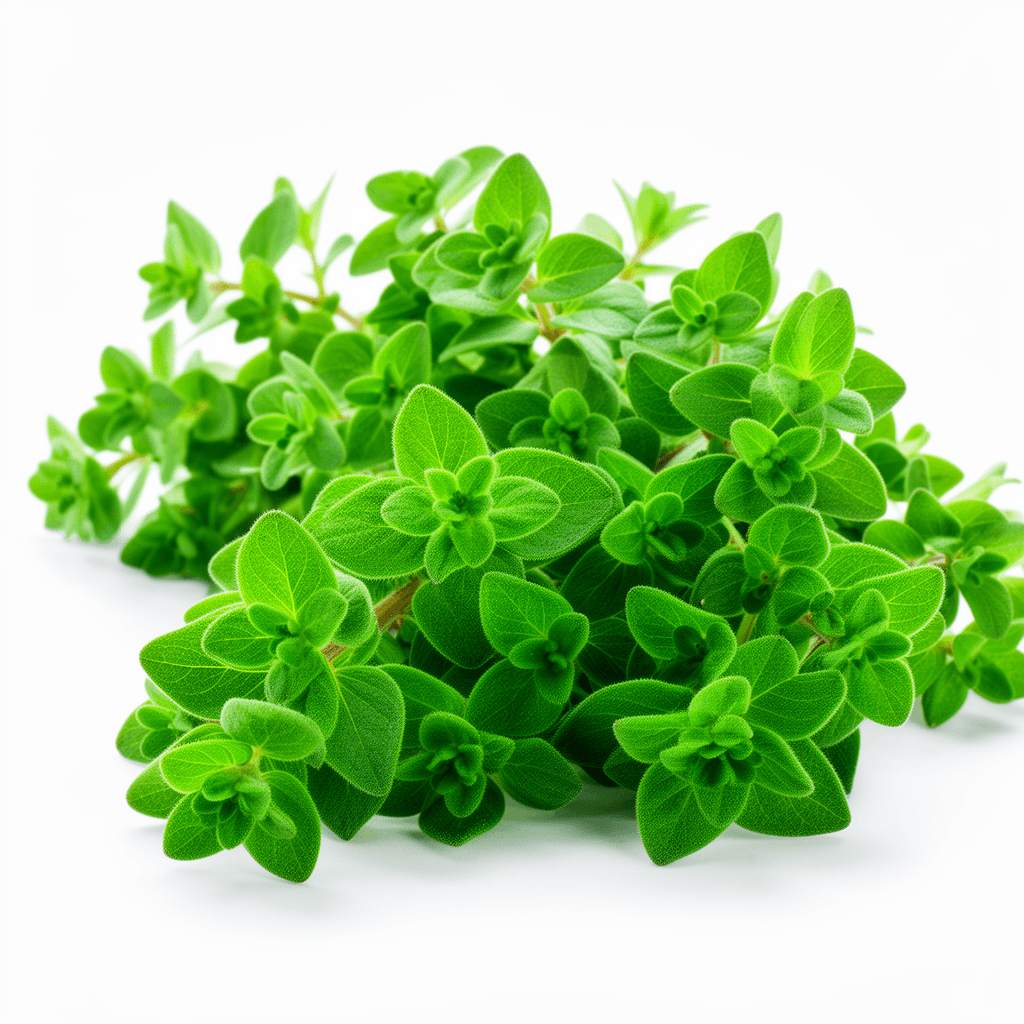
Oregano
Origanum vulgare
Oregano is one of the most botanically rich herbs in the Lamiaceae family, with an essential oil profile dominated by carvacrol and thymol, two of the most studied phenolic compounds in the plant world. Native to the Mediterranean but naturalized in warm climates worldwide, oregano has been valued in traditional herbalism for thousands of years. Its botanical depth far exceeds its culinary familiarity.
Traditional Uses
- Traditionally used in skin care preparations
- Historically valued for its refreshing aromatic quality
- Traditionally used as a topical herbal poultice
- Historically valued in herbal skin care routines
- Traditionally used in Greek and Roman herbal preparations for skin
Key Properties
Did You Know
Oregano's name comes from the Greek 'oros ganos', joy of the mountain. Ancient Greeks believed it was created by Aphrodite as a symbol of happiness.
Our Sourcing
Oregano grows vigorously in InVine's Florida garden year-round, returning each season as a woody perennial. We harvest the leaves just before flowering, when carvacrol and thymol concentrations peak, then dry them slowly to preserve their volatile oils.
Why We Use It
Oregano might be the hardest-working plant in the garden. It returns every year without fail, grows vigorously with minimal attention, and produces a carvacrol and thymol content that makes it one of the most botanically rich herbs available, not just here, but in any garden. I grow it because nothing else I tend quite matches its depth and potency. It is the herb I reach for first when a formula needs real botanical strength. The fact that it is a perennial that thrives in Florida's climate without coaxing makes it one of the most practical plants we tend.