Slugging is just sealing damp skin overnight so less water escapes, and petroleum jelly is not the only thing that seals. A beeswax or plant-butter balm, a rich waterless creme, or lanolin all form the same kind of overnight layer. Here is how to slug without petroleum, and the honest trade-offs of doing it.
The routine went viral for a reason: it works, it costs almost nothing, and it makes a real visible difference by morning on dry skin. But the tutorials all end at the same jar of petroleum jelly, and a lot of people who'd happily try slugging simply don't want petroleum on their face all night. That's a solvable problem. The technique isn't about the petroleum. It's about the seal.
What Slugging Actually Does
Skin loses water to the air continuously, and it loses more of it overnight. An occlusive is any substance that sits on the surface and slows that escape. Petrolatum happens to be an exceptionally effective one: it is chemically inert, cheap, and forms a nearly impermeable film. That's the whole mechanism. It is not feeding your skin anything.
Which means the question "what can I use instead?" has a clean answer: anything that seals. The candidates differ in how tightly they seal, how they feel, and what else they bring with them.
The Natural Occlusives, Honestly Ranked
Beeswax-based balms. Beeswax forms a real, breathable seal, which is why it has been the base of topical preparations for thousands of years. A balm made of infused plant oils blended with beeswax gives you the overnight layer plus whatever the oils carry with them. It is the closest botanical analogue to the petroleum routine and our own preferred answer for lips, hands, elbows, and dry patches. (Why beeswax is the base we build on.)
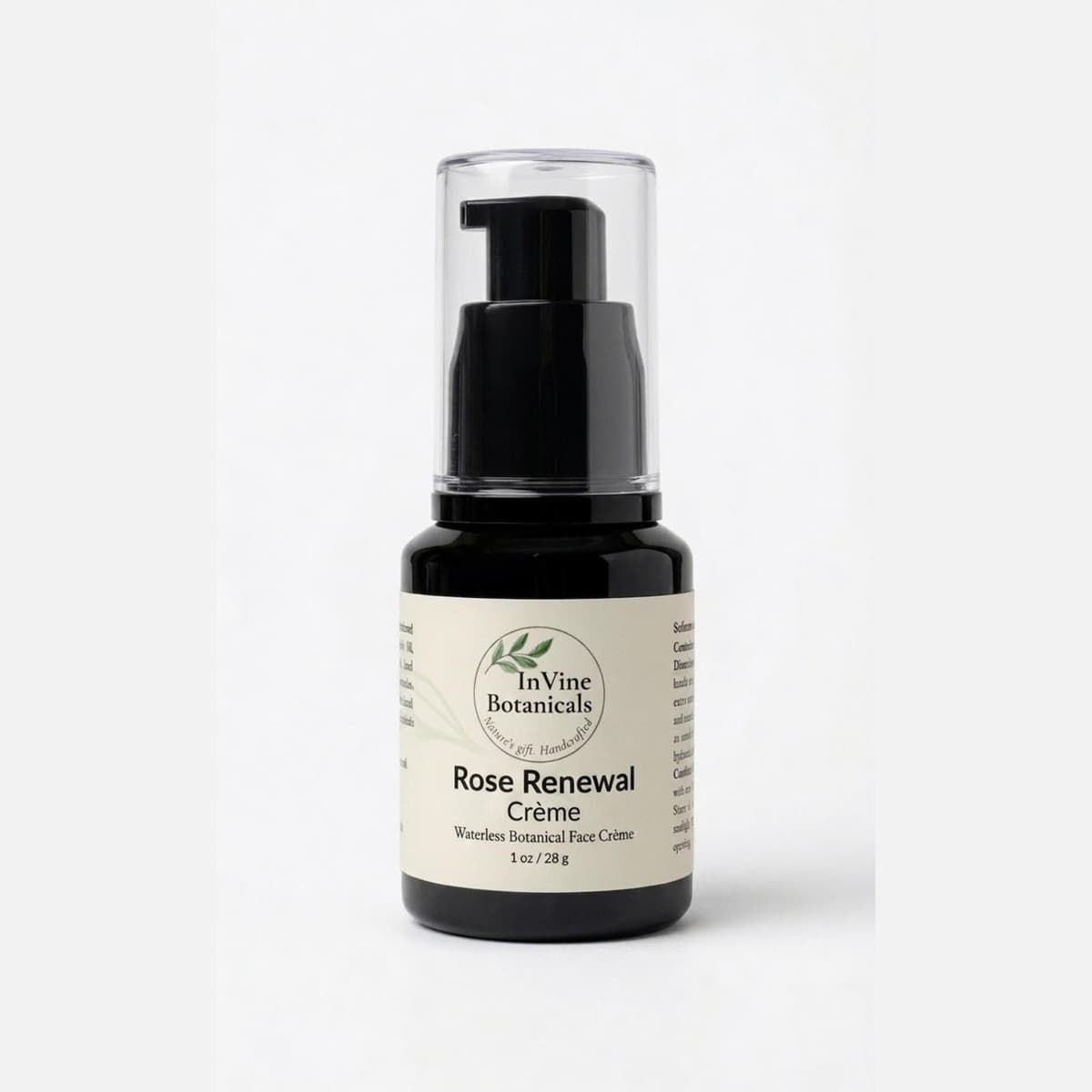
Plant butters, mango, shea, cocoa. Softer seal, richer feel, no animal ingredient. Excellent on the body, and a waterless creme built on mango butter is the version we recommend for the face, since we keep beeswax out of every face formula. It is also the natural swap for anyone stepping back from the beef tallow version of this idea, which reaches for the same rich fatty acids from an animal source.
Lanolin. Extremely effective, genuinely occlusive, and the sleeper favorite of people who slug seriously. It is wool-derived, so it's out if you avoid animal ingredients, and a minority of people find it irritating. Worth knowing it exists.
Facial oils alone. The most common mistake. Oils are emollient (they soften) but only weakly occlusive, so oil-only slugging often disappoints. Use an oil as the layer underneath, not as the seal itself.
Tallow. Effective, traditional, and having a moment. Animal-based, distinctly warm-smelling, and polarizing. If it suits you, it works.
How to Do It, Step by Step
- Cleanse gently and leave skin slightly damp. The seal traps whatever is under it. Trap water, not dirt. An oil-based balm is a gentle way to do that; here is what to avoid in a cleansing balm.
- Apply your usual hydrating layer while damp. For us that's a waterless creme; a humectant serum works too.
- Seal with a thin layer of your occlusive. Thin. This is the step everyone overdoes. A pea-sized amount, warmed between the fingertips, is plenty for a face.
- Sleep on a pillowcase you don't mind. Everything occlusive transfers. This is true of petroleum jelly too.
- Rinse in the morning. Not always necessary with lighter botanical seals, always necessary if you used something heavy.
Where botanical slugging shines hardest is not the face at all. Hands after a winter's dishwashing, lips, heels, and cracked cuticles respond to an overnight balm seal faster than anything else in skincare. A balm on the hands under cotton gloves overnight is the single highest-return version of this routine.
The Honest Trade-Offs
- Petrolatum seals harder. If maximum occlusion is the goal, nothing beats it, and pretending otherwise would be dishonest. Botanical seals are slightly more breathable, which most people prefer sensorially, and which does mean marginally more water escapes.
- Plants have a scent. Ours is a whisper, but it isn't nothing.
- Breakout-prone skin should be careful. Sealing an active breakout under anything makes it worse. Keep occlusives on the dry zones.
- Cost. A tub of petroleum jelly is a few dollars. A botanical balm isn't. What you're paying for is what's under the seal.
What We'd Reach For
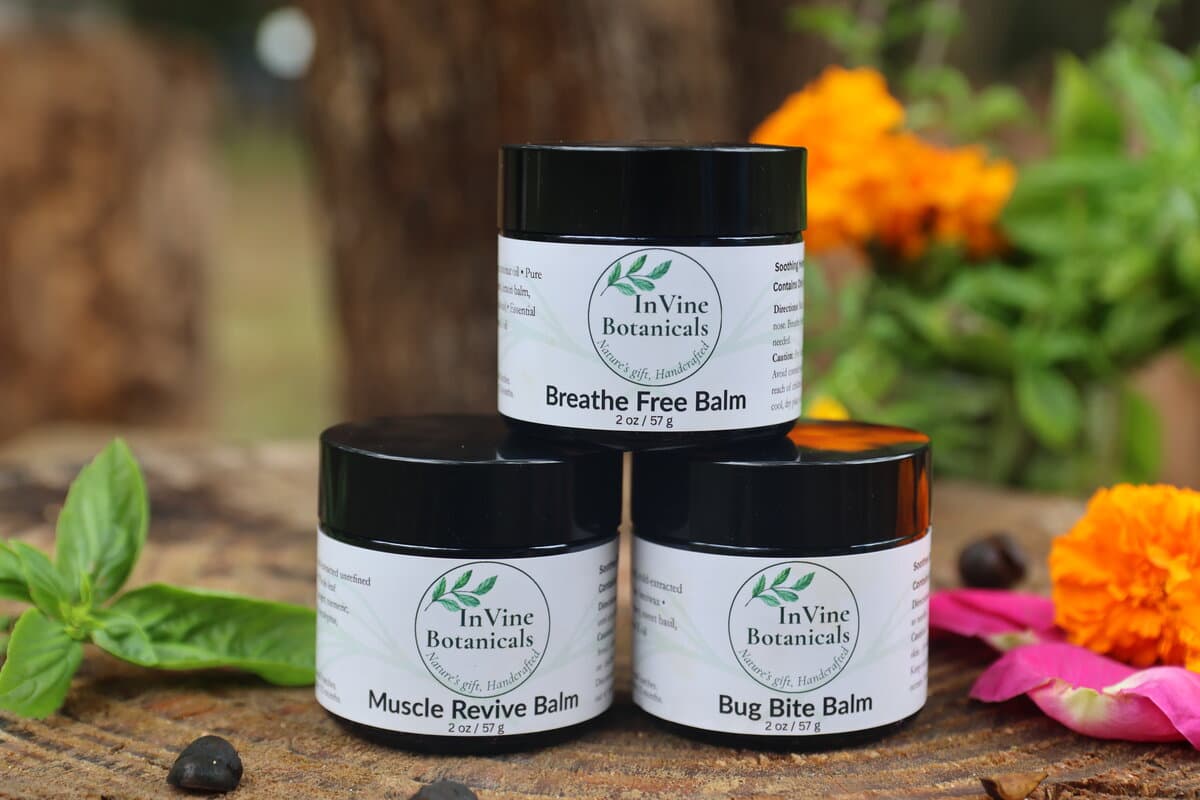
For the face: one of our waterless cremes as the layer, and nothing heavier, since we make no face product with beeswax in it. For lips, hands, elbows, and dry patches: any of our whole-herb balms, garden-grown herbs slow-infused for six to eight weeks in cool, dark conditions, then blended with beeswax from a local Tallahassee beekeeper.
If you're arriving here from the petroleum-jelly side of the question, we've written honest label-by-label comparisons of the usual suspects: Vaseline, Aquaphor, and CeraVe Healing Ointment. They'll tell you exactly what's in the jar you're replacing.
Slugging isn't a product. It's a technique, and it belongs to whatever you decide to seal with.