Prickly pear seed oil is cold-pressed from the seeds of the cactus fruit, and it is one of the most expensive plant oils in all of skincare because the yield is so small. What it actually does is simple and unglamorous: it is a light, fast-sinking oil, unusually high in linoleic acid and naturally occurring vitamin E, that softens skin and leaves it looking smoother. Here is the honest version, including why we put it in our crèmes.
Walk through the luxury-skincare aisle and you'll find prickly pear (also sold as Barbary fig seed oil) presented with the reverence usually reserved for pharmaceuticals. Some of the claims attached to it are silly. The oil itself is genuinely excellent, and the reason it's expensive is genuinely interesting. Both things are true.
What It Actually Is
The prickly pear cactus fruit is full of tiny hard seeds, and the oil lives inside those seeds, not in the fruit's flesh. Getting it out means harvesting the fruit, separating the seeds by hand, drying them, and cold-pressing.
The yield is the story. It takes a very large volume of fruit, laboriously processed, to produce a single litre of oil, which is why prickly pear sits near the top of every plant-oil price list. This is worth knowing when you shop: a lot of products name it prominently on the front of the box and carry a trace of it near the bottom of the ingredient list.
What It Does On Skin
Three properties, none of them magical:
It sinks in fast and doesn't sit greasy. Prickly pear is high in linoleic acid, and linoleic-rich oils tend to feel lighter and absorb more quickly than oleic-rich ones like olive. That's a textural fact, and it's the single most useful thing about the oil in formulation: it lightens a rich, buttery base without thinning it out. (Rosehip is the other famous linoleic-rich seed oil; we compared it head-to-head with moringa oil.)
It carries its own vitamin E. The oil contains naturally occurring tocopherols, the same family of compounds we add separately to our balms as an antioxidant. In a plant oil, vitamin E slows oxidation, which is the technical way of saying it helps the oil stay fresh rather than turning. (Note: vitamin E is an antioxidant, not a preservative. Different jobs entirely, and we've written about the distinction.)
It softens, and skin looks better for it. Applied consistently, prickly pear conditions the surface of the skin so it feels supple and looks smoother and more even. That is a cosmetic effect, and it is the honest limit of what any plant oil does.
What It Doesn't Do
Search for this oil and you'll be asked, within two questions, whether it's "like Botox." It is not, and it's worth being blunt about that because the people asking deserve a straight answer.
Botox is an injected medical treatment that acts on muscle beneath the skin. Prickly pear seed oil is a cosmetic oil that sits on top of the skin. It will not do what an injection does, and a formulator who lets you believe otherwise is not someone whose ingredient list you should trust. What it will do is make skin look and feel better cared for, which is what cosmetics are for and is worth doing well.
Why It's in Our Crèmes
We reformulated our face and hand crèmes in July 2026 to be completely waterless: no distilled water, no aloe gel, nothing but the oil phase and the butters. That decision creates a specific formulation problem. Without water, the base is mango butter, which is rich and gives the crème its body, but on its own it would be heavier than most people want on their face.
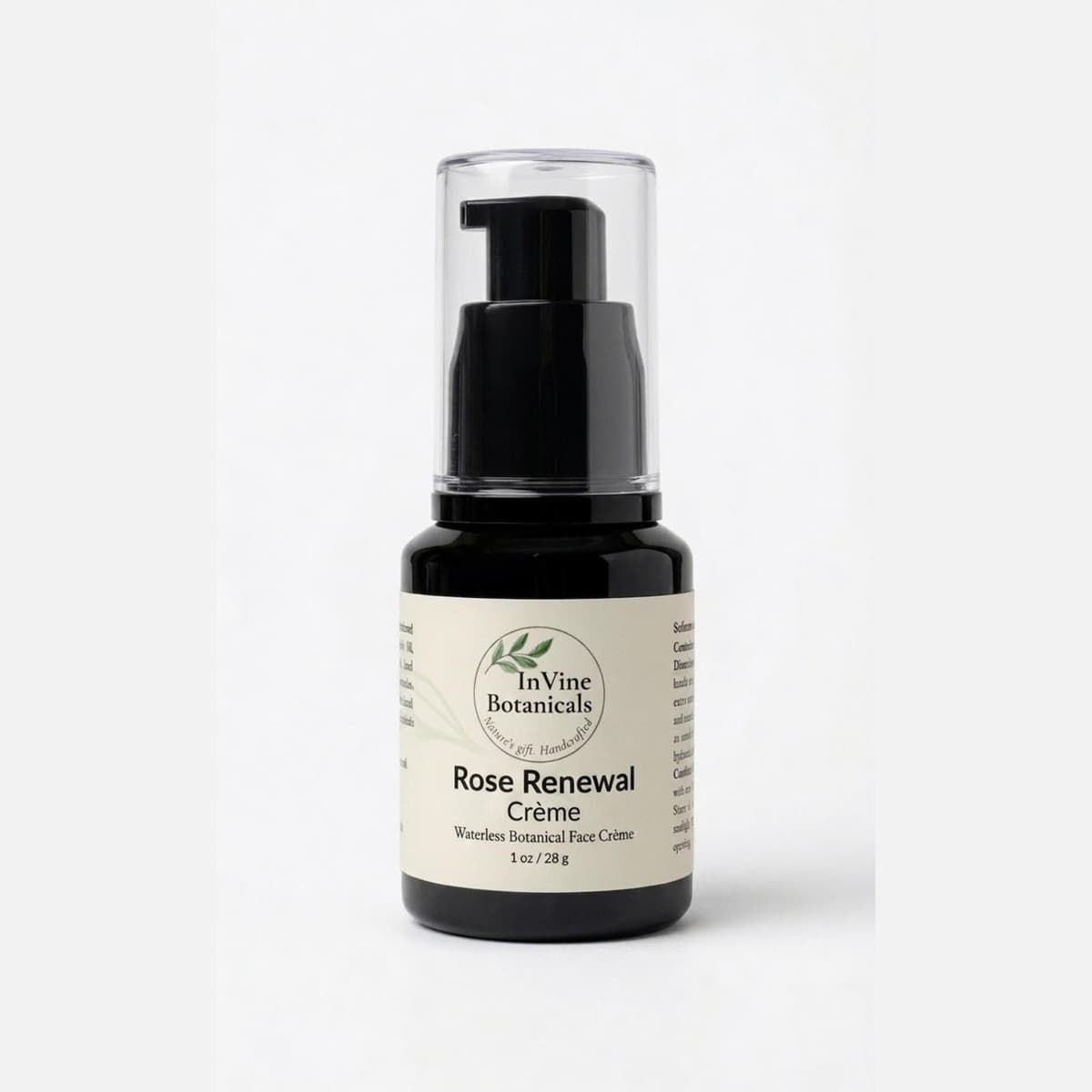
Prickly pear is the answer to that problem. Its lightness and fast absorption cut the richness of the butter, so the finished crème still melts in rather than sitting on top. That's why it appears in both the Rose Renewal Crème and the Moringa w/ Echinacea Face Cream ($49 each).
One important piece of honesty about provenance: we do not grow this one. Every herb in our formulas comes out of our Tallahassee garden, but prickly pear seed oil is sourced, from the highest-quality suppliers we can find, the same way we source our organic olive, coconut, apricot kernel, and grapeseed oils, our mango butter, and our beeswax from a local beekeeper. The garden grows the herbs. The oils they're infused into come from people who do that one thing well. (Why the carrier oil is half the formula.)
How to Buy It, If You're Buying It Straight
If you want to try the oil on its own rather than in a formula, three things separate the real thing from the expensive disappointment:
- Cold-pressed, and it says so. Heat extraction is cheaper and degrades the oil.
- The botanical name on the label (Opuntia ficus-indica), not just "prickly pear."
- A price that makes sense. If a bottle is suspiciously cheap for the size, the oil has been cut with something. The yield doesn't lie.
Use a few drops, pressed into damp skin. It is one of the few luxury oils where "a little goes a long way" is a fact about the oil rather than a line from the brochure.
Every ingredient in our jars, grown or sourced, is listed with its origin on our ingredients page.