The best natural face cream for mature skin is built on plant oils and butters rather than water, skips synthetic fragrance entirely, and is rich enough that skin still feels comfortable hours later. Below: what actually matters on the label after 40, and honest picks at every price, most of them not ours.
Skin changes with the decades. It tends to hold less moisture, feel thinner, and telegraph a dry afternoon more loudly than it did at 25. The beauty industry's response has been a wall of products shouting promises at "mature skin," most of them the same water-first formulas with a new label. (We read the biggest of them all, ingredient by ingredient, in our honest look at Olay Regenerist.) As an herbalist who formulates for this exact customer, and as a woman using these creams myself, here is the honest version.
What Actually Matters in the Jar After 40
Four things, and none of them are miracle ingredients:
Oil content, not water content. Most conventional creams are more than half water. Water evaporates; oils and butters stay and do the work. The higher the plants sit on the ingredient list, the more the cream can actually give your skin. The most concentrated version is a waterless creme, where there is no water at all.
No synthetic fragrance. "Parfum" on a label can legally hide dozens of compounds, and fragrance is among the most common reasons a cream suddenly doesn't agree with your skin. Mature skin tends to be less forgiving of it, not more. Look for fragrance-free, or formulas scented only by their own botanicals.
Richness you'll actually wear. The best cream is the one you use nightly without thinking about it. Too light and dry skin asks for more by noon; too greasy and you'll quietly stop using it.
Honest language. No cosmetic cream reverses time, ours included. What a good one genuinely does: softens the look of fine, dry lines, leaves skin feeling supple, and makes the face you already have look rested. That is worth paying for. Anything promising more belongs to a different aisle.
Honest Picks, Most of Them Not Ours
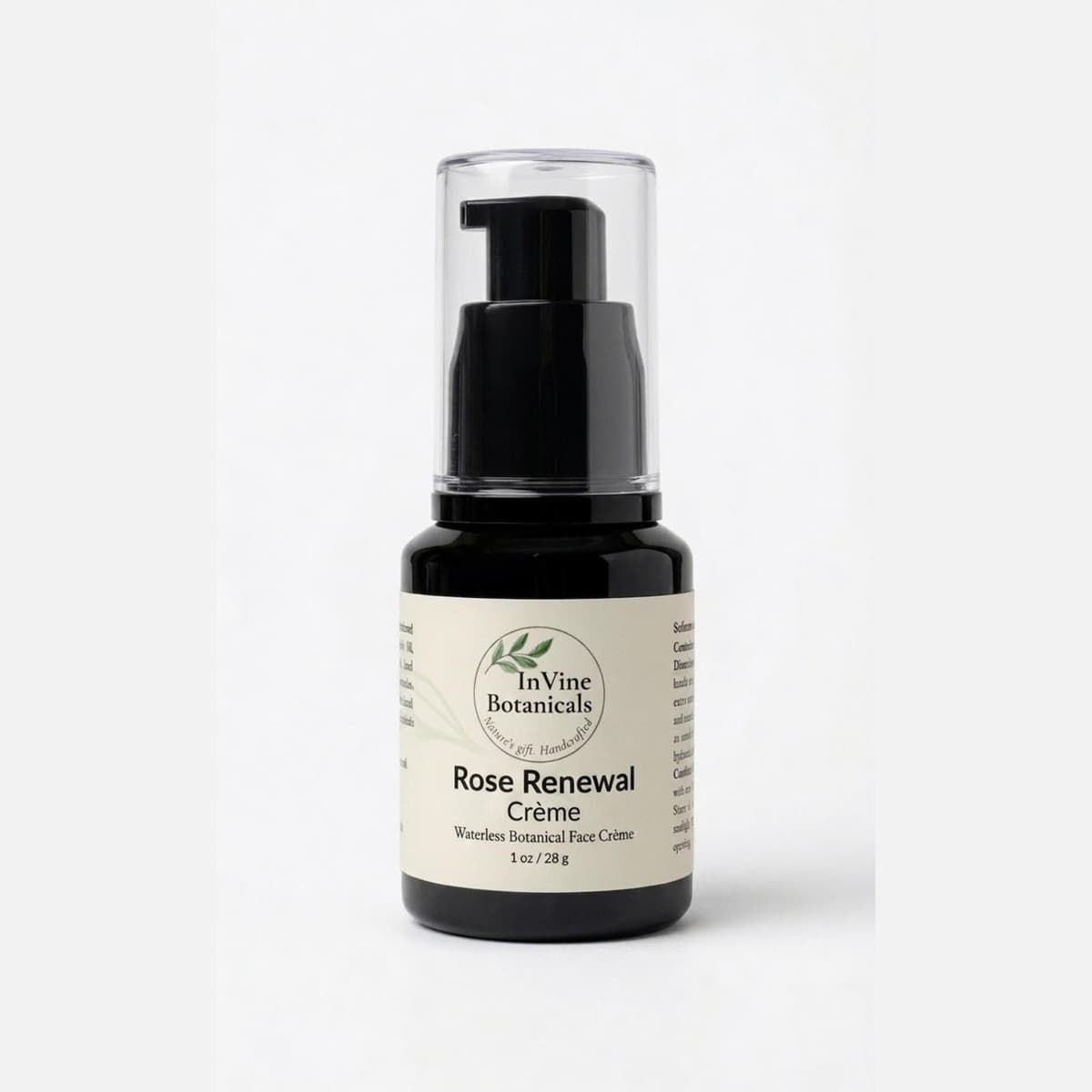
1. Rose Renewal Crème ($49), ours, for the ritual-lover. Roses from our own Tallahassee garden, slow-infused whole for six to eight weeks, in a waterless base of mango butter and prickly pear seed oil, finished with a breath of ylang ylang. It is the most romantic jar we make and the one our over-50 customers reorder most. No water, no synthetic fragrance, no beeswax (none of our face products use it). The full rose story is here.
2. Weleda Skin Food, the drugstore classic. The green tube has been in production since 1926 for a reason: sunflower and sweet almond oils with chamomile, calendula, and rosemary extracts, at a pharmacy price. Know two things going in: it is thick to the point of dividing opinion, and it contains lanolin, which matters if you avoid animal-derived ingredients or react to wool. As a budget rich cream, it has earned its cult.
3. A single-plant facial oil, the minimalist route. If creams feel like too much, one good cold-pressed oil (rosehip and prickly pear are the two with the best reputation for mature skin) patted onto damp skin is the simplest natural routine there is. Buy from a seller who states the botanical name and pressing method on the label.
4. Moringa w/ Echinacea Face Cream ($49), ours, for the morning minimalist. Garden moringa and echinacea in the same waterless architecture as the Rose, with the quietest scent in our line. What moringa actually brings to a formula is here. If you want one jar that works under sunscreen and makeup, this is the one.
5. Egyptian Magic, the six-ingredient veteran. Olive oil, beeswax, honey, bee pollen, royal jelly, propolis. It is a balm rather than a cream, heavy and best as an overnight or spot treatment, but the label is admirably short and the formula hasn't changed in decades. A reasonable pick if bee-derived ingredients suit you.
6. A tallow balm, if that's your lane. The traditional-skincare corner has revived grass-fed tallow balms, and for some very dry skin they work beautifully. They are animal-based by definition and the scent is distinctly warm; know your preferences before gifting one to yourself. We compared tallow balm with the plant-butter path in full, if you are weighing that lane.
7. The make-it-yourself route. A simple whole-herb infused oil is genuinely something you can make at home with garden herbs and patience. Our free whole-herb infusion guide walks through the method we use, scaled to a kitchen.
How to Switch Without Regret
Move one product at a time, patch-test on the inner wrist for 24 hours, and give a new cream two full weeks before judging it: richer naturals sink in differently than silicone-slip formulas, and the first three days aren't the real verdict. Nights are the lowest-stakes place to start.
And whichever direction you go, read the label the same way: where is the water, where are the plants, and is there anything in the jar you wouldn't be able to explain? Every ingredient in ours is listed with its source on our ingredients page, most of the herbs grown a few steps from where the cremes are made.
Your face at 40, 50, or 60 doesn't need to be fought. It needs to be fed well. That, a good cream can honestly do.
Rose Renewal Crème, $49 → · Moringa w/ Echinacea Face Cream, $49 →