Peppermint & Spearmint: The Cooling Herb Duo Your Skin Will Love
By Janice, Herbalist & Founder
There's something almost magical about the moment a peppermint-infused balm meets warm skin. That immediate, airy coolness, the kind that makes you close your eyes and exhale, isn't a trick or an added fragrance. It's chemistry, botany, and a little bit of Florida sunshine all working together.
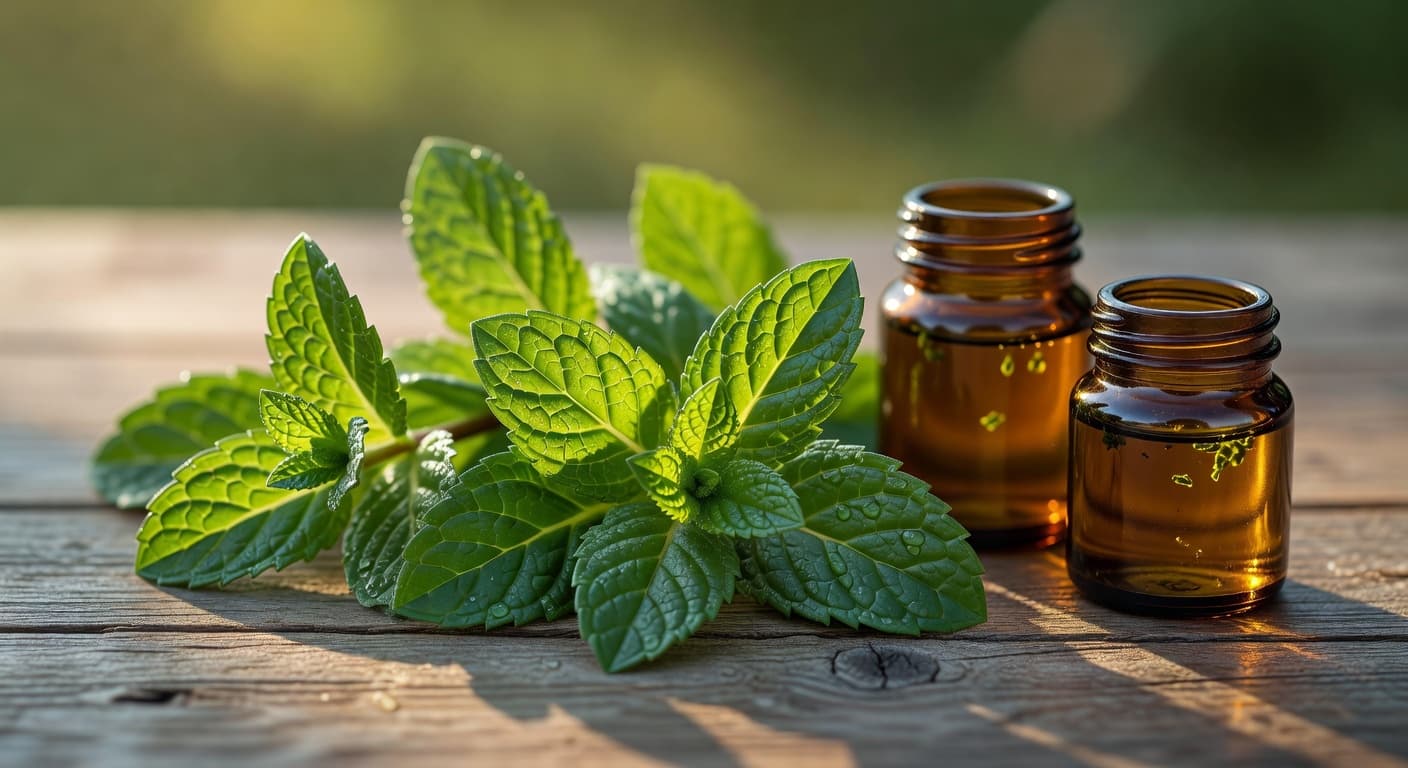
I grow both peppermint and spearmint right here in my Tallahassee garden, and I'll be honest: they're among my absolute favorite herbs to harvest. On a hot Florida morning, just brushing past them releases that signature cool-green scent into the air. It's an experience that never gets old, and one I've been working for years to capture authentically in every small-batch product I make.
Today I want to go deep on these two beautiful cooling herbs, what makes them different, what makes them complementary, and why the way they're prepared for your skin matters enormously.
First, Let's Clear Something Up: Peppermint and Spearmint Are Not the Same Herb
I hear this often, and it's a perfectly understandable mix-up. Both herbs are members of the Mentha genus, both are cool and refreshing, and honestly, both smell wonderful. But they're distinct plants with meaningfully different chemistry, and that chemistry shapes how each one feels on your skin.
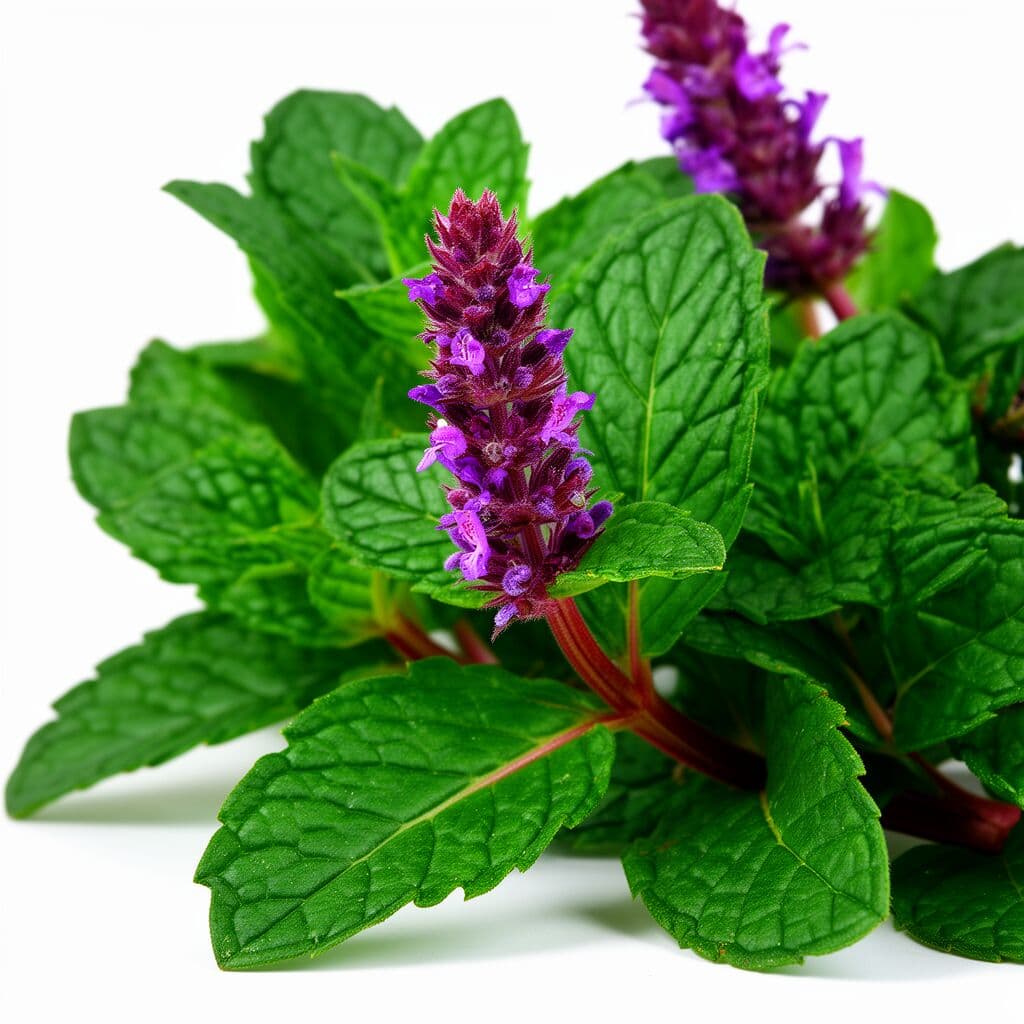
Peppermint (Mentha × piperita)
Peppermint is actually a natural hybrid, a cross between watermint and spearmint, which gives it a notably high menthol content, typically ranging from 35-55% of its essential oil composition. Menthol is the compound responsible for that sharp, intense, almost icy sensation you feel when peppermint contacts your skin.
Here's the fascinating part: menthol doesn't actually lower your skin's temperature. Instead, it binds to cold-sensitive receptors called TRPM8 receptors in the skin, essentially convincing your nervous system that the area feels cool. It's a sensory signal, not a temperature change, and it's remarkably effective. Research has explored menthol extensively for its interaction with these thermoreceptor pathways.
Beyond menthol, peppermint leaf also contains rosmarinic acid, flavonoids including luteolin and apigenin, and various polyphenols that have been of significant interest to researchers studying skin-relevant compounds.
Spearmint (Mentha spicata)
Spearmint is where things get interesting for those who find peppermint a bit intense. Spearmint contains far less menthol, usually under 1%, and instead gets its character primarily from carvone, a compound that delivers a gentler, softer, more rounded cool sensation. Think of the difference between a strong peppermint candy and a piece of spearmint gum. Both are refreshing; one is just more... assertive.
Spearmint also contains limonene, dihydrocarvone, and its own spectrum of flavonoids and rosmarinic acid. The overall sensory profile on skin is noticeably milder and more subtle, which makes it wonderful for those with more reactive or sensitive skin types, or for products where you want cooling without the intensity.
Why I Grow Both in the InVine Garden
I'm often asked why I bother growing and infusing both when most products choose one or the other. The honest answer is that they do different things, and I'm a firm believer in letting plants work together rather than asking one plant to do everything.
In formulations like my Spearmint Hand Cream, the soft, lingering coolness of spearmint is the perfect match for hands that need conditioning and a moment of sensory calm, without the sharp intensity that peppermint would bring to such a regularly used product.
In something like the Breathe Free Balm, peppermint's more pronounced menthol-forward character plays a central role in creating that unmistakable, bracing aromatic experience that makes the whole formula feel alive.
Using both herbs in my garden also means I can blend and balance across formulas, pulling from each plant's strengths depending on the intention of the product.
The Case for Whole-Herb Cold Infusion Over Essential Oil Dilution
This is the part of the conversation I care most about, so I want to take a moment to explain it properly.
Most botanical skin care products that feature peppermint or spearmint aren't actually infused with the herb itself. They're made by diluting peppermint or spearmint essential oil into a carrier base. That's a legitimate approach, and it certainly delivers scent and some degree of menthol sensation. But it captures only a narrow slice of what the whole plant contains.
Essential oils are volatile aromatic compounds, the part of the plant that evaporates, that you can smell, that you can steam-distill. They are not the whole plant.
Whole-herb infusion is something entirely different. At InVine, I pack carefully dried peppermint and spearmint leaves into carrier oils, primarily olive oil and coconut oil, and allow them to steep in cool, dark conditions for 6-8 weeks. This slow cold extraction draws out a much broader spectrum of the plant's constituents: the volatile aromatics, yes, but also the fat-soluble polyphenols, flavonoids, plant waxes, and chlorophylls that would never make it into an essential oil, and the absence of light protects every one of those constituents from photodegradation along the way.
The result is an infused oil that carries the full botanical character of the herb, richer, more complex, more nuanced than anything achievable through essential oil dilution alone. When I then add a small amount of peppermint or spearmint essential oil to complement the infusion, I'm layering depth onto depth. The essential oil amplifies what's already present in the infused base; it doesn't substitute for it.
This is what I mean when I say whole-herb infusion is the heart of everything I make at InVine.
What Does the Research Say About These Compounds?
I want to be careful here, because as a cosmetics maker I'm not in the business of making claims about what any ingredient will do for your health. But as an herbalist, I think it's genuinely interesting and worth sharing what the scientific community has been exploring.
Menthol has been widely studied for its interaction with TRPM8 cold receptors, and researchers have also explored its potential to transiently enhance skin permeability, meaning it may help other ingredients penetrate more effectively. This is one reason menthol appears in so many topical formulations.
Rosmarinic acid, found in meaningful concentrations in both peppermint and spearmint, has attracted substantial research attention. Scientists have studied it in the context of oxidative stress, skin aging, and its behavior as a polyphenol antioxidant. It's one of the compounds I find most compelling across the entire Lamiaceae (mint family) plant family, and it's worth noting that rosemary, another herb I grow and infuse, is also exceptionally rich in rosmarinic acid.
Carvone from spearmint has been studied for its aromatic and sensory properties, and researchers have also looked at its behavior in topical contexts, though much of this work is still early-stage.
None of this is me telling you these compounds will do specific things for your skin. It's me saying: these are real, complex plants with genuine scientific interest behind them, and that matters when you're choosing what goes on your body.
Sensory Experience as Self-Care
Here's something I believe deeply: the sensory experience of applying a beautiful, aromatic herbal product to your skin is itself a form of care that deserves to be taken seriously.
The cooling sensation from peppermint or spearmint on tired hands, sore feet, or warm summer skin is an experience. It's grounding. It's present-making. In a culture that's increasingly recognizing the value of sensory mindfulness and intentional self-care rituals, I think there's something profound about choosing products that offer genuine botanical experience rather than synthetic approximation.
When you apply the Spearmint Hand Cream and feel that soft, clean coolness settle into your skin, you're experiencing the actual volatile compounds from actual spearmint leaves that grew in actual Florida soil. That connection, plant to skin, garden to you, is something I never take for granted in this work.
Florida-Grown: Why It Matters for Mint
Mint's character is shaped powerfully by its growing environment. The intensity of sunlight, soil mineral content, humidity, and seasonal variation all influence the concentration and balance of volatile compounds in the leaf. Florida's subtropical climate, intense sun, long growing seasons, mineral-rich soil, produces mint with a particular vibrancy and oil richness that I find exceptional.
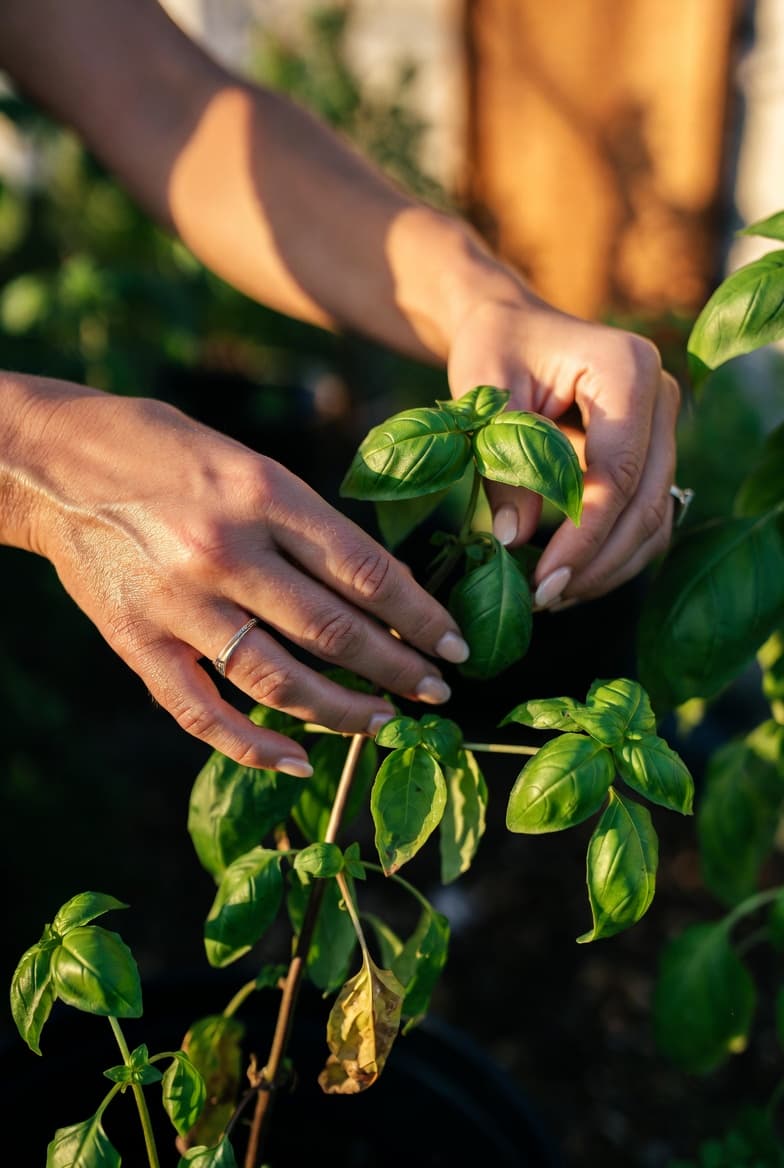
I harvest my peppermint and spearmint by hand, in the morning before the heat peaks, when volatile oil content is at its highest in the leaves. The fresh herb goes straight into the infusion jars the same day. This attention to timing and freshness is the kind of detail that doesn't show up on an ingredient list but absolutely shows up in the finished product.
Finding the Right Mint-Infused Product for You
If you're new to InVine or exploring which products might suit you, here's a simple guide:
For a gentler, everyday cooling experience: The Spearmint Hand Cream is formulated around spearmint's soft carvone-driven coolness. It's a conditioning, softening cream that's lovely for daily use on hands and anywhere skin needs moisture and a moment of calm.
For a more bracing, aromatic cooling experience: The Breathe Free Balm features peppermint alongside other aromatic herbs for a more invigorating sensory experience. It's a balm I reach for personally on stuffy afternoons when I want something refreshing and grounding.
For muscle areas after activity: The Muscle Revive Balm incorporates peppermint alongside warming herbs like ginger and cayenne, a beautiful interplay of hot and cool sensations that makes it one of my most interesting formulas to apply.
And if you'd love to explore the full range, the Premium Gift Set is a wonderful way to experience the breadth of what whole-herb infusion can offer across different formulas.
A Final Note from the Garden
Peppermint and spearmint have been valued by humans for thousands of years, across cultures, across continents, across countless traditions of preparing and applying herbs. There's a reason these plants have remained beloved for so long. They offer something genuinely pleasant, genuinely complex, and genuinely connected to the living world.
When I grow them here in Tallahassee, harvest them by hand, and slow-infuse them in Florida-pressed oils, quietly, in the dark, for weeks, I feel like I'm participating in a very long, very beautiful conversation between people and plants.
I'm glad you're part of it.
, Janice
All InVine products are handcrafted in small batches in Tallahassee, Florida using whole herbs grown in the InVine garden. Peppermint and spearmint are cold-infused into carrier oils for 6-8 weeks in the dark, never substituted with essential oil dilution alone.