"Botanical" is one of those skincare words that sounds specific but rarely means anything. A drugstore lotion can put "botanical" on the label because there's chamomile extract on ingredient line 17. A luxury serum can do the same because there's a drop of rose essential oil somewhere in the formula. The word survives because it suggests plant ingredients without obligating the brand to anything in particular.
There is a stricter meaning, though, and it's worth knowing. Botanical skincare is skincare built around whole plants, leaves, flowers, roots, stems, as the structural ingredients of the formula, not as decoration. That's the version that matters, and it's the version I'll walk through here.
Botanical, plant-based, natural, organic, what's the difference?
These four words sit in overlapping space and brands love to use them interchangeably. They mean different things:
- Natural has no regulated definition in skincare. A brand can call almost anything natural. The word tells you very little.
- Plant-based is a structural claim, the formula is built on plant ingredients (oils, butters, extracts) rather than petroleum derivatives or synthetic actives. Broader category that includes botanical.
- Botanical is a stricter cousin, the formula uses whole plant material (the leaves, flowers, roots of identified species), not just plant-derived oils. It's about the plant matter itself.
- Organic is the regulated claim. It refers to certified growing and processing standards, USDA, COSMOS, Soil Association, ACO, NATRUE. The certification is what makes the claim mean something.
A formula can be plant-based without being botanical (an olive oil moisturizer with no herbs in it). A formula can be botanical without being organic (whole herbs from a garden that isn't certified). And almost anything can be called natural without being either.
For more on the plant-based side of this map, see our pillar guide.
What makes a skincare formula actually botanical
A few markers separate genuinely botanical formulas from the ones using the word as decoration:
1. The plant material is identified, not abstract.
A real botanical formula will list specific plants by common name and Latin binomial: rosemary (Rosmarinus officinalis), lemon balm (Melissa officinalis), moringa (Moringa oleifera). The Latin binomial is the giveaway, brands that put the science back in the marketing are usually telling the truth about what they put in the jar.
2. The extraction method is named.
Botanical compounds get into skincare through several paths: essential oil distillation, CO₂ extraction, solvent extraction, or whole-herb infusion in carrier oils. Brands that take their plants seriously usually name the method. If the label just says "extract" with no further detail, the brand is asking you to take the plant story on faith.
3. The ingredient list is short.
This isn't a hard rule, but it's a strong tendency. Truly botanical formulas usually have 4-10 ingredients. A skincare product with 25 ingredients that lists "botanical extracts" as one of them is using the word as decoration.
InVine's version of botanical skincare
This is where I should be specific about the brand I run. InVine Botanicals is botanical in the strict sense:
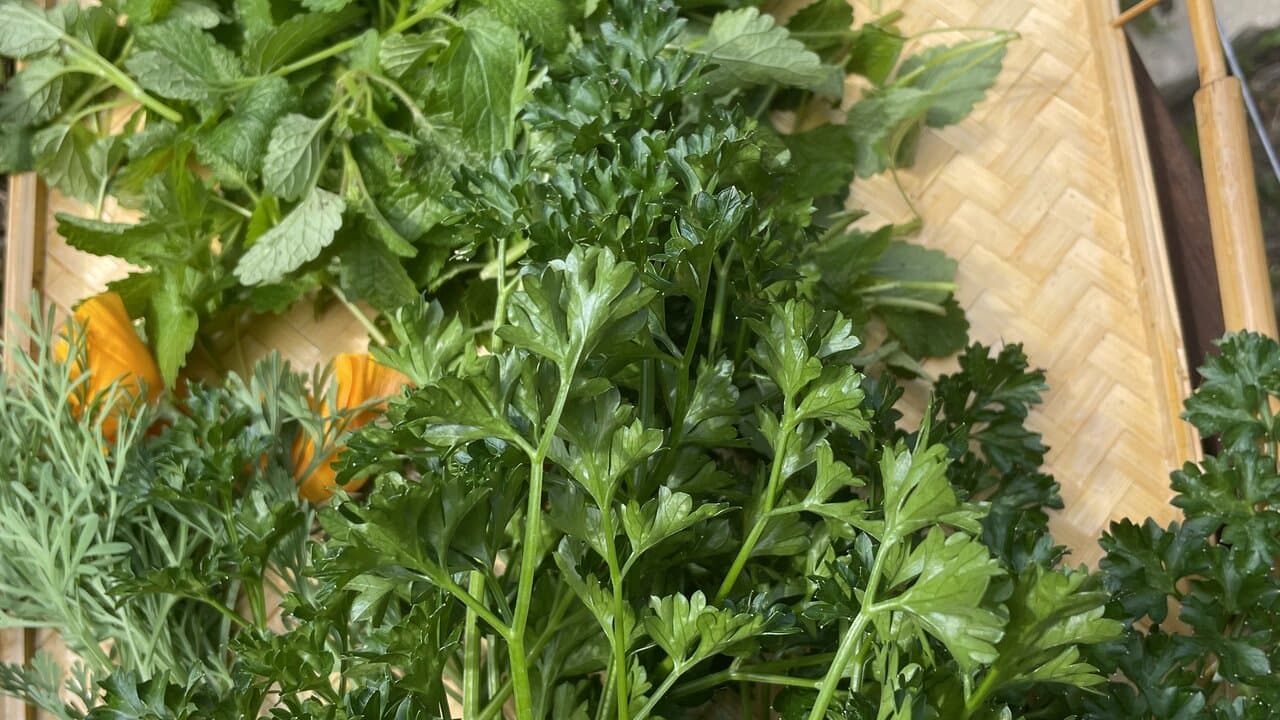
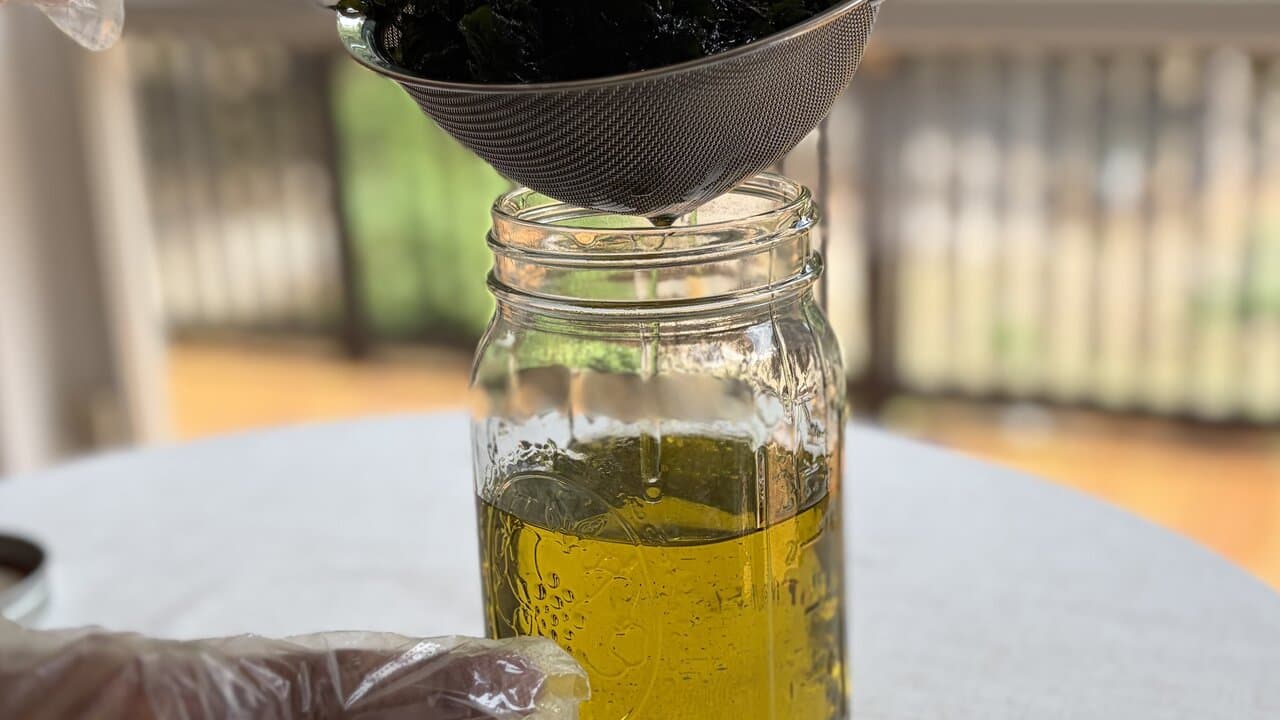
Every formula starts with whole herbs grown in our Tallahassee, Florida garden. We harvest at peak season, dry the herbs in our humidity-controlled drying room (76°F, 35% humidity, complete darkness), and then slow-infuse them into organic cold-extracted olive oil and unrefined virgin coconut oil for 6-8 weeks in cool, dark conditions. The infused oil is blended with locally-sourced beeswax from a Tallahassee beekeeper and Vitamin E as a natural antioxidant.
The herbs currently in our formulas:
Lemongrass (Cymbopogon citratus), lemon balm (Melissa officinalis), rosemary (Rosmarinus officinalis), sweet basil (Ocimum basilicum), lemon mint (Monarda citriodora), peppermint (Mentha × piperita), spearmint (Mentha spicata), lemon thyme (Thymus citriodorus), ginger (Zingiber officinale), turmeric (Curcuma longa), cayenne (Capsicum annuum), moringa (Moringa oleifera), echinacea (Echinacea purpurea), holy basil/tulsi (Ocimum tenuiflorum), Thai basil (Ocimum basilicum var. thyrsiflora), and rose (Rosa).
The plants are the structural ingredients. They aren't sprinkled in for marketing, they're the body of every formula.
The extraction method that defines our approach
InVine uses whole-herb infusion as the foundational extraction method. This matters because it shapes what "botanical" actually means in practice.
Most skincare brands labeled "botanical" use essential oils as their plant input. Essential oils are concentrated aromatic compounds extracted from plants through steam distillation. A drop carries the volatile fraction of the plant, its scent and the most aromatic molecules, but leaves behind most of the plant's other compounds: the fat-soluble flavonoids, the carotenoids, the heavier terpenes, the waxes.
Whole-herb infusion takes the slower path. The dried herb sits in carrier oil for weeks, and the oil gradually draws out a broader spectrum of the plant's fat-soluble compounds. The result is a botanical oil that carries the fuller plant character, not just the aromatic top notes.
For a deeper read: Essential Oil Dilution vs. Whole-Herb Infusion covers the chemistry in more detail.
Both approaches qualify as botanical. They produce different products. For sensitive skin in particular, the gentler concentration profile of whole-herb infusion is often the difference between a botanical formula that works and one that triggers a reaction. More on that here.
How to read a botanical skincare label honestly
Three questions to ask when a product calls itself botanical:
1. Can you name three specific plants in the formula?
If the front of the label says "botanical" but the back of the label uses vague terms like "natural extracts" or "plant complex" without naming the plants, the word is doing marketing work, not formulation work.
2. Does the brand name an extraction method?
"Olive oil infused with rosemary" or "rosehip oil cold-pressed from..." or "whole-herb infusion of...", these tell you how the plants got into the jar. The absence of method language usually means there's a standard industrial extract somewhere upstream and the brand prefers not to detail it.
When botanical skincare is the right choice
Botanical skincare made on the whole-plant model tends to be the right fit when:
- You want skincare with a short, readable ingredient list
- Your skin responds well to slow-extracted plant oils
- You want to know what farm or garden the plants came from
- You're comfortable with a slightly slower aesthetic (no clinical actives, no overnight changes)
Botanical skincare is not the right fit when:
- You're treating a specific dermatological condition (botanical skincare is cosmetic, not medical)
- You want clinical-strength actives at specific concentrations
- You need the speed of a synthetic-actives regimen
This isn't a moral hierarchy. It's a fit question. Plenty of people use both botanical skincare and clinical actives in different parts of their routine.
Where this fits in the broader picture
If you want to see how botanical skincare connects to the wider plant-based skincare category, our plant-based skincare pillar guide maps the whole landscape, what plant-based means, how it differs from vegan, and what to look for on a label.
If you want to read more from InVine's side of the work:
The honest summary
Botanical skincare, used carefully, is a meaningful term. It means the formula is built around whole plants, identified by species, present in significant proportion, extracted through a method the brand can name. Used loosely, it's marketing.
The brands worth following are the ones that earn the strict version of the word. That's the version we try to make at InVine, and it's the version worth looking for when you're shopping the category.
A genuinely botanical formula will tell you the plant, the source, and the method. If you have to read the marketing to find the plant story, the plants probably aren't doing the work the label suggests.