Most herbalism guides will tell you to put your jar of herbs and oil in a sunny window. Search "how to make herbal infused oil" and you'll find dozens of tutorials describing the same ritual: dried plant material, carrier oil, glass jar, sunny windowsill, four to six weeks.
We don't do that. Every InVine Botanicals oil is infused in the dark, cool, shaded, no direct light, for 6-8 weeks depending on the herb used in the infusion. This isn't an aesthetic choice. It's a chemistry choice, and the difference shows up in the finished oil.
The Four Main Ways to Pull Plant Compounds Into Oil
Before getting into why we chose cold/dark, it helps to see all four standard methods side by side.
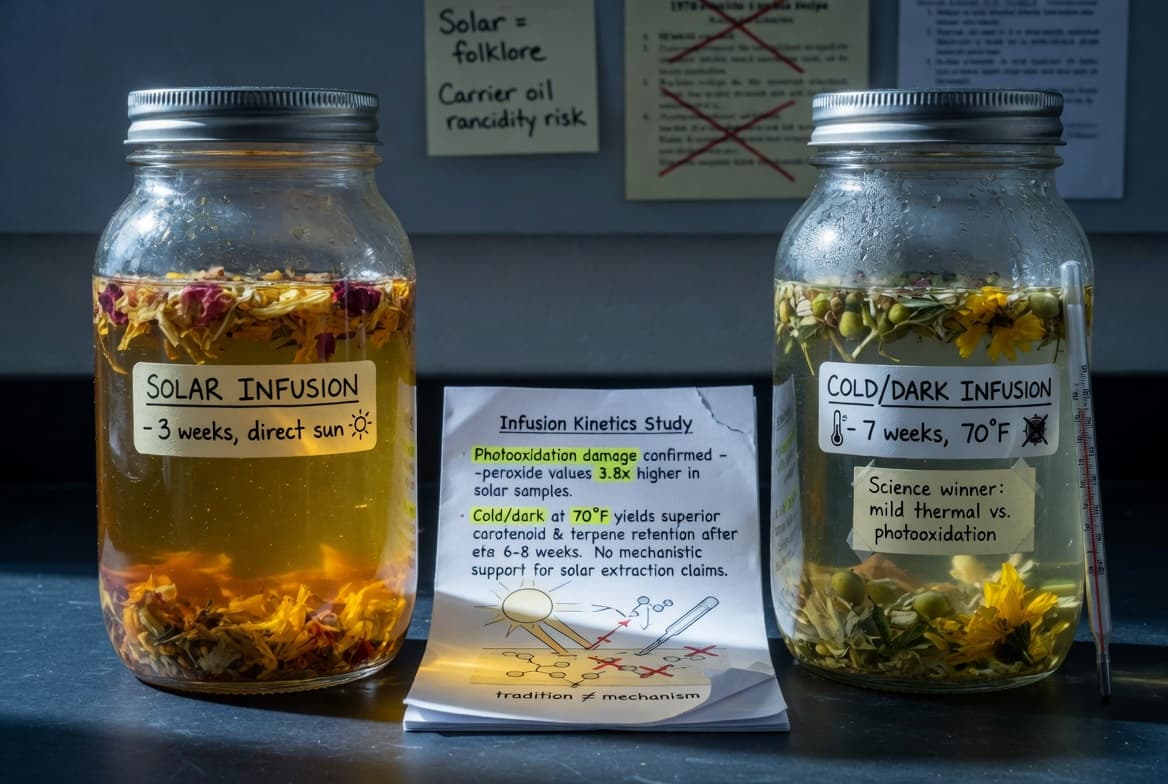
1. Solar (sun-window) infusion. Dried herbs in oil, sealed jar, sunny windowsill, 4-6 weeks. The most common DIY method in modern herbalism literature. Sustained low warmth from the sun aids extraction; the visible spectrum and UV component are part of the package.
2. Cold/dark slow infusion. Dried herbs in oil, sealed jar, cool dark cabinet or pantry, 6-8 weeks depending on the herb used in the infusion. Same basic mechanism (passive maceration over time), but no light exposure and no sustained warmth. This is how most professional herbalists making product for sale infuse, and it's how InVine works.
3. Heat infusion (double boiler, low oven, slow cooker). Direct heat at 100-160°F for hours or days. Fast, sometimes a single afternoon. The trade-off is that heat drives off volatile aromatics and can degrade thermally sensitive compounds.
4. Solvent extraction (alcohol tincture, supercritical CO₂). Not an oil infusion at all, uses ethanol or pressurized CO₂ to pull a different fraction of the plant's chemistry. Industrial extraction methods, mostly used for tinctures and standardized extracts rather than topical oils.
Each method has a place. Cold/dark is the right one for high-quality skincare oils, and here's why.
What Light Actually Does to Oil
Carrier oils, olive, coconut, sweet almond, jojoba, are not chemically inert. They are mostly fatty acids, and fatty acids react to light.
The most studied effect is photo-oxidation of polyunsaturated fatty acids (PUFAs). When light (especially UV and blue wavelengths) hits unsaturated bonds in fatty acid chains, it accelerates the formation of free radicals and lipid peroxides. The chemistry is well documented in food science, it's the same reason olive oil ships in dark green bottles and is stored away from light. Sustained light exposure during a multi-week infusion gives those reactions weeks of runway.
A solar-infused oil isn't necessarily rancid when you strain it. But it has started further down the oxidation path than a dark-infused oil from day one. That shows up in shelf life, in the eventual development of off-notes, and in the antioxidant capacity remaining in the finished oil, which matters because some of those antioxidants are exactly what we're trying to extract from the plant in the first place.
What Light Does to the Plant Compounds
The fatty acid story is half the picture. The other half is what light does to the constituents we're actually trying to extract from the herbs.
Chlorophyll is photosensitive. It degrades under sustained light exposure and, in the process, can act as a photosensitizer that accelerates oxidation of nearby molecules. Many herbal oils, especially those infused from green leafy material like peppermint, basil, lemon balm, get their characteristic green tint from chlorophyll. Fresh, deep green oil has chlorophyll intact. Olive-yellow or brown-tinged oil from a "successful" solar infusion has chlorophyll that's been partially destroyed.
Many flavonoids are subject to photolysis. Quercetin and related flavonoids degrade under UV exposure. These are exactly the kind of fat-soluble plant constituents that herbalists value in infused oils.
Volatile terpenes, the aromatic fraction that gives herbs their characteristic scent, are the most fragile of all. Light, heat, and oxygen all degrade them. A carefully cold-infused rosemary oil retains a brighter, sharper aromatic profile than the same herb infused in sunlight for the same number of weeks. You can smell the difference if you compare them side by side.
The general principle: most of what makes a freshly harvested herb chemically interesting is exactly the kind of molecule that doesn't survive light exposure well. Putting a jar of herbs in oil into sunlight for six weeks is asking those molecules to do something they're not built for.
What About the Sustained Warmth?
Solar advocates often point out, correctly, that the sun provides gentle, sustained warmth that aids extraction. The thermal cycling of warm days and cool nights does mechanically help compounds migrate from plant material into the surrounding oil.
This is true. It's also the easy part to replicate without the light. Room temperature in a typical pantry (65-75°F) over 6-8 weeks gives plenty of thermal energy for diffusion to do its work. The slower you go, the more time you give the diffusion gradient to equilibrate. We trade speed for compound integrity.
The tradeoff is straightforward: solar gets you faster extraction with light damage. Cold/dark gets you slightly slower extraction with the compounds intact.
The 6-8 Week Cold/Dark Protocol
Different herbs need different infusion windows. Here's roughly how the timing maps out, by plant type:
- Soft, leafy aerial parts (basil, lemon balm, mints): 6 weeks is usually sufficient. The leaves break down and release compounds quickly.
- Resinous or woody herbs (rosemary, thyme, oregano): closer to 8 weeks. The carrier oil needs longer to penetrate the denser plant tissue.
- Roots and rhizomes (turmeric, ginger): a full 8 weeks. Roots are the slowest to give up their compounds.
The herbs are well-dried (low moisture matters, water in the oil grows mold), packed into clean glass jars, covered with cold-pressed organic olive oil, sealed, and stored in a closed pantry away from any direct light. We agitate them periodically to keep the plant material in contact with fresh oil. After the infusion period, we strain through fine mesh and cheesecloth, settle, decant the clear oil off any residual water at the bottom, and the oil is ready to formulate into balms.
No solar exposure. No applied heat. No solvents. Just time, in the dark.
What You'd Notice in the Finished Oil
If you compared two jars of the same herb, one solar-infused, one cold/dark-infused, same olive oil base, same 6-8 week timeline, you'd notice a few things:
Color. The cold/dark version stays greener (for leafy herbs) or holds its golden tone (for roots like turmeric). The solar version trends olive-yellow, brown, or muddy.
Aroma. The cold/dark version smells brighter and more like the original herb. The solar version smells flatter, sometimes with a faint cooked or oxidized note layered over the herbal scent.
Shelf life. The cold/dark version, properly stored, holds its character for considerably longer before any oxidation off-notes develop.
The feel on skin. A cold/dark-infused olive oil feels lighter, less heavy, and absorbs more cleanly than an oxidized infusion. This is because the lipid structure of the oil is closer to its original state.
These are the differences that drove our choice of method, and that we think customers feel, whether they know the chemistry or not, when they use the finished balm.
Why Solar Persists in DIY Herbalism
If cold/dark is the better method, why does almost every popular herbal-oil tutorial recommend the sunny window?
A few reasons. First, it's visually satisfying, you can see the jars working. Second, in pre-electric eras and in warm climates, sunlight was the most reliable steady-warmth heat source available. Third, the modern DIY herbalism tradition has a strong romantic streak, and the image of glass jars warming on a windowsill carries weight that "jars in a closed cabinet" doesn't.
These aren't bad reasons. For a small batch made for personal use with herbs you grew yourself, solar infusion is fine, the light damage is real but bounded, and the convenience is real too.
For a product we sell to customers under our name, with shelf life expectations and a price point that reflects the work behind it, cold/dark is the right call. We'd rather make a slightly slower, slightly more inconvenient infusion that delivers a finished oil closer to the plant we started with.
Try It Yourself
If you want to make a cold/dark infused oil at home, the protocol is in our free whole-herb infusion guide. It walks through the full method, sourcing dried herbs, choosing carrier oils, the 6-8 week dark-pantry infusion, straining, and storing, with the rosemary olive oil recipe we use as our reference.
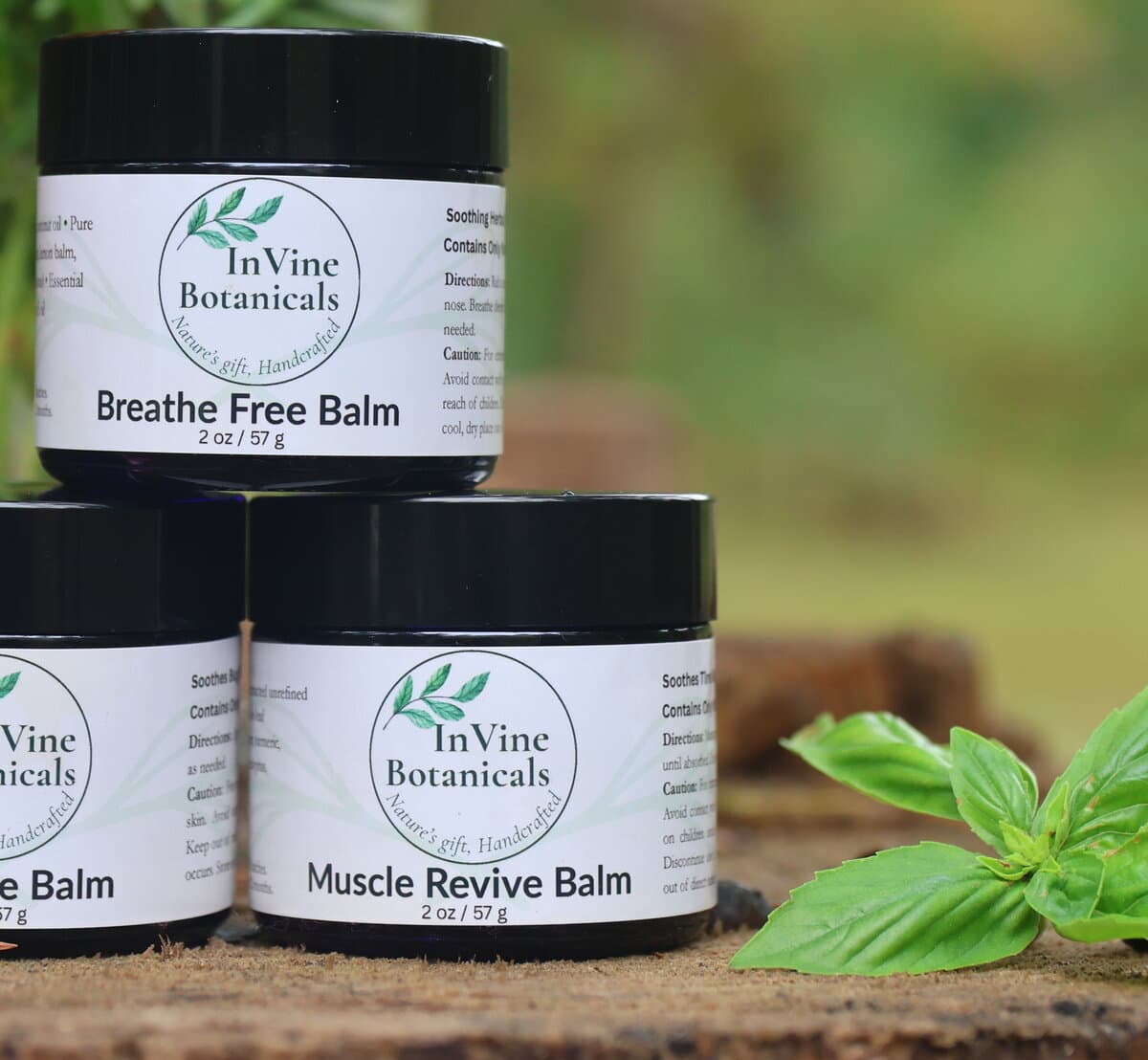
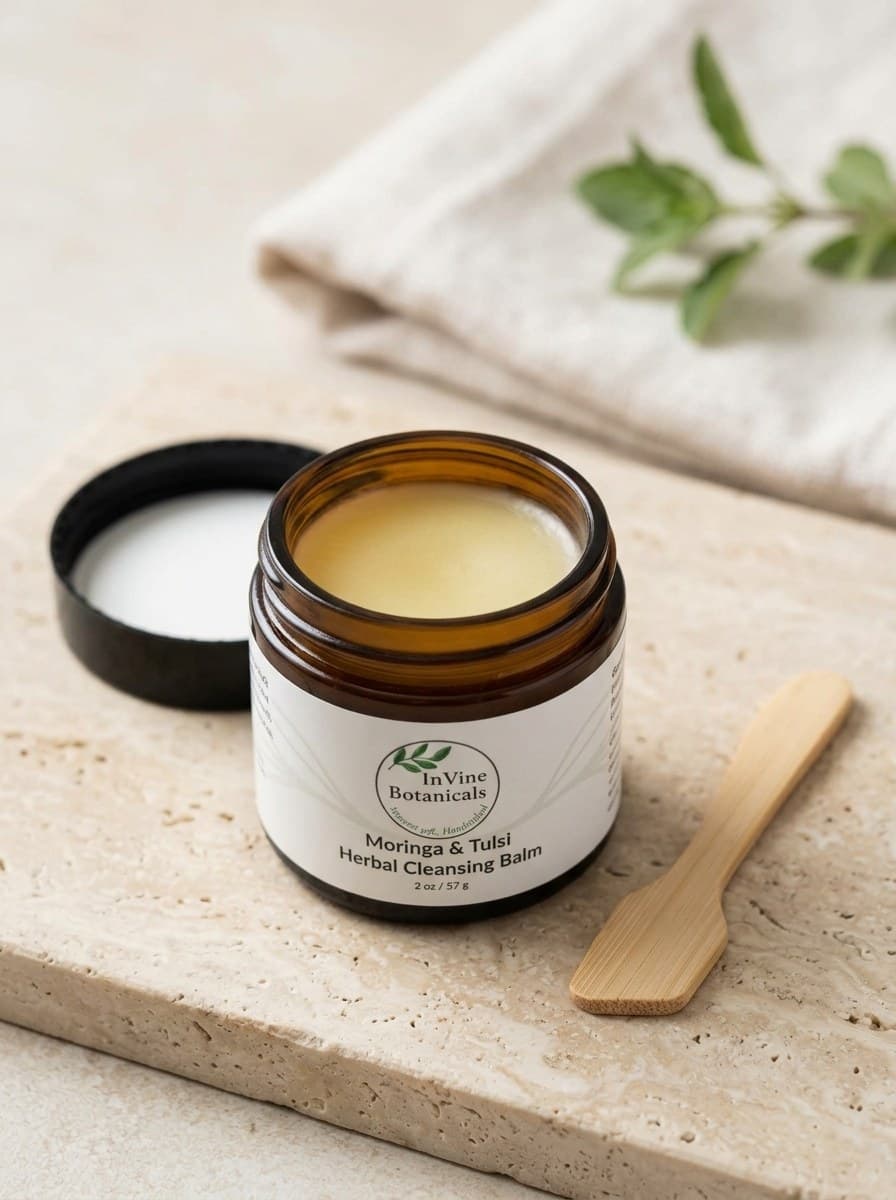
Or, if you'd rather try the finished product, every balm in our shop starts with a cold/dark-infused base oil from our own Tallahassee garden.
The jar in the cabinet isn't waiting either. It's just doing its work without an audience.