Olive oil is one of the oldest skincare ingredients in the world, Mediterranean cultures have worked it into skin and hair for thousands of years. But "ancient and trusted" isn't the same as understanding what it's actually doing. So here is a straight look at what olive oil does on skin, what the research points to, and where it fits (and where it doesn't).
First, What "Does Something" Means for a Cosmetic Oil
Olive oil is a cosmetic ingredient, not a medicine, and the honest way to talk about it is in cosmetic terms: it moisturizes, conditions, and softens skin, and it has a feel and a chemistry worth understanding. Where research is mentioned below, it is about the oil and its compounds, not a claim that a bottle of olive oil treats anything.
Oleic Acid: The Backbone
Olive oil is roughly 70-80% oleic acid, an omega-9 monounsaturated fatty acid. Oleic acid has a relatively small, elongated molecule, which lets it move into the outer layers of the skin rather than sitting entirely on top. That is part of why olive oil feels less like a film and more like it sinks in.
It is also why olive oil makes such a good base for infusing botanicals: the same property that helps it move through the skin's surface lipids helps it draw fat-soluble plant compounds out of herbs during a slow infusion.
Polyphenols: Olive Oil's Own Antioxidants
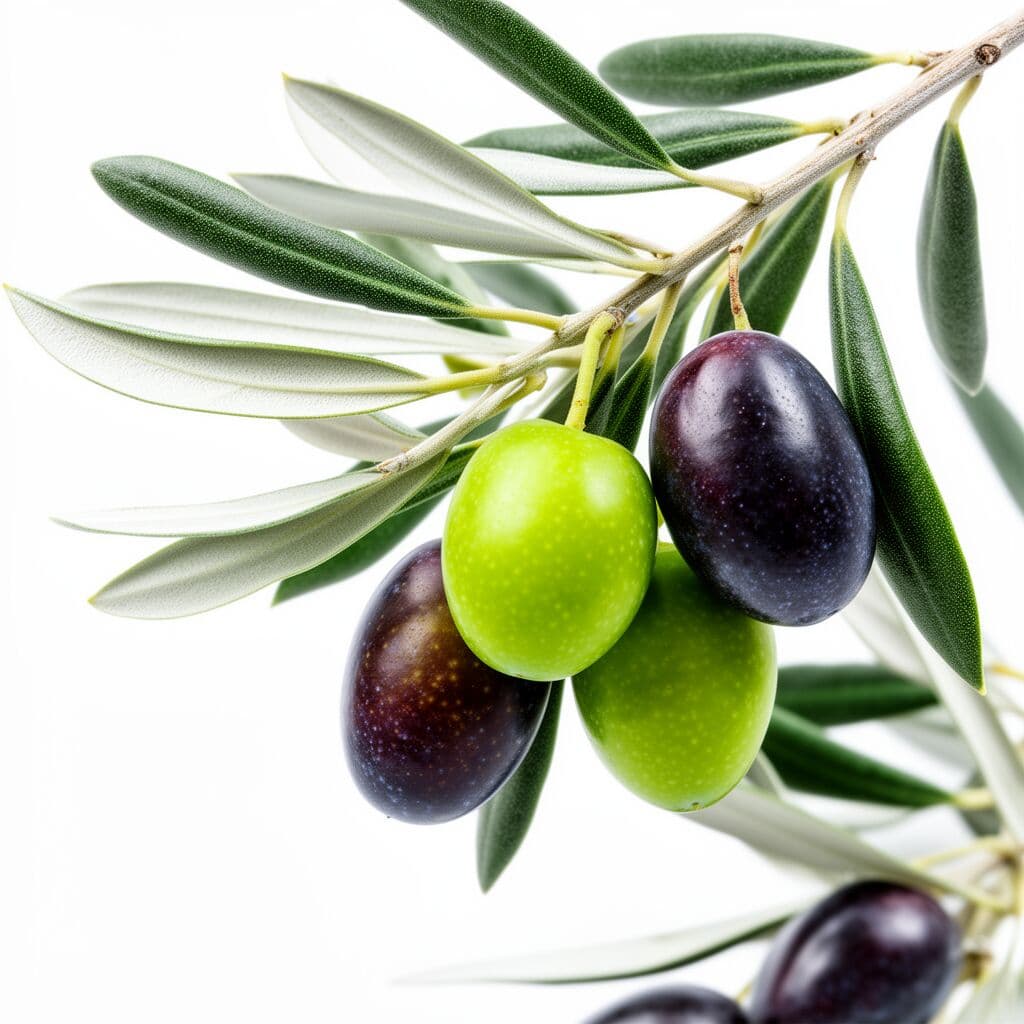
Here is the part most people miss. Beyond fatty acids, cold-pressed olive oil carries polyphenols, notably hydroxytyrosol and oleuropein. These are antioxidant compounds the olive fruit makes, and research has explored them for their antioxidant and skin-conditioning activity. They are a reason a real olive oil contributes something of its own, independent of anything added to it.
The catch: polyphenols are fragile. They survive in cold-pressed, extra virgin oil and are largely stripped out by the heat, bleaching, and deodorizing that produce refined oil. Which leads to the single most important thing on a label.
Extra Virgin vs. Refined: Why Grade Matters
"Olive oil" on an ingredient list can mean very different things:
- Extra virgin / cold-pressed: mechanically pressed without heat or solvents. Keeps its polyphenols, its fuller fatty-acid profile, and its faint green character.
- Refined / pomace: chemically extracted and purified. More neutral, more shelf-stable, and stripped of much of what made it interesting.
Both will moisturize. Only the cold-pressed version brings the antioxidant polyphenols. If a product is built on olive oil, the grade is the difference between a functional base and a cheap one. (Here is why the carrier oil is half of any balm's formula.)
How We Use Olive Oil
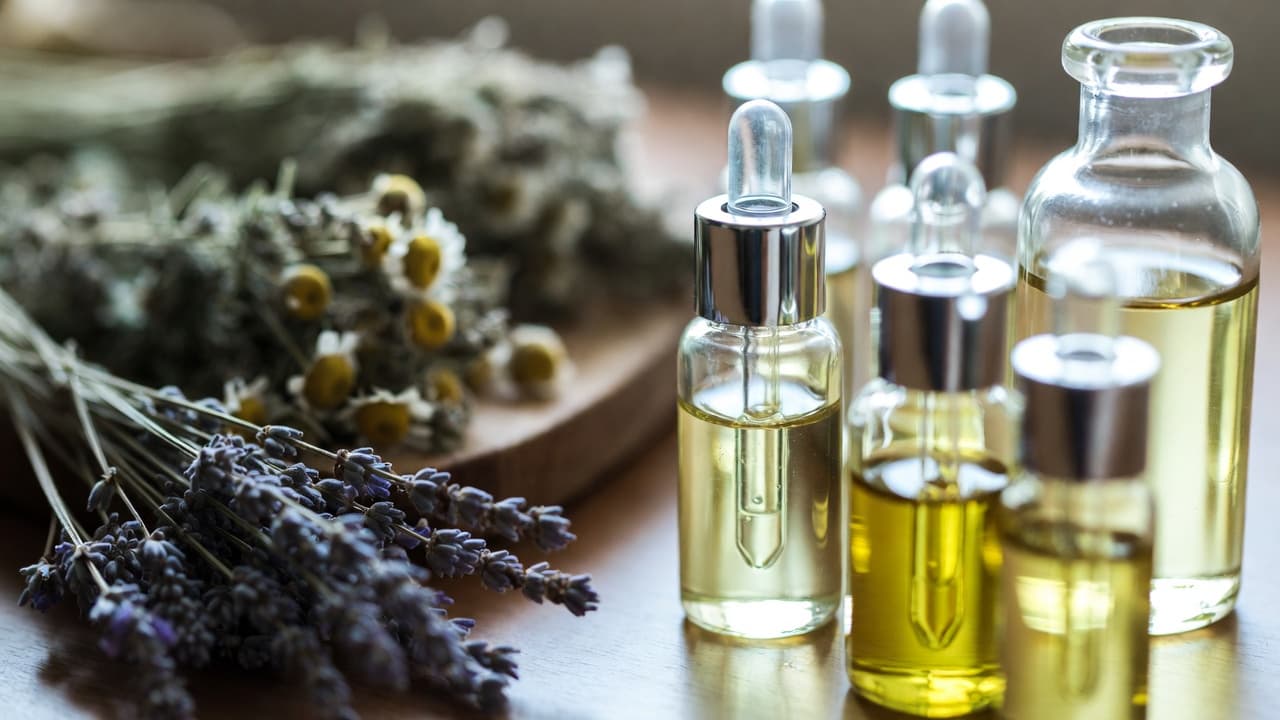
At InVine, cold-pressed organic extra-virgin olive oil is the primary base of our balms, paired with unrefined coconut oil for structure. But we don't simply blend it in. We slow-infuse our garden-grown herbs whole into the oil for six to eight weeks in cool, dark conditions, so the oil pulls the plants' fat-soluble character into itself before any other ingredient is added. The olive oil isn't a filler the herbs ride on, it is the solvent that makes the whole-herb infusion possible, and a conditioning ingredient in its own right.
How to Actually Use Olive Oil on Your Skin
A few practical, honest notes:
- As a body moisturizer: olive oil is rich and emollient. It works best on slightly damp skin (after a shower), which helps it spread thin and seal in the water already there.
- In balms and salves: blended with beeswax, it becomes a structured, longer-lasting balm rather than a slick of oil.
- On the face, with a caveat: olive oil sits on the richer, more occlusive end. Many people love it; if your skin is acne-prone, it can feel heavy or contribute to congestion, so go light and patch-test. Some faces do better with lighter oils. Honesty matters more than hype here.
- Patch test any new oil on your inner arm first, as you would with any product.
The Bottom Line
Olive oil "does something" because it isn't inert: it is an emollient that conditions and softens skin, it carries its own antioxidant polyphenols when it's cold-pressed, and its fatty-acid profile lets it absorb rather than only sit on top. (Compare that with mineral oil, which is safe but inert.) The quality of the oil is the whole game, and it is why we treat the base of every balm as the ingredient that matters most.
Explore the whole-herb balms →