Cetaphil Moisturizing Cream is one of the most recommended moisturizers in America, and its formula is water, glycerin, petrolatum, and silicone, with exactly one plant oil partway down the label. A natural alternative replaces that architecture entirely: whole herbs slow-infused in organic plant oils, plant butters for body, and nothing synthetic. Here is an honest comparison.
Walk into any pharmacy and ask for a moisturizer recommendation, and there is a fair chance you'll walk out with the green-labeled tub. Cetaphil has spent decades earning that shelf position, and much of it honestly. But a growing number of people flip the tub over, read the ingredient list, and go looking for something that gets its results from plants instead of petroleum. If that's what brought you here, this is for you.
What's Actually in Cetaphil Moisturizing Cream
Here is the current ingredient list, in order: water, glycerin, petrolatum, dicaprylyl ether, dimethicone, glyceryl stearate, cetyl alcohol, sweet almond oil, PEG-30 stearate, tocopheryl acetate, two acrylate polymers, dimethiconol, benzyl alcohol, phenoxyethanol, propylene glycol, disodium EDTA, and sodium hydroxide.
A few things stand out when you read it the way a formulator does:
It is mostly water. Water is the first ingredient, which means it's the largest single component. Water is not a moisturizer; it's the solvent that makes a cream feel light and spread easily, and it's also the reason the formula needs a preservative system (the benzyl alcohol and phenoxyethanol near the end).
The moisturizing engine is petrolatum plus silicone. Petrolatum, the third ingredient, is the same petroleum-derived occlusive that makes up most of Vaseline. Dimethicone, the fifth, is a silicone that gives the cream its silky slip and leaves a smoothing film. Both are considered safe and both do their jobs well. Neither contributes anything botanical.
There is one plant in the tub. Sweet almond oil sits eighth on the list, behind the emulsifiers. It's a genuinely good oil. There is just not very much standing between it and a fully synthetic formula.
The vitamin E is the synthetic form. Tocopheryl acetate is a lab-stabilized vitamin E ester, a different ingredient from the natural mixed tocopherols used in botanical formulas.
When Cetaphil Is the Right Tool
An honest comparison gives credit where it's due, and Cetaphil has earned some. The formula is fragrance-free, which matters enormously if scent ingredients bother your skin. It's paraben-free. It's inexpensive, available everywhere, and so consistent that dermatologists can recommend it knowing exactly what a patient will get. If you want a no-surprises synthetic moisturizer at a drugstore price, it is a perfectly rational choice. (Its anti-aging-aisle sibling gets the same honest treatment in our Olay Regenerist comparison.)
The reason people go looking for an alternative usually isn't that Cetaphil failed them. It's that "safe and synthetic" stopped being enough, and they want their daily moisturizer to be built from ingredients they can picture growing somewhere.
What a Natural Alternative Actually Looks Like
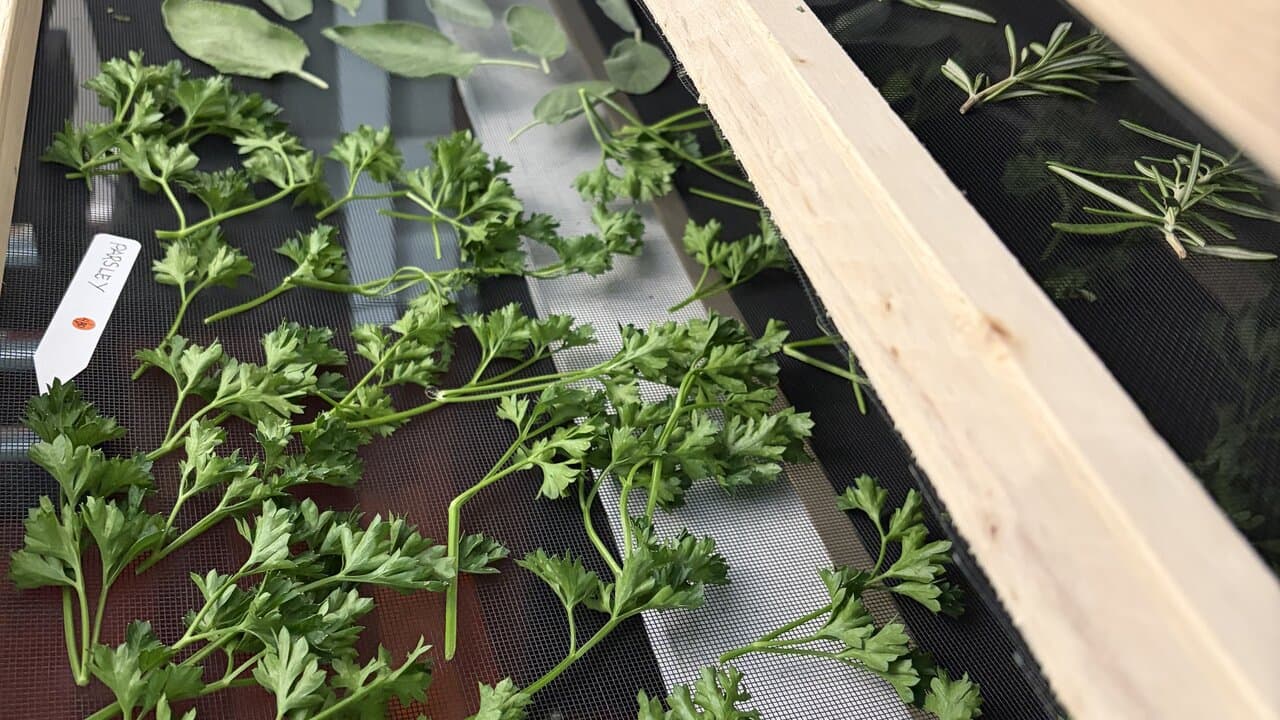
Trade the water-petrolatum-silicone architecture for a botanical one and the label changes shape completely. Our approach at InVine starts in our own Tallahassee garden: herbs like moringa, echinacea, rose, and spearmint are grown, harvested, and slow-infused whole in organic oils for six to eight weeks in cool, dark conditions, so the finished oil carries the plant's full profile rather than a few drops of extract.
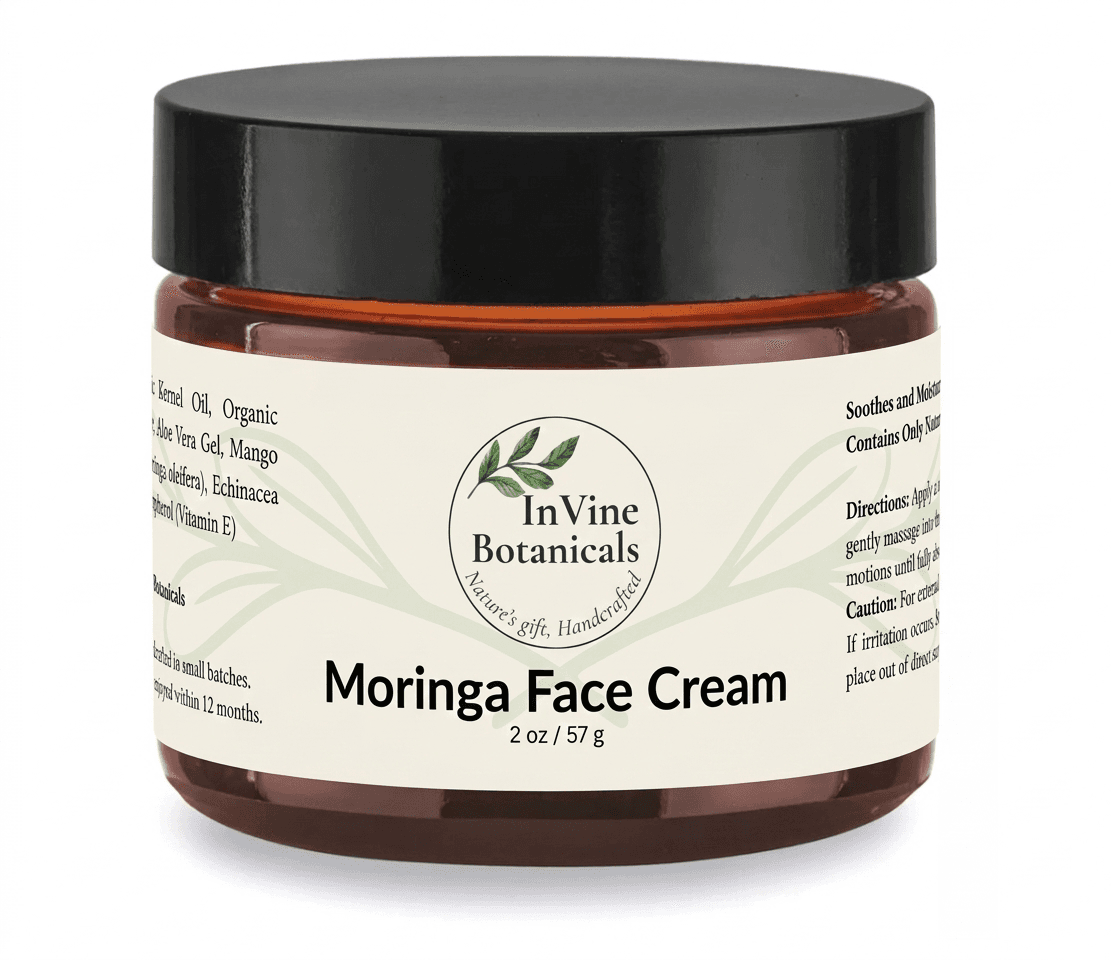
For the face, that infused oil becomes a waterless creme. Our Moringa w/ Echinacea Face Cream and Rose Renewal Crème contain no water at all: the body comes from mango butter, the glide from the infused plant oils, and the shelf life from natural vitamin E rather than a preservative system. Because there is no water, every gram in the jar is formula, which is why a waterless creme feels richer than a drugstore cream and why a small amount covers more than you expect.
For body use, the same logic scales up: our Basil Body Butter is built on three garden-grown basils, and our balms pair whole-herb infusions with beeswax, blended in rather than layered on.
The Honest Trade-Offs
Switching from a water-based synthetic cream to a waterless botanical one is a real change, and it's worth knowing what changes:
- Texture. A waterless creme is denser than a water-first cream. It melts in with skin warmth rather than disappearing instantly.
- Scent. Plants have one. Ours is kept to a whisper (the Moringa creme is the quietest jar we make), but it will never be as scentless as a lab formula.
- Price per jar, not per use. Botanical formulas cost more per ounce than petroleum ones. Concentration closes much of that gap in practice.
- Shelf life. Natural formulas live on the shorter side, which is the honest cost of skipping synthetic stabilizers.
If your skin is reactive, patch-test anything new, botanical or not: a dab on the inner wrist, 24 hours, then proceed.
Reading Any Label Like This
Whatever you end up buying, from us or anyone else, the skill transfers: check what the first three ingredients are, find where the first plant appears, and ask whether the formula's engine is botanical or synthetic. Our guide to what plant-based skincare actually means goes deeper on that, and every InVine ingredient is listed, with its source, on our ingredients page.
Cetaphil will keep being exactly what it is: a competent, predictable, petroleum-based moisturizer. If you'd rather your morning cream come from a garden, that exists too, and we make it in small batches in Tallahassee, Florida.