Plant-based skincare is skincare built around ingredients sourced from plants, botanical oils, whole herbs, flower waters, plant butters, and plant-derived extracts, rather than petroleum derivatives or industrially-synthesized actives. It's a structural claim about what the formula is made of, not a marketing flourish.
That's the short answer. The longer one is more useful, because the term gets stretched to cover everything from a single-ingredient face oil to a complicated emulsion with one rose extract sprinkled in. Here's how to read the category accurately.
The distinction that matters most
Three words get mixed up in skincare marketing: natural, plant-based, and vegan. They sound similar. They measure different things.
- Natural has no legal definition in skincare. A brand can call anything "natural." The word tells you almost nothing.
- Plant-based means the formula is structurally built on plant ingredients. The base, the hero actives, the texture-makers, all plant-derived.
- Vegan means the formula contains zero animal-derived ingredients. A plant-based product can be non-vegan (it can contain beeswax, for example). A vegan product can be built around synthetic ingredients with no real plant content.
A plant-based skincare brand can be vegan or not. The two claims are independent.
What plant-based skincare typically contains
A formula that earns the plant-based label is usually built from some combination of:
- Carrier oils, cold-pressed plant oils like olive, coconut, jojoba, argan, sunflower, sweet almond. These form the base of most plant-based products.
- Plant butters, shea, cocoa, mango, kokum. These add firmness and richness.
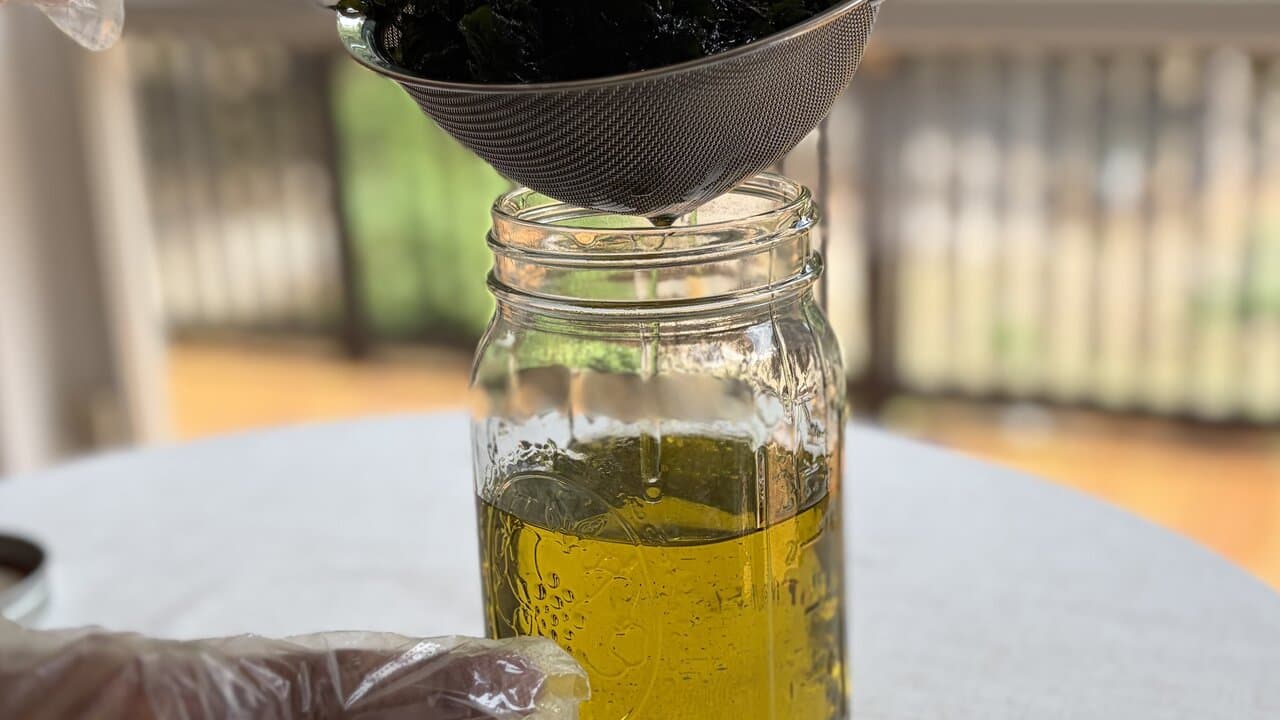
- Whole-herb infusions, herbs steeped in carrier oils over weeks to extract fat-soluble plant compounds. The InVine approach uses this method for every formula.
- Plant extracts, concentrated plant compounds isolated through various methods. Quality varies wildly.
- Essential oils, highly concentrated aromatic plant extracts. Used sparingly; some plant-based brands avoid them entirely because of skin sensitivity issues.
- Flower waters / hydrosols, the water-soluble counterpart to essential oils, often used as the water phase in plant-based emulsions.
- Plant waxes, candelilla, carnauba, rice bran. Used for structure in vegan plant-based products.
- Antioxidants, vitamin E (often plant-derived), rosemary extract, green tea extract.
What you usually don't see in plant-based skincare:
- Mineral oil, petrolatum, or other petroleum derivatives
- Synthetic preservatives like parabens (some plant-based brands use phenoxyethanol; the strictest do not)
- Industrial emulsifiers like PEG-40 or polysorbate 80
- Synthetic fragrance ("parfum" without a plant source)
- Synthetic dyes
How to tell a plant-based formula from a "plant-flavored" formula
The most reliable test: read the ingredient list, which is required by FDA labeling rules to be in order of concentration.
A plant-based formula lists plant ingredients in the first few positions. A plant-based balm might start with: olive oil (Olea europaea), beeswax, coconut oil (Cocos nucifera), rosemary leaf extract (Rosmarinus officinalis). The plants are doing the structural work.
A plant-flavored formula lists water or a synthetic emulsifier first, with the named plant appearing fifth or sixth. The plant is there, but it's a small percentage and the marketing is doing most of the heavy lifting.
This isn't a moral judgment, plant-flavored products can be perfectly fine to use. But they're not the same thing as plant-based skincare, and the distinction matters if you're trying to actually shift your skin's exposure to plant-derived ingredients.
Why the formulation method matters
Two products with the same plant ingredients can produce very different results depending on how the plants were extracted.
Essential oil dilution uses concentrated, steam-distilled plant essences, usually 1-3% in a carrier oil base. The plants are present at high concentration but represent only a narrow slice of the plant's chemistry (the volatile aromatics).
Whole-herb infusion steeps entire dried herbs in carrier oils over 6-8 weeks. The plants are present at lower concentration but in a broader spectrum, volatile aromatics plus fat-soluble compounds like flavonoids, carotenoids, and waxes that essential oil distillation doesn't capture.
Both approaches qualify as plant-based. They produce different products. (For a deeper dive: essential oil dilution vs. whole-herb infusion.)
Plant-based skincare for sensitive skin
There's an irony at the heart of natural skincare: the people most drawn to plant-based products are often the first to react badly to them. The issue is usually concentration, not the plants themselves.
Plant-based skincare made through whole-herb infusion methods tends to be gentler than essential-oil-forward formulas, because the botanical compounds are diluted in oil over weeks rather than concentrated to drops. For more on this, our plant-based skincare for sensitive skin guide walks through what to look for.
What plant-based skincare can and cannot do
The honest version. Plant-based skincare can:
- Moisturize and condition skin
- Provide antioxidant support
- Be gentler on skin that reacts to synthetic preservatives or emulsifiers
- Reduce a regimen's chemical complexity to ingredients you can recognize
Plant-based skincare cannot:
- Treat medical conditions (it's a cosmetic, not a drug)
- Replace prescription dermatology
- Promise dramatic clinical-grade results in a week, the changes are gradual and accumulate over time
Anyone selling you plant-based skincare with disease claims is misleading you. Plants are good for skin in the cosmetic sense, softening, moisturizing, conditioning. They're not pharmaceuticals.
How to start, if you're moving toward plant-based skincare
Three pragmatic suggestions if you're trying to shift your skincare toward genuinely plant-based products:
-
Start with one product category. Replace your body lotion or your hand cream or your facial moisturizer first. Don't overhaul the whole regimen at once, you'll lose track of which product is doing what.
-
Read the back of every bottle before you buy. Plant-based skincare made well has short ingredient lists. If you can't read the labels in your bathroom, the products probably aren't what they claim.
-
Try a small brand before a big one. Smaller plant-based brands tend to have higher real plant content because they can't afford the volume games that larger brands play. InVine is one option among several.
Where this leaves InVine
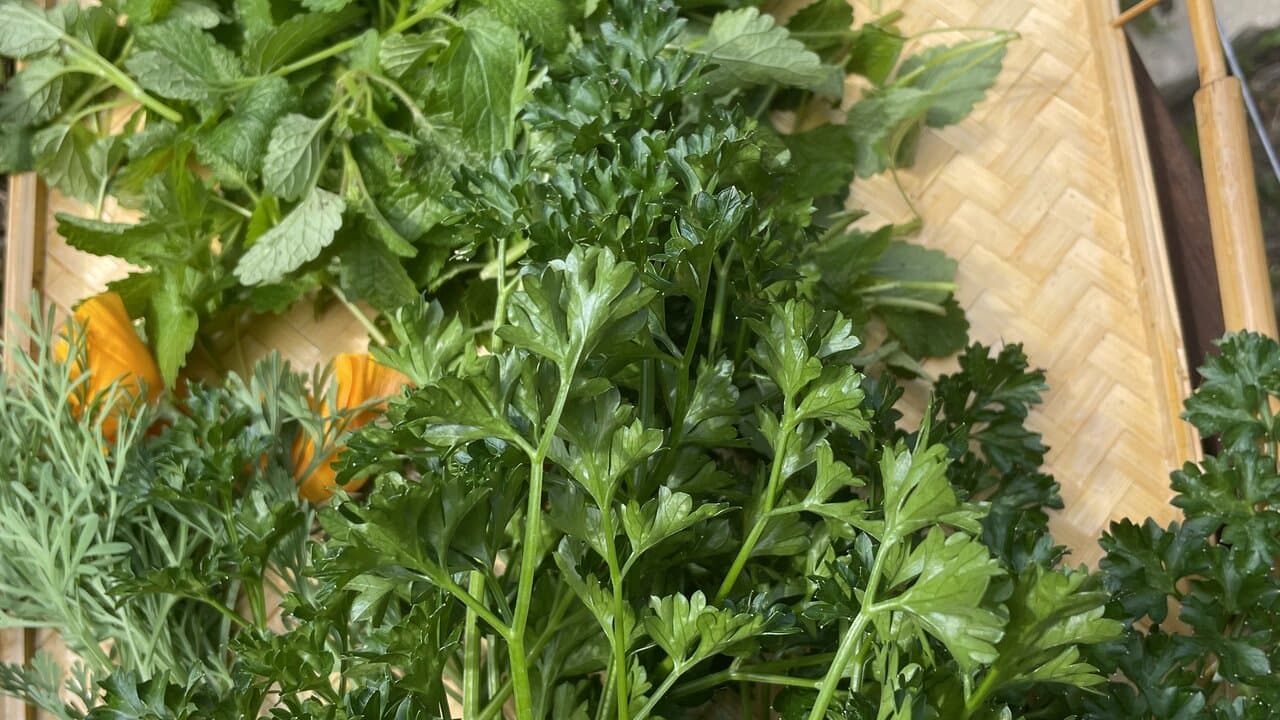
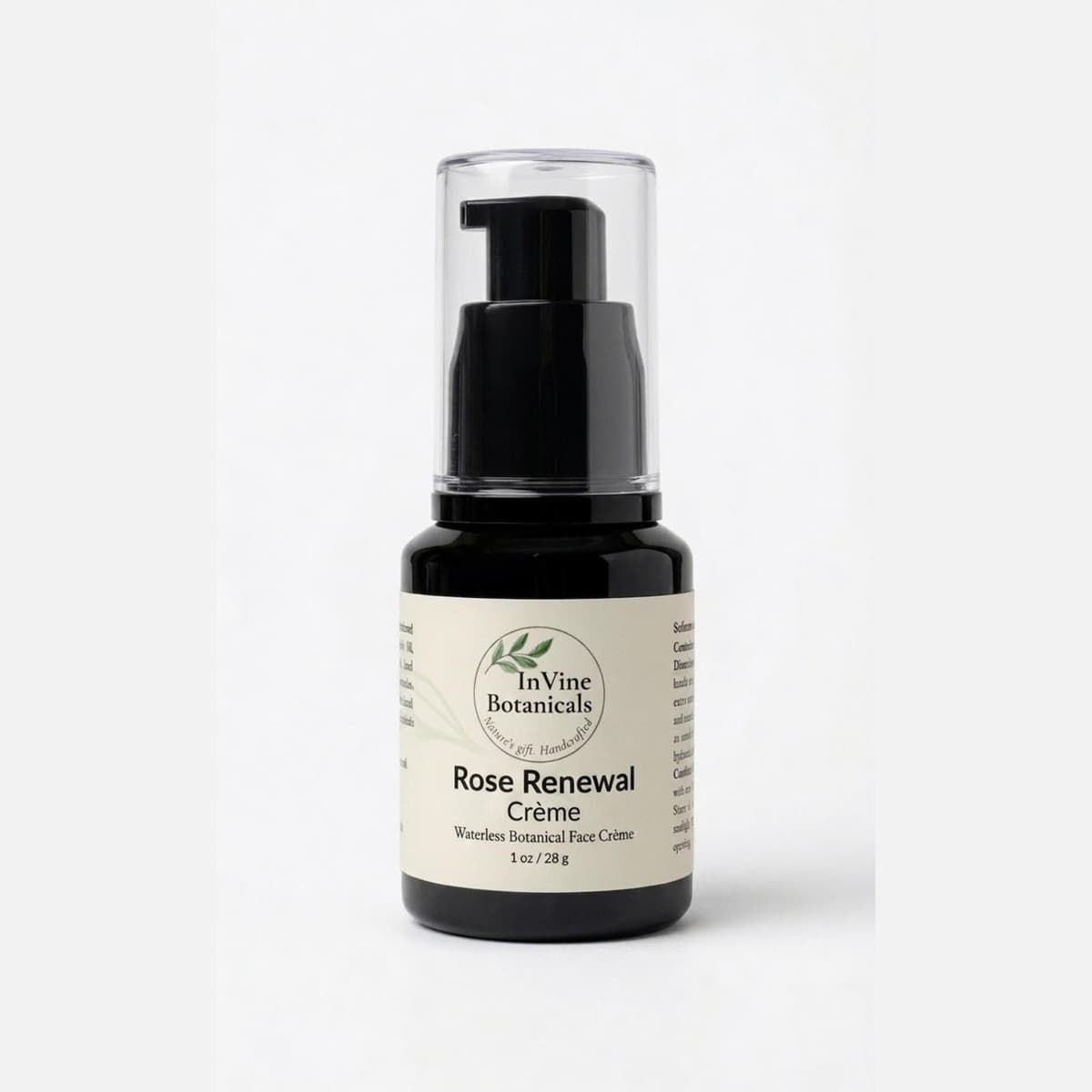
Our plant-based skincare collection is built around whole-herb infusion of plants grown in our Tallahassee, Florida garden. Every balm, cream, and body butter starts with herbs we harvested ourselves. We're plant-based, not vegan (we use locally-sourced beeswax), and we say so on the front of the page.
If you're looking for plant-based skincare from a brand that can name every plant, every source, and every batch, that's the version we make.
Plant-based skincare is most useful as a structural claim: the product is built from plants, in significant proportion, in recognizable form. When the term means anything more vague than that, it stops being useful. The brands worth following are the ones who hold the term to the structural meaning.