For most of my life, I could not put much of anything on my skin. Synthetic fragrance, preservatives, parabens, alcohol: my skin reacted to all of it, and fast. I even tried baby products, the ones marketed as gentle enough for a newborn, and I still reacted.
So I understand the particular tiredness of shopping for sensitive skin. You read "natural." You read "gentle." You buy it anyway, half-bracing for the itch. Here is what I learned formulating for my own reactive skin, and why the problem is usually not the plants.
It is usually not the plant, it is the concentration
The word "natural" gets blamed for a lot of reactions it did not cause. In my experience the trigger is rarely the plant itself. It is how concentrated and how loaded a formula is: heavy synthetic fragrance, long preservative lists, and essential oils added far past the point of aroma.
That last one took me years to understand. A long time ago I used too much lavender essential oil, and every reaction I have showed up at once. I decided the oil and I were done, and I did not touch it for years. Eventually I tried it one more time, just a whisper for scent, and my skin was perfectly calm. That was the lesson, and it changed how I formulate: a little can be lovely, too much is not, and the dose is the whole difference.
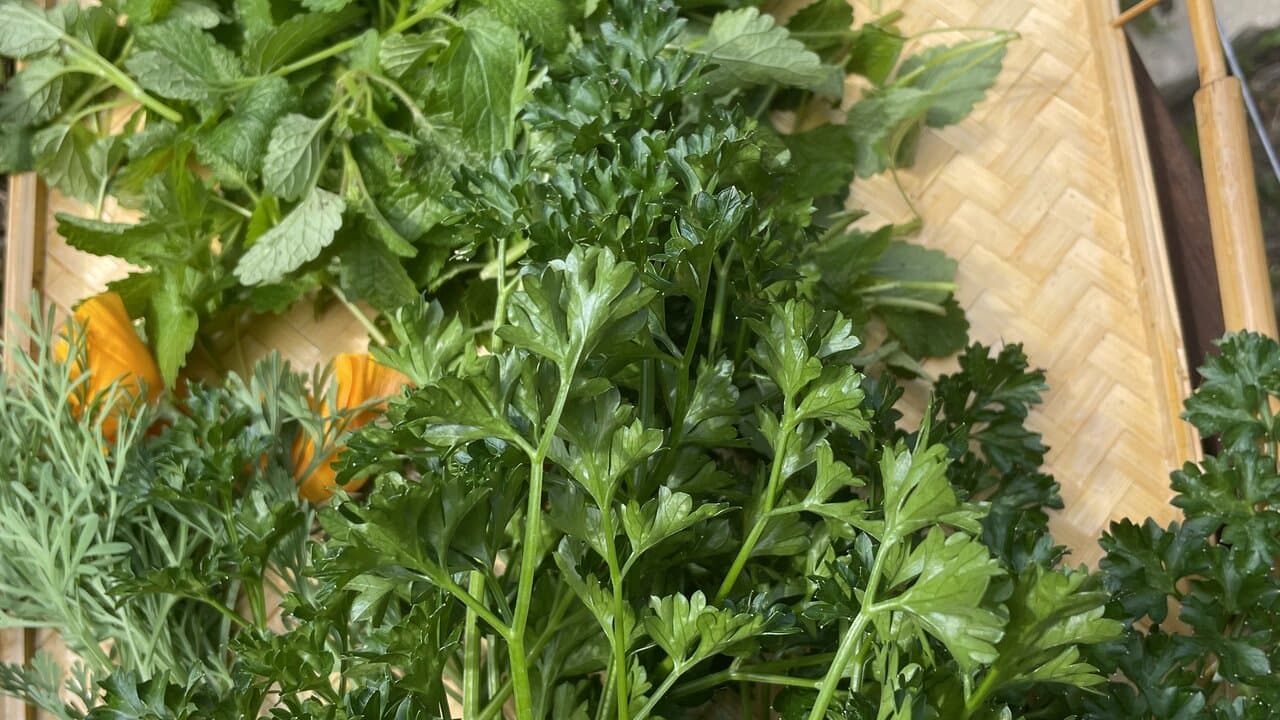
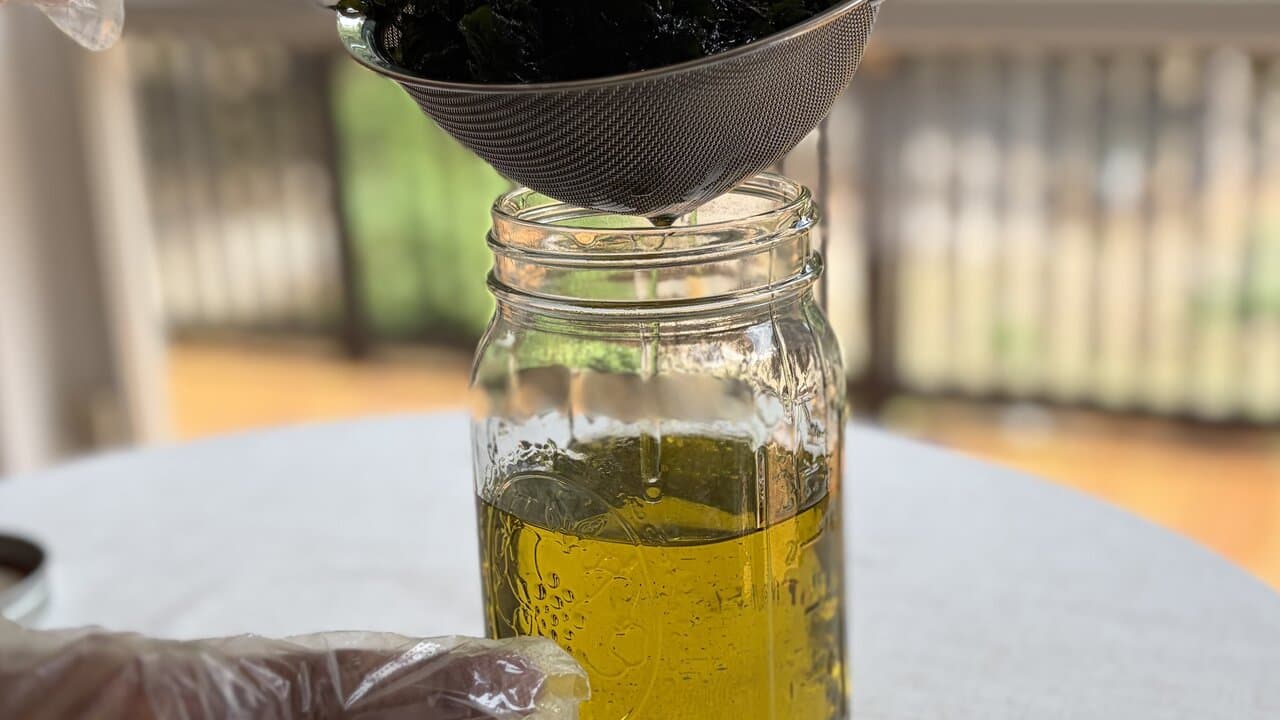
It is the same idea behind every InVine formula. We grow our herbs in our own Florida garden and slow-infuse them whole, for six to eight weeks in cool, dark conditions, so the plant comes through at the gentle concentration nature gave it, never spiked or isolated.
What I leave out
The fastest way to be kinder to reactive skin is to leave out what provokes it. My formulas have:
- No synthetic fragrance. Any scent comes from the herbs and a trace of a single essential oil, never a fragrance load.
- No parabens, no fillers, no alcohol.
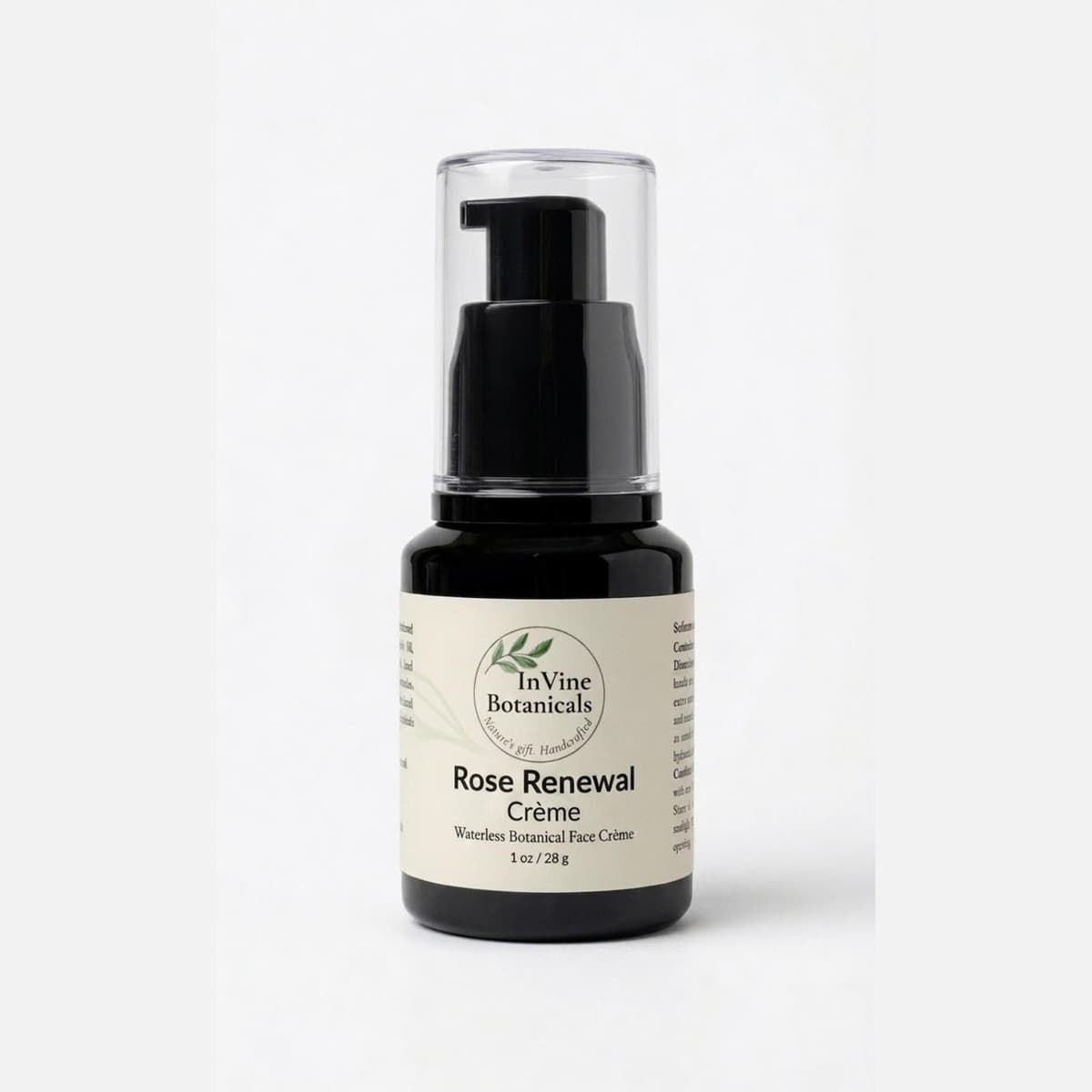
- No added water in the creams. The face creams and Rose Renewal Crème are waterless, carried in apricot kernel and grapeseed oils with mango butter and prickly pear seed oil. Waterless means a more concentrated formula and far fewer preservatives, and preservatives are one of the most common triggers I know.
- Short ingredient lists you can actually read.
Where essential oils fit, honestly
I am not going to tell you InVine is essential-oil free, because it is not, and I would not trust a sensitive-skin brand that claimed to be perfect. I use essential oils the way I learned to use them on my own skin: as a whisper, for aroma, kept at the low end where my skin stays calm. Even now, if a product carries too much, my skin tells me, and my nose usually tells me first. If you already know a particular oil is one of your triggers, the honest move is to patch-test, or start with the simplest option below.
Patch-test everything, including mine
Whatever you try next, mine or anyone's, patch-test it first. A little on the inside of your forearm, once a day for two or three days, before it goes anywhere near your face. It is the single habit that has saved my skin the most grief.
What I actually use, simplest first
People ask what is in my own routine, so here it is:
- Basil Body Butter has no essential oils at all. If fragrance of any kind is your trigger, start here. I use it a couple of times a week.
- Spearmint Hand Cream, daily, after the garden and after long hours in the kitchen.
- Moringa Face Cream and Rose Renewal Crème, either one, as often as my skin wants it. Both are waterless, both finished with only a whisper of a single essential oil.
Why I made these
I did not build these to sell a feeling. I built them because I needed them. In my early forties my skin changed. It went very dry, drier than it ever was in my thirties, and I was frightened to moisturize because everything I reached for reacted. When I finally switched to my own formulas, the change came within about two weeks. My skin felt lighter and looked like it had come back to life, the way a plant does when it has gone too long without care and is finally tended: supple again, soft again, beautiful to touch again. My husband and children noticed before I said a word.
Sensitive skin does not stay quiet. It will tell you, quickly, whether it is being looked after. Mine finally had good news to report.
If you want to start gently, browse the whole plant-based skincare collection and patch-test whatever calls to you.
Written by Janice, founder and formulator of InVine Botanicals.