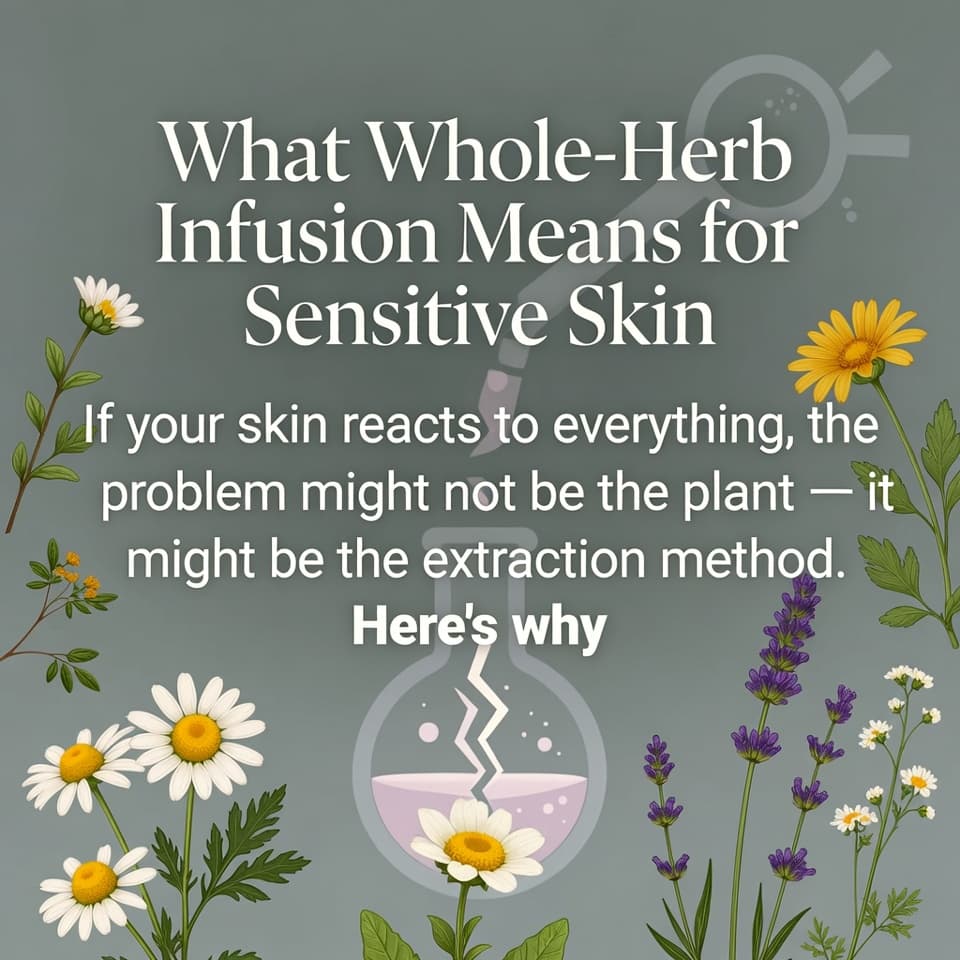
There's an irony at the heart of natural skincare: the people most drawn to plant-based products — those with sensitive, reactive skin looking for something gentler — are often the first to have a bad reaction to them.
The culprit, more often than not, isn't the plant. It's the concentration.
The Concentration Problem
Essential oils are extraordinary concentrations of volatile plant compounds. A single drop of lavender essential oil represents roughly 30 lavender flower heads. A drop of rose essential oil takes about 60 roses.
That concentration is what makes essential oils powerful — and it's also what makes them risky for sensitive skin. At full strength, many essential oils are classified as skin sensitizers. Even properly diluted to 1–3% in a carrier oil, they deliver their active compounds in a concentrated burst that some skin simply cannot tolerate.
The reactions are familiar to anyone with sensitive skin: redness, stinging, contact dermatitis, or a low-grade irritation that builds with repeated use. Many people experience this and conclude that "natural products don't work for me" — when what actually happened is that concentrated plant extracts overwhelmed their skin barrier.
What Happens During Whole-Herb Infusion
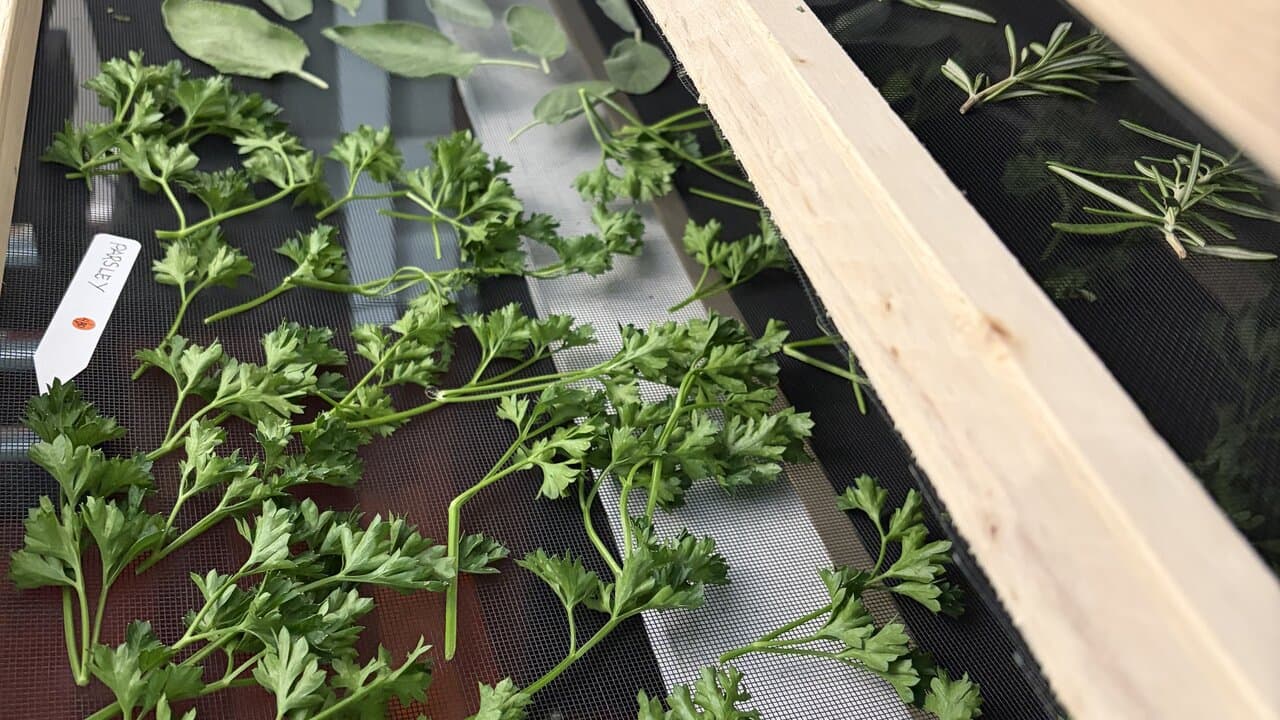
A whole-herb oil infusion takes the opposite approach. Instead of isolating the most volatile compounds through steam distillation, you steep the entire dried herb — leaves, stems, flowers, roots — in a carrier oil over several weeks.
The process is slow by design. Over four to eight weeks, the oil gradually draws out a broad spectrum of the plant's fat-soluble compounds: not just the volatile aromatics that essential oils capture, but also the heavier terpenes, flavonoids, carotenoids, and fatty acids that remain behind during distillation.
The result is an oil that contains the plant's botanical compounds at a much lower concentration — but in a naturally balanced ratio that more closely resembles the plant itself.
Why Balance Matters for Skin Tolerance
In the whole plant, active compounds don't exist in isolation. They exist alongside buffers, co-factors, and moderating compounds that influence how they interact with living tissue.
Rosmarinic acid in lemon balm, for example, is a notable skin-soothing compound — but in the whole leaf, it exists alongside mucilaginous compounds that soften its impact on skin tissue. When you extract the volatile fraction alone, you get the concentrated compound without the buffer.
This is the fundamental difference: essential oil dilution delivers a narrow, concentrated slice of the plant's chemistry. Whole-herb infusion delivers a broad, moderate cross-section.
For skin that tolerates concentration well, both approaches can work. For skin that doesn't, the difference is often the difference between a product you can use and one you can't.
What This Looks Like in Practice
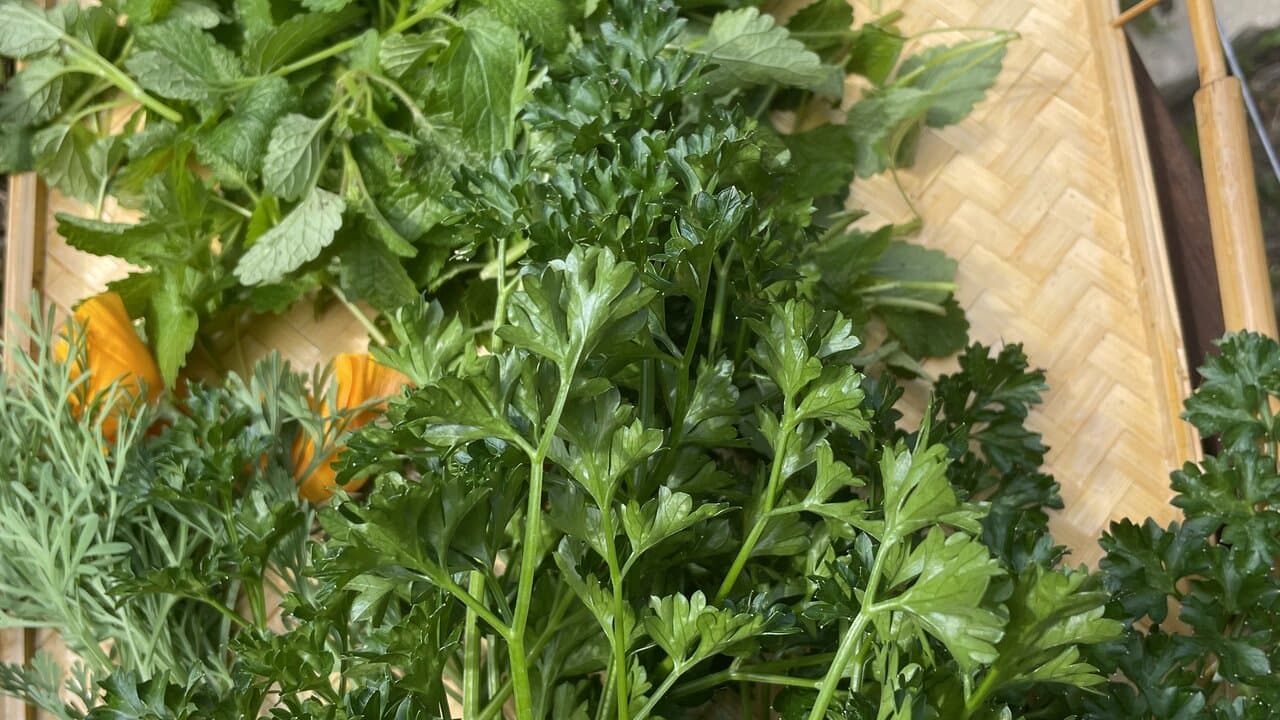
At InVine, every herb that goes into our balms — lemon balm, rosemary, lemongrass, basil, peppermint, spearmint, and more — is slow-infused as a whole dried herb in organic olive oil for a minimum of six to eight weeks. No heat is applied. No solvent extraction. Just time and oil.
The small amount of essential oil we do use (tea tree and eucalyptus, at carefully controlled percentages) serves a specific purpose — aromatic qualities and a refreshing scent — that the infused herbs alone cannot deliver as efficiently.
But the base of every formula is the slow infusion. It's why our balms feel different from products that start with a plain carrier oil and add a few drops of essential oil at the end.
How to Know Which Approach a Product Uses
Read the ingredient list. If you see a carrier oil followed by several essential oils (often listed by their Latin binomials), that's an essential oil dilution. The "herbal" quality of the product comes from a small percentage of concentrated oils added to a neutral base.
If you see an infused oil listed — something like "olive oil infused with rosemary, lemon balm, and lemongrass" or "herbal-infused olive oil" — that's a whole-herb infusion. The oil itself has been transformed by weeks of contact with the plant material.
Both are legitimate approaches. But they are not the same thing, and for sensitive skin, the distinction matters.
If you've tried natural skincare and your skin said no, it may be worth trying again — with a product that lets the plant speak at its own volume.