The word "plant-based" sits in a strange place in skincare right now. It used to mean the formula was built on plant ingredients. Now it sometimes just means the marketing is built on plant imagery. Watching the category from the small-brand side, I've come to think the most useful frame is this: a plant-based skincare brand should be able to tell you which plants, where they came from, and what they're doing in the formula.
The twelve brands below — including my own — pass that test in their different ways. Some are tiny like InVine. Some are mid-sized. None of them mistake "natural" for "plant-based" or "vegan" for either.
What "plant-based" should actually mean in skincare
Plant-based, properly used, means the formula is built around plant ingredients — botanical oils, herbs, plant extracts, plant butters — rather than petroleum derivatives or industrially-synthesized actives. It's a structural claim about what the formula is made of, not a claim about ethics (that's vegan) or about purity (that's natural, which has no regulated meaning).
The honest test: read the back of the jar. If you can recognize most of what's in there as a plant or plant-derived ingredient, you're holding plant-based skincare. If two-thirds of the list reads like an organic chemistry textbook, the "plant-based" label is decoration.
1. InVine Botanicals
What we do: Whole-herb infused balms, body butters, and face creams made from herbs grown in our Tallahassee, Florida garden.
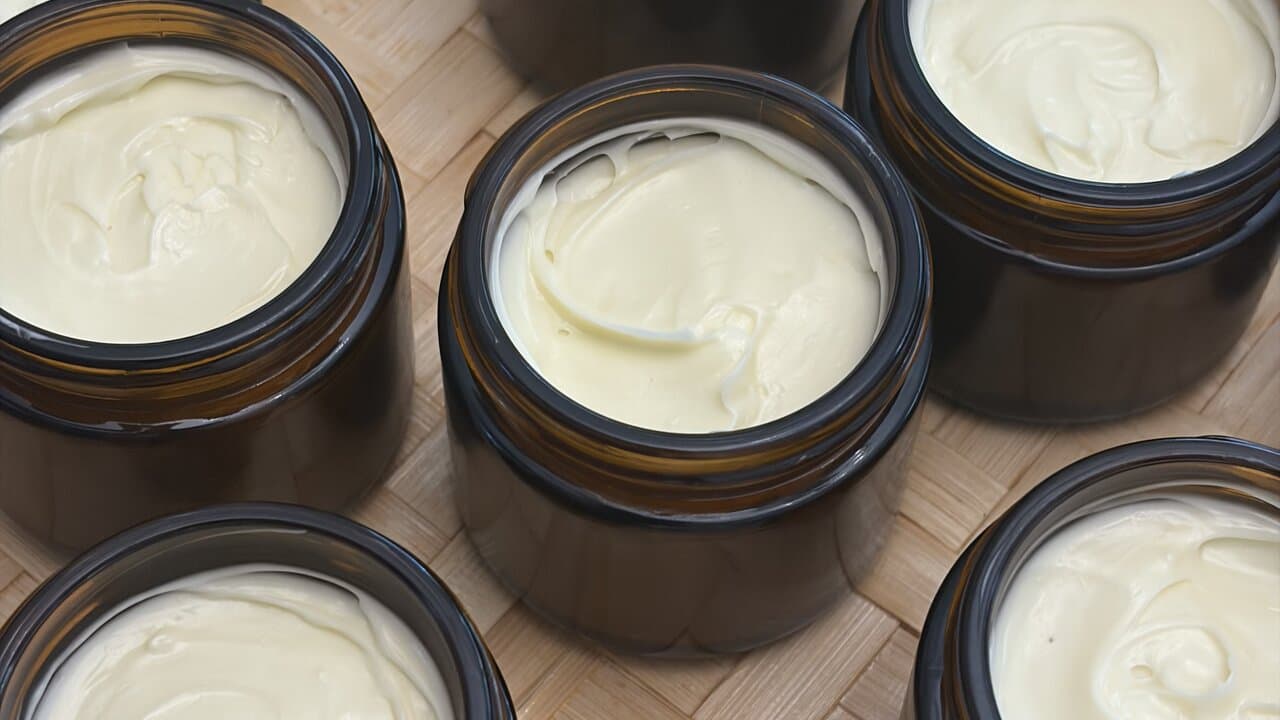
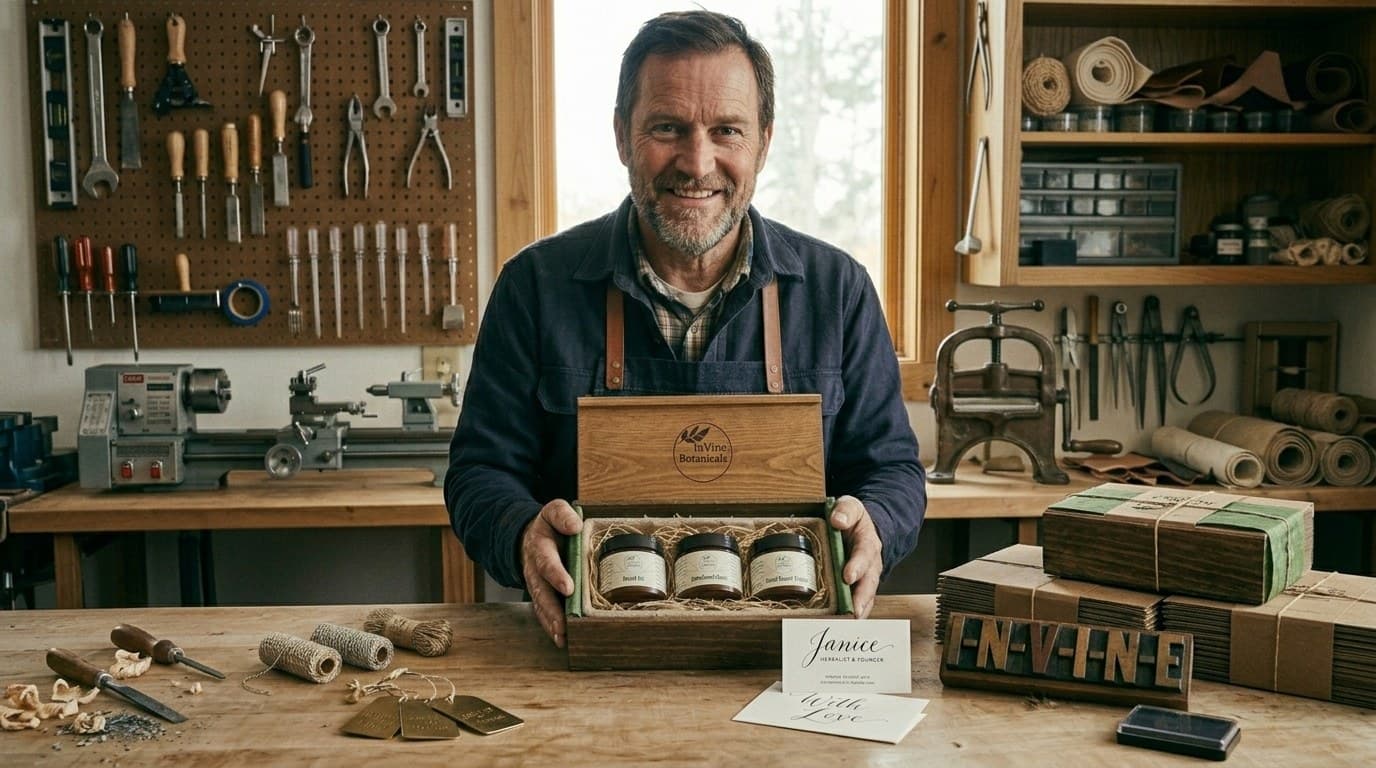
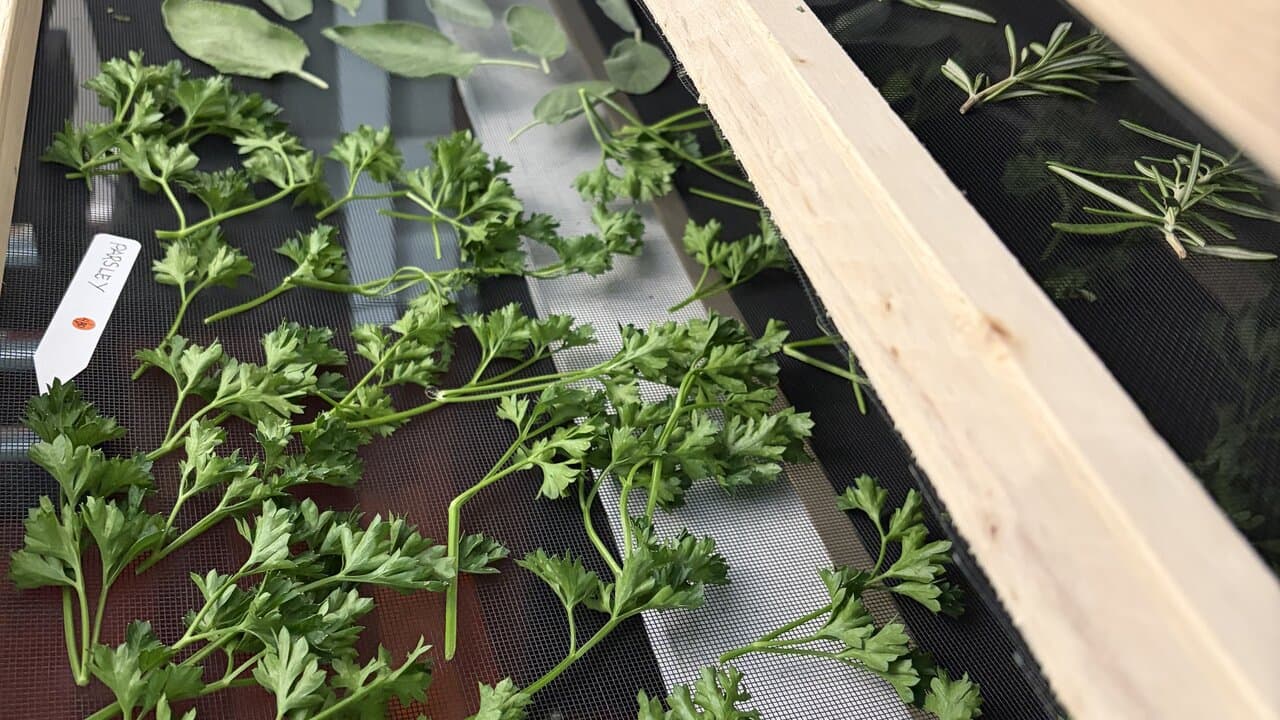
Why I include us: Because I started InVine because nothing on the market matched what I wanted for my own family. Every herb in our infusions (except black pepper) grows here. We harvest at peak, dry on-site, slow-infuse in organic olive and coconut oil for 6-8 weeks in cool dark conditions, then blend with locally-sourced beeswax and Vitamin E. The whole ingredient list fits on the label. We're not vegan — we use beeswax — but we are unambiguously plant-based.
Standout product: Bug Bite Balm — built on whole-herb infusions of lemongrass, lemon balm, rosemary, sweet basil, and lemon mint, finished with tea tree.
2. Osea Malibu
What they do: Seaweed-based face care formulated in Malibu, California.
Why they're worth knowing: Osea is the rare large-ish brand that's stayed disciplined about its plant story. Their formulas are built on sustainably-harvested seaweed varieties — Undaria pinnatifida, Macrocystis pyrifera — and their hyaluronic acid alternative comes from gigartina algae rather than fermentation. Mid-priced, well-formulated, plant ingredients are doing real work in every product.
3. Annmarie Skin Care
What they do: Aloe-based moisturizers and treatments from Berkeley, California.
Why they belong here: Most "natural" moisturizers use distilled water as the carrier. Annmarie uses aloe vera juice. That changes what the product is — every drop is actively conditioning, not inert. They're transparent about ingredient sourcing and certified by MADE SAFE.
4. Tula
What they do: Probiotic-and-plant skincare with extensive prebiotic complexes.
Honest take: Tula is more polished and commercial than most brands on this list, but their probiotic-plant blend is real and works for a lot of people. If you want a plant-based brand that's available at Sephora and isn't compromising too much, they're a reasonable pick.
5. Pacifica Beauty
What they do: Vegan, plant-based face care and color cosmetics at drugstore price points.
Why they're notable: Pacifica was one of the first brands to scale plant-based at accessibility-tier pricing. The formulas aren't as dense as luxury brands, but for $15-30 a product you get formulations built around stated plant ingredients — coconut, kale, rose, sea foam — without animal derivatives.
6. Live Botanical
What they do: Herbalist-formulated face and body oils from Oregon.
Why I respect them: Founder Hannah Sanders works as a clinical herbalist, and the line reads like an herbalist's apothecary. Single-plant face oils, slow-infused balms, salves. Simple. The product names are usually the dominant plant. The Latin binomials are on the label.
7. Plant Apothecary
What they do: Brooklyn-made body care designed for color and joy as much as plant content.
Why they're on this list: Plant Apothecary makes plant-based body care that doesn't take itself too seriously. The packaging is bright, the formulas are simple, the price points are accessible. If you want plant-based without the wellness-influencer aesthetic, they're worth a look.
8. Honey Girl Organics
What they do: Beeswax, honey, and Hawaiian-grown plant face care.
Worth knowing because: Honey Girl is what happens when a beekeeping family decides to make skincare. Their formulas use raw Hawaiian honey, beeswax, and plant infusions from the property. Like InVine, they're plant-based but not vegan — the bees are part of the brand.
9. Mountain Rose Herbs
Note: Mountain Rose Herbs is technically a supplier rather than a finished-product brand, but they sell direct-to-consumer plant-based skincare alongside their bulk herbs. The DIY crowd in herbalism has used them for decades. The plant sourcing is some of the most carefully documented in the industry.
10. Made Simple Skin Care
What they do: Single-ingredient and short-ingredient-list face and body care.
Why they fit here: The brand was built on the premise that most plant-based skincare is more complicated than it needs to be. They sell single-oil products (rosehip oil, marula oil) alongside three-or-four-ingredient creams. If you want the most stripped-down plant-based approach, this is one of the few brands committed to it.
11. UpCircle Beauty
What they do: Plant-based face and body care built around upcycled botanical ingredients.
Why they're notable: UpCircle takes byproducts from the food industry — used coffee grounds, fruit-pit oils, herb stems — and turns them into skincare. The plant story has a sustainability dimension other brands don't. UK-based, but widely available.
12. Botnia Skincare
What they do: Sonoma-grown plant-based face care from a brand attached to a facial studio.
Why they earn a spot: Founder Justine Kahn runs both the brand and a brick-and-mortar facial studio in San Francisco, and the formulas reflect the hands-on context. Many ingredients are grown on the Sonoma property and the products are tested every day on real skin in the studio.
Three filters to apply when shopping plant-based skincare
After you read a list like this, here's how to evaluate any plant-based skincare brand you encounter in the wild:
1. Read the back of the jar before the front.
The hero plant on the front of the label might be a small percentage of the formula. The real ingredient story is on the back — usually in order of concentration. If "aqua" (water) is first and the named plant is sixth, the brand is plant-flavored, not plant-based.
2. Watch for vegan and plant-based being used interchangeably.
They're not the same thing. Plant-based means the formula is built around plant ingredients. Vegan means the formula contains no animal-derived ingredients at all. A brand can be plant-based and contain beeswax (InVine does). A brand can be vegan and built around synthetic ingredients. The labels measure different things.
3. Pay attention to formulation method, not just inputs.
Plant-based skincare made through cold-pressed and slow-infused methods retains more of the plant's complexity than plant-based skincare made through high-heat extraction. The how matters as much as the what. (For more on this: essential oil dilution vs. whole-herb infusion.)
Where to go from here
If you want to understand what "plant-based skincare" really is at a definitional level, our piece What Is Plant-Based Skincare? walks through the category from first principles. If you're looking for a brand to actually try, the InVine collection is a fair starting point — and if it's not the right fit for you, two or three of the brands above probably will be.
The best plant-based brands are the ones that can tell you the plant, the place, and the process — without reaching for marketing language. That's a higher bar than the label suggests. The brands that clear it are worth supporting.