Quick answer: Both are excellent plant butters, and they feel different. Shea butter is softer, richer and more cushioning. Mango butter is firmer in the jar, melts at skin temperature and leaves a drier, less greasy finish. For a body butter or face crème you want to put on and get dressed, mango butter is usually the better fit, which is why we build InVine Botanicals' Basil Body Butter and all of our waterless crèmes on certified organic, unrefined mango butter. For a thick overnight layer on very dry skin, shea is hard to beat. Below: where each comes from, how they compare, and how to choose.
I get asked this more than almost any other ingredient question, usually by someone standing in front of two jars that look nearly the same. They are close relatives in the kitchen of skincare, and you will not go wrong with either one. But they are not interchangeable, and the difference shows up the moment you rub one between your fingers.
Two Kernels, Two Continents
Shea butter comes from the kernel of the shea tree, which grows wild across the dry savanna of West Africa. Making it the traditional way is real work: the kernels are roasted and pressed, the paste is churned with water, and the fat is boiled, skimmed and cooled. It has been used on skin and in cooking there for centuries.
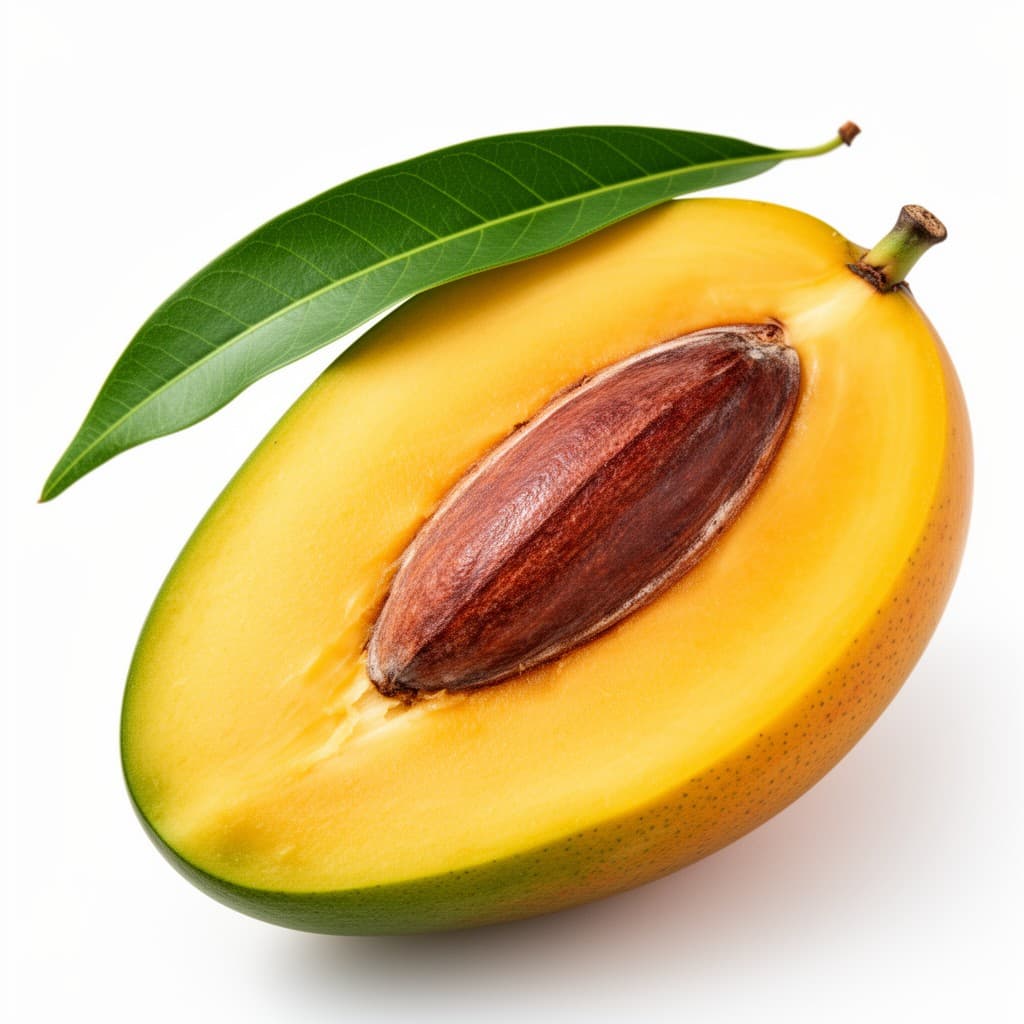
Mango butter comes from the kernel inside the big flat seed of the mango, the part most people throw away. The kernel is only a small fraction fat, so it takes a great many seeds to make a jar. Mango kernel butter has a long history of use on skin and hair across South Asia.
Both are true butters: solid at room temperature, pressed from a seed, and made mostly of stearic and oleic fatty acids, the same family that makes cocoa butter firm. The three are close enough that European food law lists shea and mango kernel fat among the six vegetable fats allowed alongside cocoa butter in chocolate.
How They Feel on Skin
This is where most people make their choice.
- Shea butter is soft and scoopable. It goes on rich and stays on the surface for a while, which is exactly what you want on heels at bedtime and exactly what some people do not want on their arms at eight in the morning.
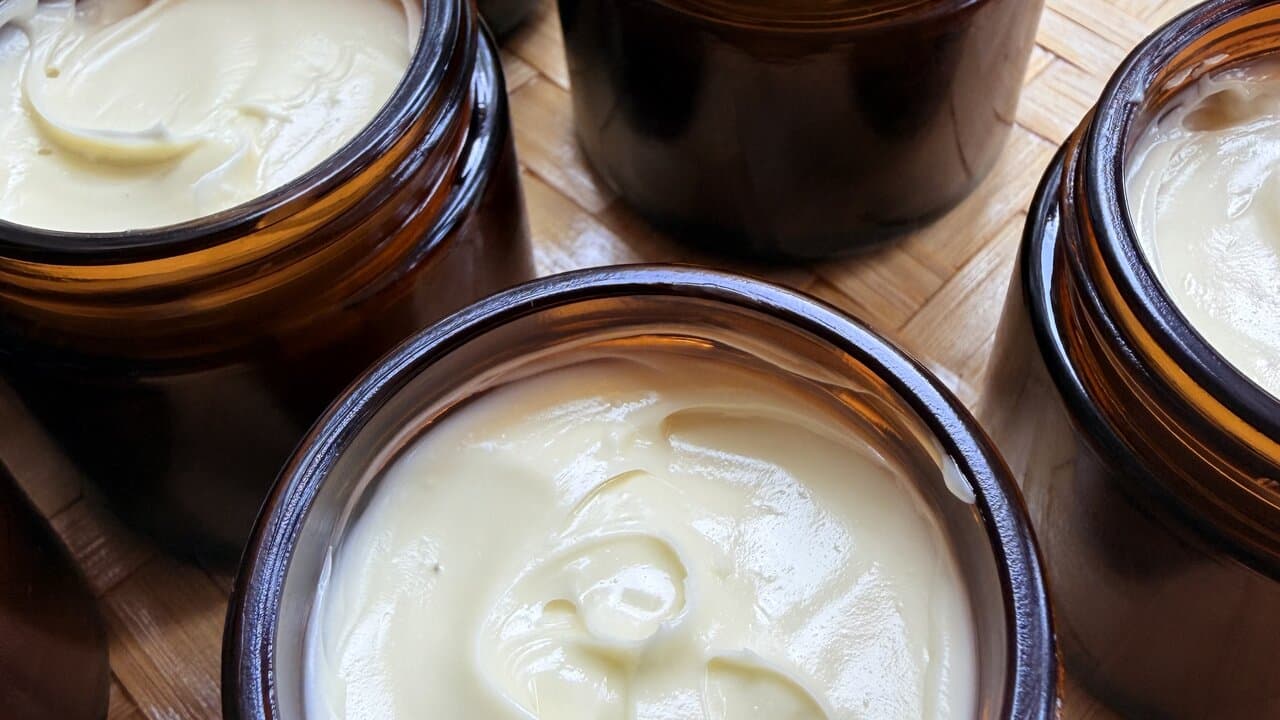
- Mango butter is firmer in the jar and softens at skin temperature. It spreads thin and settles to a smooth, velvety finish that is drier and less greasy than shea or cocoa butter.
- Cocoa butter, for comparison, is the hardest of the three. It is brittle at room temperature and needs warming in the hands.
How They Smell
Unrefined shea has a distinct nutty, earthy, sometimes smoky scent. Some people love it and some find it hard to cover.
Unrefined mango butter has only a faint, sweet scent. It stays out of the way of whatever else is in the formula, which matters to us because we want you to smell the herbs.
Refined versions of both are nearly scentless and whiter, because refining strips out color and aroma along with some of the natural minor compounds.
Refined or Unrefined?
This matters more than which butter you choose.
Unrefined (sometimes called raw or virgin) butter is simply pressed and filtered. It keeps its natural color and scent, and the tocopherols, plant sterols and carotenoids that come with the fat.
Refined butter has been bleached and deodorized so that every batch looks and smells the same. It is easier for a large manufacturer to work with, and it is what you will find in most mass-market products.
Neither is unsafe. But if you are paying for a plant butter, it is fair to ask which kind you are getting. A brand that uses unrefined, organic butter will usually say so.
Mango Butter vs Shea Butter vs Cocoa Butter at a Glance
| Mango butter | Shea butter | Cocoa butter |
|---|
| Comes from | Kernel of the mango seed | Kernel of the shea tree nut | Cocoa bean |
| Firmness | Firm, softens at skin temperature | Soft, scoopable | Hard, brittle |
| Finish on skin | Smooth, drier, less greasy | Rich, cushioning | Rich, glossy |
| Scent, unrefined | Faint and sweet | Nutty, earthy | Chocolate |
| Main fatty acids | Stearic and oleic | Stearic and oleic | Palmitic, stearic and oleic |
| Good fit for | Face crèmes, daytime body butter, hands | Overnight layers, very dry areas | Solid bars and sticks |
What Shea Does Well
Shea deserves its reputation. It is one of the most cushioning butters there is, it is widely available in good unrefined grades, and much of it is gathered and processed by women in West Africa, for whom it is an important source of income. If you have a jar of raw shea that you love, keep using it. Nothing here is a reason to stop.
Why We Chose Mango Butter
I formulated our crèmes and body butter around mango butter for one reason: it is wonderful for skin, and it leaves the kind of finish I want to wear all day. Researchers who studied mango butter as a skin care ingredient described its emolliency, its ability to soften the skin, as excellent.
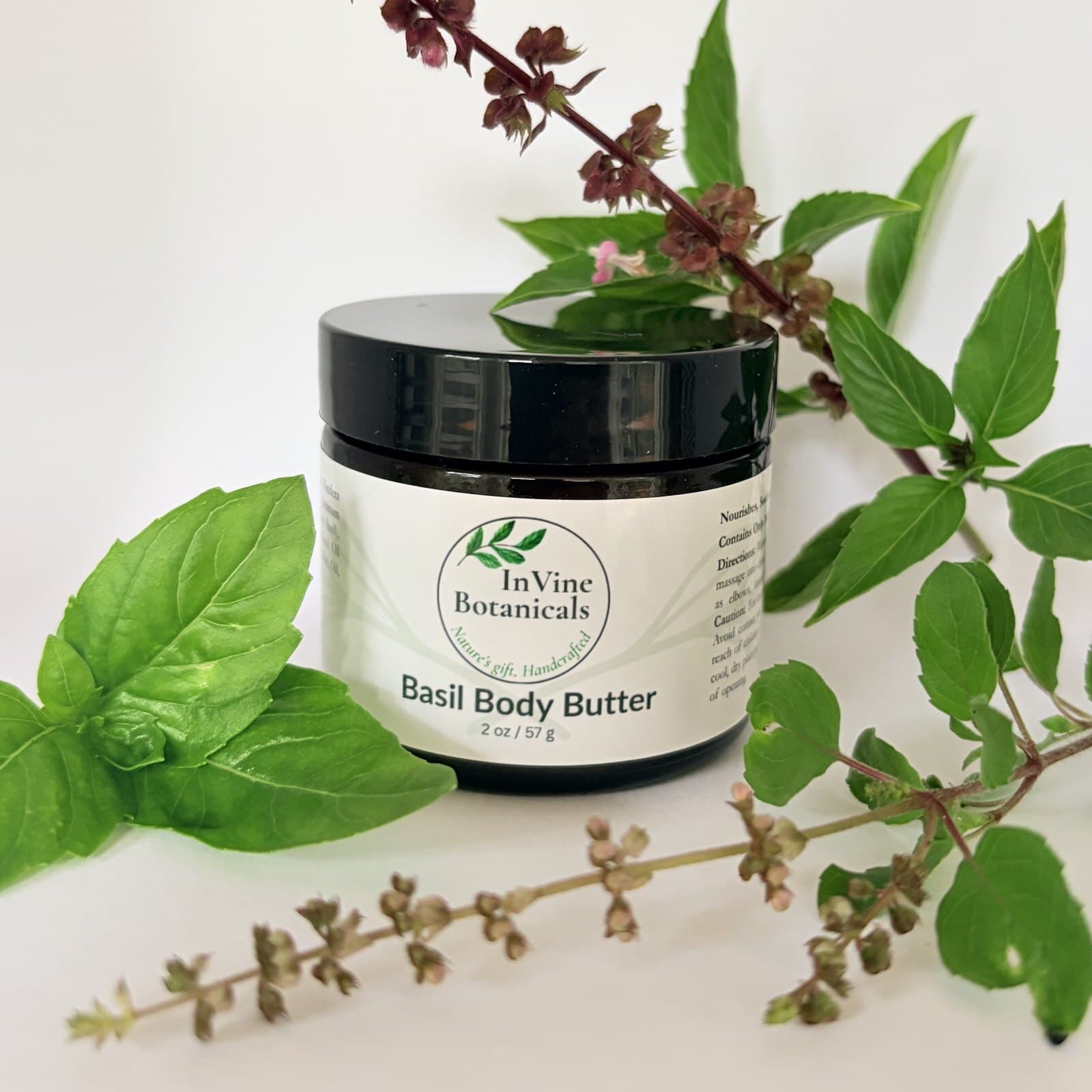
It is in every crème we make. In the Moringa w/ Echinacea Face Cream and the Rose Renewal Crème it gives the formula its body, so the crème holds together without added water. It does the same in the Spearmint Hand Cream, and in the Basil Body Butter it is what makes the butter melt on contact.
The mango butter we use is certified organic, cold-pressed and unrefined. We blend it into oils that have already spent six to eight weeks in a cool, dark room with whole herbs from our Tallahassee garden. You can read more about the butter itself on our mango butter ingredient page and about the method in how it's made.
Grown in our garden, made by hand in small batches.
How to Choose
Choose shea butter if you want the richest feel, you are using it at night or on very dry areas, and you like or do not mind its natural scent.
Choose mango butter if you want a butter for daytime, for your face or hands, or under clothes, and you prefer almost no scent.
Choose cocoa butter if you want a hard butter for a bar or stick, or you love the smell of chocolate.
Or use more than one. They mix well. Many good body butters blend two of them to balance richness and finish.
If You Are Buying a Finished Product
Three quick checks on any label that advertises a butter:
- Where is the butter on the list? Ingredients run from most to least. If water and several other things come first, the butter is a supporting player. We walked through two examples in a natural alternative to Palmer's Cocoa Butter and a natural alternative to Josie Maran's face and body butters.
- Is it unrefined? Look for the words unrefined, raw or virgin.
- Is it organic? For a product that is mostly fat, the quality of that fat is most of what you are buying.
If You Are Making Your Own
Both butters are easy to work with at home. Melt gently, never over direct high heat. If you would like to infuse your own herbs into the oil first, our free whole-herb infusion guide walks through the method step by step.
This article is for general education. InVine Botanicals products are cosmetics and are not intended to diagnose, treat, cure, or prevent any disease.