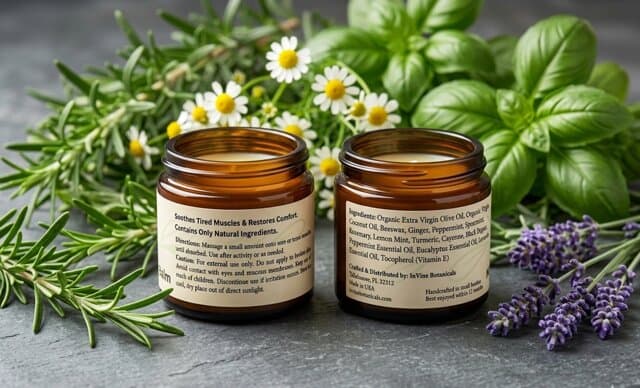
Aromatic chest balms have been part of herbal tradition for centuries. The appeal is straightforward: volatile botanical compounds, released by body heat, create an invigorating sensory experience with every breath. Menthol, the most familiar of these compounds, stimulates cold receptors that create a refreshing cooling sensation, and generations of people have reached for it during stuffy seasons.
The herbs in Breathe Free Balm each bring their own aromatic character to the experience.
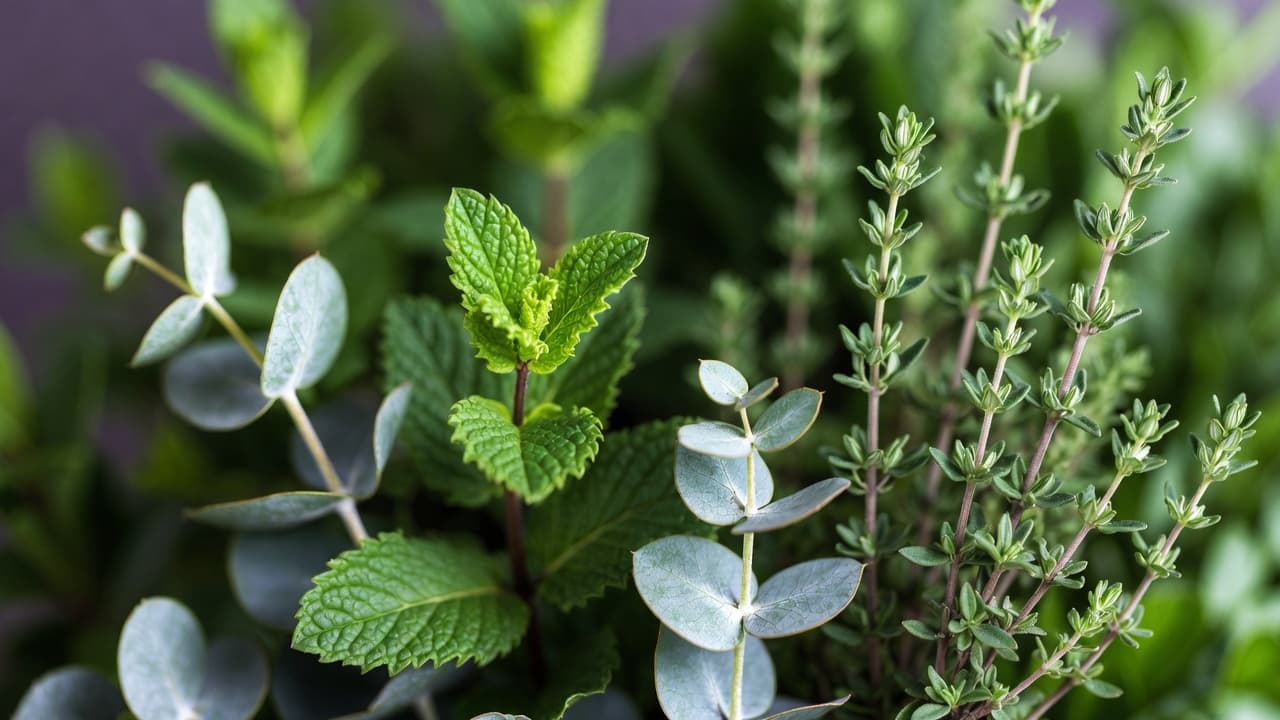
Peppermint is the anchor of any aromatic chest balm formula, and the reason is menthol, but menthol from a whole-herb infusion behaves differently than isolated menthol crystals.
Whole peppermint contains menthol alongside menthone, menthofuran, limonene, and a range of flavonoids. These compounds create a layered sensory experience: menthol stimulates TRPM8 cold receptors (that familiar cooling sensation), while the supporting compounds add depth and complexity to the aromatic profile.
Peppermint has been one of the most valued aromatic herbs in Western herbalism for centuries. Traditionally used in chest preparations and aromatic steam baths, it remains the herb most associated with an invigorating, cooling aromatic experience.
A slow oil infusion captures both the volatile aromatics and the fat-soluble flavonoids, giving peppermint's full profile rather than just its most famous compound.
Eucalyptus (Eucalyptus globulus)
Eucalyptus is the most intensely aromatic herb in the formula. Its primary compound, 1,8-cineole (also called eucalyptol), is one of the most extensively studied botanical aromatic compounds in the world.
Eucalyptus has been a valued aromatic herb across dozens of traditional herbal systems globally, from Aboriginal Australian use of the leaves in steam preparations, to its prominence in European and South American herbal traditions. It remains one of the most recognized botanical scents in the world.
Applied to the chest or temples, eucalyptus essential oil begins vaporizing immediately at skin temperature. The inhaled aromatic compounds create a distinctive, refreshing sensory experience within seconds.
Spearmint shares peppermint's family but has a distinct phytochemical profile. Its dominant compound is carvone rather than menthol, softer and less sharp, which makes spearmint the herb that rounds out peppermint's intensity rather than duplicating it.
Where peppermint is stimulating and clarifying, spearmint is calming and gentle. Research has explored carvone for a variety of properties, and herbalists have long valued spearmint as the softer, more approachable member of the mint family.
In a blended formula, spearmint adds a sweet, rounded aromatic note that balances the sharpness of peppermint and eucalyptus, creating a more complex and pleasant overall scent experience.
Lemon Thyme (Thymus citriodorus)
Thyme has one of the longest documented histories in aromatic herbalism. Medieval European physicians valued it highly; it appeared in monastery herb gardens across the continent and remained a cornerstone of the European herbal tradition for centuries.
Thyme's primary aromatic compounds, thymol and carvacrol, have been extensively studied by researchers, making thyme one of the most well-characterized herbs in the botanical literature. Its warm, herbaceous scent adds a grounding note to any aromatic blend.
Lemon thyme, the variety used in Breathe Free Balm, has a citrus-forward aromatic profile that contributes a bright, uplifting dimension to the formula's overall scent while carrying the same thymol and carvacrol content as standard thyme.
Why Chest Application Creates an Aromatic Experience
It's a reasonable question: how does something on your chest create such a vivid sensory experience?
The answer is inhalation. When a balm containing volatile aromatic compounds is applied to warm skin, those compounds vaporize continuously and are inhaled with each breath. The aromatic experience comes through the nose and airways, creating a refreshing sensation with each inhalation.
This is why the aroma of a well-formulated aromatic balm doesn't fade quickly the way perfume does, the oils are continuously releasing volatile compounds as they interact with body heat. And it's why the quality of those botanical compounds, captured through weeks of whole-herb infusion rather than brief essential oil addition, determines how rich and layered the experience actually is.
When you breathe in a botanical aromatic balm and notice that distinctive refreshing sensation, that's the volatile compounds doing exactly what centuries of herbal tradition said they would.